
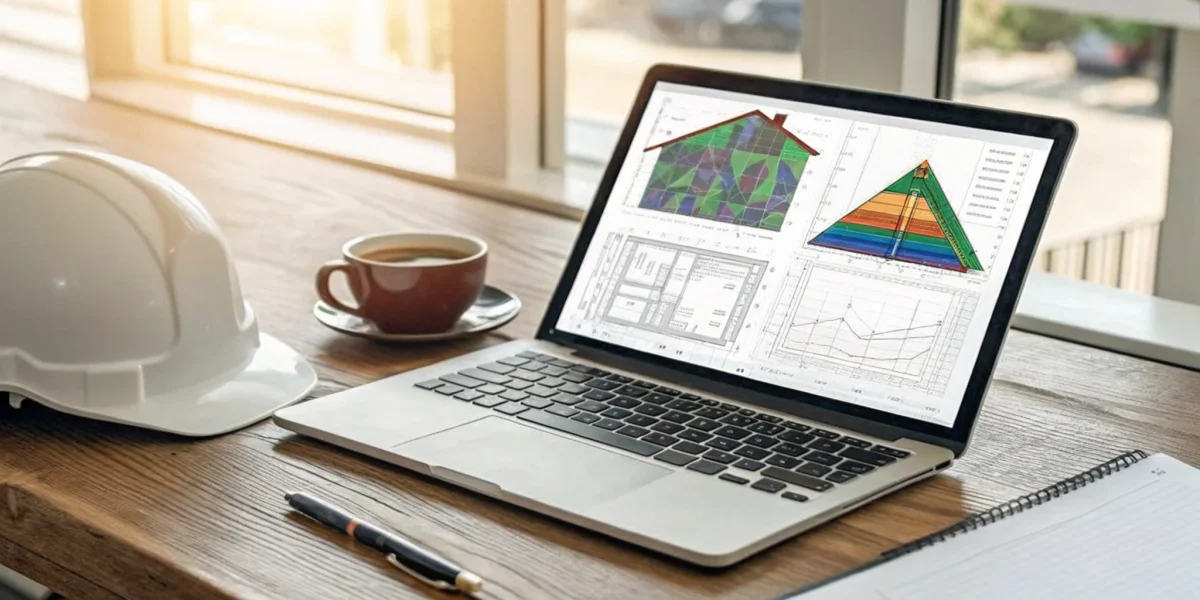
A modern roofing contractor wouldn’t show up to a job site with outdated equipment. Your administrative tools should be no different. Relying on pen-and-paper methods or a patchwork of generic apps is the business equivalent of using a hammer when you need a nail gun—it’s slow, inefficient, and holds you back. Roofing report software is an essential part of the modern roofer’s digital toolkit. It’s built specifically to handle the unique demands of your industry. This guide will explain why this software is no longer a luxury but a necessity for staying competitive, and we’ll help you find the right solution to make your entire operation run more smoothly.
Key Takeaways
- Focus on Features That Streamline Your Workflow: Choose software based on its ability to solve your daily challenges, such as providing guaranteed measurement accuracy, generating professional proposals, and offering full mobile access to manage jobs from anywhere.
- Invest in Tools That Improve Profitability: The right software pays for itself by saving you time on administrative tasks, preventing costly material waste with precise data, and helping you win more bids with a polished, credible presentation.
- Make Your Final Decision with a Hands-On Trial: Don’t commit without taking a test drive. Use free trials to get your team’s feedback and read current reviews to confirm the software performs well in real-world scenarios.
What Is Roofing Report Software and Why Do You Need It?
If you’re still juggling spreadsheets, paper measurement sheets, and a separate app for invoicing, you know how much time gets lost in the shuffle. Roofing report software is designed to pull all those scattered pieces of your business into one streamlined system. It acts as a digital command center to help you manage everything from initial client contact to final payment, making your entire operation more efficient. It’s about working smarter, not harder, so you can focus on what you do best: delivering quality roofing work.
What It Does and Why It Exists
At its core, roofing report software exists to help you run your business more effectively. It’s a specialized tool for roofing contractors that combines customer relationship management (CRM), project tracking, estimating, and proposal generation. The main goal is to help you work faster, gather more accurate information, and win more jobs. Instead of relying on manual methods prone to error, this software gives you a repeatable, organized process for every project. It handles the administrative heavy lifting, so you can spend less time on paperwork and more time on site.
Key Benefits for Your Business
Adopting the right software can change your day-to-day operations. One of the biggest advantages is consolidating all your essential tools into one place, which saves a tremendous amount of time. Imagine creating an estimate, sending a professional proposal, and ordering materials without switching between apps. This efficiency also translates into cost savings. Accurate measurements reduce material waste, and a streamlined workflow means you can handle more jobs. Some tools, like the NRCIA’s inspection software, even help lower your risks, which can lead to better insurance rates.
Common Problems the Right Software Solves
Every roofing contractor has dealt with headaches like misplacing client information or making a costly measurement error. Roofing report software is designed to solve these exact problems. It helps you keep a clear record of every job from the first call to the final invoice, making it easier to manage your projects and make informed decisions. Many platforms also offer remote measurement tools, which save you time and fuel while keeping your team safer on the ground. By standardizing your process, you can avoid expensive mistakes and present a more polished, reliable image to your clients.
Must-Have Features in Roofing Report Software
When you’re ready to invest in roofing report software, it’s easy to get overwhelmed by the options. Every platform promises to make your life easier, but the truth is, not all features are created equal. The right software should feel like a natural extension of your workflow, saving you time on administrative tasks so you can focus on what you do best—inspecting and repairing roofs. Think of it as your digital toolkit. To make sure you’re choosing a tool that truly works for you, let’s break down the essential, non-negotiable features that should be on your checklist. These are the core functions that separate the must-haves from the nice-to-haves.
Accurate Measurement and Estimation Tools
Guesswork has no place in roofing. Your reputation and your bottom line depend on precision, which is why accurate measurement and estimation tools are at the top of the list. Modern software uses high-resolution aerial imagery and AI to deliver incredibly precise measurements for any roof type, often with a guaranteed accuracy rate of 99% or higher. This eliminates the need for manual measurements, which are not only time-consuming but also carry a higher risk of error and safety concerns. With the right tool, you can generate detailed reports for roofs and gutters in minutes. The NRCIA offers specialized inspection software that streamlines this process, helping you create reliable estimates that build client trust.
Professional Reports and Proposals
How you present your findings is just as important as the findings themselves. A sloppy, hard-to-read report can make a potential client question your professionalism. Look for software that allows you to create clean, branded, and easy-to-understand reports and proposals. Top-tier platforms automatically convert your measurement data into polished documents, complete with your company logo and clear pricing. Many even include features for online signing, which helps you close deals faster. A professional proposal shows you’re serious about your work and gives clients the confidence to choose you. It’s the final touch that can turn a bid into a signed contract, much like how our LeakFREE® roof certifications provide the ultimate professional assurance.
On-the-Go Access and CRM Capabilities
As a roofing professional, your office is often your truck. You need software that can keep up. Mobile access isn’t just a perk; it’s a necessity. The best roofing software offers a robust mobile app that lets you manage your entire workflow from the field—from initial measurements to final invoicing. Beyond simple access, look for integrated Customer Relationship Management (CRM) capabilities. This allows you to manage your entire sales pipeline in one place, tracking leads and communicating with customers without juggling multiple apps. An all-in-one system keeps your business organized and ensures a smooth, professional experience for your clients from start to finish. The right NRCIA membership can also provide resources that complement these business management tools.
Integrations and Automation
The most powerful software doesn’t work in a silo. It should connect seamlessly with the other tools you use to run your business. Look for platforms that offer integrations with accounting software, material suppliers, and payment processors. This connectivity automates tedious tasks like invoicing and ordering materials, saving you valuable time and reducing the chance of manual data entry errors. Automation is another key time-saver. Features like automated follow-up emails for proposals or payment reminders can keep your projects moving forward without constant oversight. By handling the repetitive tasks, the right software frees you up to focus on growing your business. Proper training and education will ensure you can get the most out of these powerful features.
Understanding Software Pricing Models
The best software in the world won’t help your business if it breaks the bank. The price tag on roofing software can range from free to thousands of dollars a year, and the way you pay can vary just as much. Understanding the different pricing models is the first step to finding a tool that fits your budget and your workflow without any surprise invoices. Let’s break down the common structures you’ll encounter.
Subscription vs. Pay-Per-Report
Most software options fall into two camps: a recurring subscription or a pay-per-report model. A subscription involves a flat monthly or annual fee for access to the software’s features. This is a great fit for established businesses with a steady stream of projects, as it creates a predictable expense. On the other hand, a pay-per-report model lets you pay for exactly what you use. This is perfect if you’re just starting out or if your workload fluctuates seasonally. Some companies even offer both, giving you the flexibility to start with a pay-as-you-go plan and switch to a subscription as your business grows.
Free Trials and Guarantees
You wouldn’t buy a new truck without a test drive, and you shouldn’t commit to software without trying it first. Look for providers that offer a free trial. This is your chance to see if the interface is intuitive, if the reports meet your standards, and if it genuinely saves you time. Many companies offer a trial period or a few free reports to get you started. Beyond a trial, check for guarantees. A company that offers an accuracy guarantee on its measurements is showing confidence in its product. This gives you peace of mind that you’re building estimates and proposals on a solid foundation of reliable data.
Watching Out for Hidden Costs
The monthly subscription fee is rarely the full story. Before you sign up, it’s crucial to read the fine print and ask about any additional costs. For example, if the software includes a payment processing feature, what are the transaction fees for credit cards or bank transfers? Some platforms charge extra for adding more users, integrating with other software, or accessing premium customer support. Understanding the total cost of ownership will help you budget accurately and ensure the software’s price is as transparent as its reports. Don’t let unexpected fees eat into the ROI you’re trying to create.
Discounts for Volume and Larger Teams
As your business expands, your software should be able to scale with you—and your pricing should reflect that. Many software providers offer discounts for businesses that need access for larger teams or generate a high volume of reports each month. A subscription that seems expensive for a single user might become incredibly cost-effective when spread across a team of five. When you’re comparing options, think about your one-year and five-year goals. Choosing a software partner that supports your growth with an affordable, scalable pricing structure is a smart move for any ambitious roofing contractor.
A Look at Top Roofing Report Software
Choosing the right software can feel overwhelming with so many options on the market. The best tool for your business really depends on your specific needs. Are you a solo inspector focused on delivering meticulous reports, or are you running a large contracting business that needs to manage everything from lead generation to final payment? To help you decide, let’s walk through some of the top contenders in the roofing software space. Each one has a different strength, whether it’s detailed inspection capabilities, all-in-one business management, or quick and easy measurements. By comparing them side-by-side, you can get a clearer picture of which platform aligns with your workflow and business goals.
NRCIA Inspection Software
If your primary focus is on conducting thorough, professional inspections, the NRCIA Inspection Software is built just for you. Designed specifically for roofing professionals, this tool excels at creating comprehensive reports that clearly communicate your findings. It allows you to easily integrate photos, detailed notes, and specific recommendations, which helps build trust and understanding with your clients. Unlike broader business management platforms, this software is specialized for the inspection process itself, ensuring you can document every detail with precision. It’s the ideal choice for inspectors who want to deliver reports that reflect the highest industry standards and provide undeniable value to homeowners, real estate agents, and insurers.
Roofr
For roofing businesses looking for a single platform to handle their entire operation, Roofr is a strong all-in-one solution. It’s designed to manage the whole customer lifecycle, from initial contact to final invoice. According to Roofr, it brings together essential tools like a customer management system (CRM), instant estimates, roof measurements, professional proposals, and even payment processing into one place. This integrated approach can streamline your workflow significantly, reducing the need to jump between different applications. If you want to manage sales, operations, and customer relations without juggling multiple subscriptions, Roofr offers a comprehensive system to keep your business organized and moving forward.
RoofSnap
RoofSnap is tailored for roofing contractors, particularly small teams and individual operators who need to work efficiently. The software centers on three core functions: getting accurate roof measurements, creating fast estimates, and collecting payments. Its main goal is to help you work faster and win more jobs without getting bogged down by overly complex features. If you’re a contractor who spends a lot of time in the field, RoofSnap’s focus on the essentials of measuring and quoting can be a major advantage. It’s a practical tool for professionals who need reliable, on-the-go capabilities to close deals and keep projects on track.
RoofScope
RoofScope stands out with its straightforward, service-based approach to roof measurements and estimates. The process is simple: you provide an address or upload a blueprint, and RoofScope delivers the reports you need. This is perfect for professionals who want to outsource the measurement process for speed and accuracy. As RoofScope explains, you can get a detailed roof measurement report in just a few easy steps. This makes it a great option when you need a quick turnaround on a complex roof or simply want to free up your time to focus on other aspects of the job. It’s less of a business management tool and more of a dedicated reporting service.
How to Use Reviews to Find the Best Software
Choosing the right software is a big decision, and you don’t have to make it in the dark. Real-world reviews from other roofing contractors are one of the most powerful tools you have. They give you an unfiltered look at a platform’s strengths and weaknesses, helping you see past the marketing hype. By learning how to read between the lines of user feedback, you can identify the software that will truly support your business goals and avoid the ones that might cause headaches down the road.
What Contractors Value Most
When you start digging into reviews, you’ll notice a few key themes pop up again and again. Contractors consistently praise software that streamlines their entire workflow. They’re looking for all-in-one solutions that can handle everything from generating leads to processing the final payment. For example, users often highlight how platforms like Roofr help them manage various aspects of their business from a single dashboard.
Speed and accuracy are also non-negotiable. The ability to create fast, precise measurements and estimates can be the deciding factor in winning a bid. That’s why you’ll see contractors recommending tools like RoofSnap, which is built specifically to deliver quick and reliable results. Ultimately, contractors value software that saves them time, reduces manual effort, and helps them operate more productively.
Common Complaints to Watch For
While reading glowing reviews is great, paying attention to what’s not being said—or what is being complained about—is just as important. A common frustration for contractors is software that produces inaccurate measurements. This can lead to misquoted jobs, wasted materials, and lost profits. To avoid this, look for platforms that stand by their accuracy. For instance, RoofScope boasts a guarantee of at least 99% accuracy in their reports, a promise that addresses this major industry pain point. Another red flag is a clunky or confusing interface. If reviews mention a steep learning curve or difficult-to-find features, consider how much time you’re willing to invest in training. The best software should feel intuitive and make your job easier, not add another layer of complexity to your day.
Checking Ratings for Support and Accuracy
Overall star ratings give you a quick snapshot of user satisfaction, but the real insights are in the details. A high rating, like Roofr’s 4.7 out of 5 stars, is a strong signal, but look for comments that explain why users are so satisfied. Reviews that mention excellent customer support are particularly valuable. When you’re on a job site and run into a technical issue, you need to know that a responsive and helpful support team has your back. Pay close attention to feedback on the software’s core functions. Do users find the measurements to be consistently accurate? Is the platform user-friendly and reliable? Positive comments about a tool being easy to use while still delivering fast, precise measurements—as many users say about RoofSnap—indicate a well-designed product. These details confirm that the software not only looks good on paper but also performs well in the field.
Technical Details to Consider Before You Buy
Once you’ve narrowed down your options based on features and price, it’s time to look at the practical details that determine how a new tool will actually fit into your daily operations. The right software should feel like a natural extension of your business, not a clunky add-on that creates more problems than it solves. Thinking through compatibility, security, and support ahead of time will save you major headaches down the road and ensure you pick a solution that your whole team can get behind.
Device and System Compatibility
Before you commit to any software, confirm that it works with the devices and operating systems your team uses every day. If your crew is equipped with iPads for field inspections, an Android-only app won’t do you any good. Check if the software is a native mobile app (iOS or Android), a web-based platform accessible from any browser, or both. Some solutions are designed with a specific user in mind, which can be a good thing if it aligns with your business. The key is to find a tool, like the NRCIA’s own inspection software, that integrates smoothly into your existing workflow without forcing you to buy all new hardware.
Data Security and Turnaround Times
You’re handling sensitive client information, so data security is non-negotiable. Ask potential providers about their security measures, data encryption, and backup protocols. At the same time, speed is essential in this business. A client waiting on a report is a client who might go elsewhere. Look for providers that guarantee accuracy—some promise 99% or higher—and offer quick turnaround times. Getting a detailed measurement report back in a few hours instead of a few days can be the deciding factor in winning a bid. This combination of speed and reliability is what builds trust and helps you deliver a consistently professional experience.
Getting Started: Training and Support
The most powerful software in the world is useless if your team finds it too complicated to use. A smooth onboarding process is a must. Does the company offer personalized training, a dedicated account manager, or a library of video tutorials? Find out what their customer support is like before you have a problem. Check reviews to see what other contractors say about response times and helpfulness. Investing in a platform that also invests in your success through solid training and education will help your team adopt the new tool quickly and use it to its full potential.
Which Features Give You the Best Return on Investment?
When you’re looking at software, it’s easy to focus on the price tag. But the real value is what it does for your business every day. A great return on investment means the software pays for itself by saving you time, preventing costly mistakes, and helping you land more jobs. Think of it as the most efficient assistant you’ve ever had. Let’s break down the key areas where roofing report software delivers the most bang for your buck. These features actively make your business more profitable and easier to run.
Automation That Saves You Time
How much time do you spend juggling apps for measurements, estimates, and proposals? Every minute on admin is a minute you’re not on a roof. The best software brings all your essential tools into one place to streamline your workflow. Instead of manually entering data multiple times, you let the software handle it. This automation cuts down on busywork, freeing you to focus on what you do best. This efficiency saves you hours and money, and can even help lower your insurance costs by reducing risks from manual errors.
Tools That Improve Accuracy
In roofing, accuracy is everything. A small miscalculation can mean ordering the wrong amount of materials, eating into your profits. Look for software that guarantees high precision—some tools promise at least 99% accuracy. These platforms provide detailed reports for everything from complex roof facets to gutters, ensuring your estimates are built on solid data. When you can confidently present precise measurements, it builds immediate trust and shows you’re a professional. This commitment to precision is a core part of any professional roof inspector training.
How a Polished Look Wins Bids
Your proposal is often a client’s first impression of your work. A sloppy document won’t inspire confidence. The right software helps you create professional, custom proposals that feature your company’s logo and branding. These polished documents make your business look credible and organized, setting you apart from the competition. Many platforms also include features like easy online signing, which helps you close deals faster. When a client sees a sharp, detailed proposal, they see a preview of the quality and professionalism you’ll bring to the project.
How to Make the Final Choice
You’ve reviewed the features, considered the pricing, and read the reviews. Now it’s time to make a decision. Choosing the right roofing report software is a significant investment for your business, so it’s worth taking a few final steps to ensure you’re picking the perfect fit. A methodical approach here will save you headaches down the road and set your team up for success from day one. Let’s walk through a simple, three-step process to help you confidently make your final choice.
Create a Comparison Checklist
Start by making a simple checklist of your must-have features versus your nice-to-haves. Every business is different, so what works for one contractor might not be right for you. For example, some platforms like Roofr are built as all-in-one solutions to manage your entire workflow, from lead to payment. Others are designed to help smaller teams create fast and accurate measurements. Think about your daily operations. Do you need robust CRM capabilities? Are text-based report orders a game-changer for your crew? Compare your top contenders, including the NRCIA’s own inspection software, side-by-side against your list to see which one truly aligns with your business goals.
Test Drive the Software with Your Team
You wouldn’t buy a truck without a test drive, and the same goes for software. Before you sign any contracts, get your team’s hands on the tools you’re considering. Most companies offer free trials or demos—take full advantage of them. Your crew members are the ones who will use this software every day, so their feedback is invaluable. Is it intuitive? Does it work well on their devices in the field? A platform that looks great in a sales presentation might be clunky in practice. Make sure to explore all your options, including the specialized NRCIA inspection software, to find a system that your team will actually want to use.
Plan Your Rollout and Measure Success
Once you’ve made your choice, the final step is to plan a smooth transition. Map out how you’ll introduce the new software to your team, including any necessary training and data migration. A well-planned rollout prevents disruptions to your business. At the same time, define what success looks like for you. Are you aiming to cut down report creation time by 25%? Do you want to increase your bid win rate by 10%? Set clear, measurable goals. This will help you gauge the software’s return on investment and ensure it’s delivering real value. Investing in your team’s skills through professional training and education can also help you get the most out of your new tool.
Related Articles
- 7 Best Roof Inspection Report Apps for 2025
- Top 6 Roof Inspection Checklist Apps to Download
- Top 6 Commercial Roof Inspection Apps of 2026
- The Ultimate Roof Inspection Report Template Guide
- Free Roof Report Template: A Step-by-Step Guide
Frequently Asked Questions
I’m a solo inspector, not a large contracting company. Is this kind of software still worth it for me? Absolutely. In fact, for a one-person operation, efficiency is everything. This software acts like a virtual assistant, handling the administrative tasks that can eat up your day. It helps you create professional reports faster, keep client information organized, and present a polished image that allows you to compete with larger businesses. Think of it less as a team management tool and more as a way to streamline your personal workflow so you can focus on the inspections themselves.
What’s the biggest difference between an all-in-one platform and a specialized tool like the NRCIA’s software? The main difference comes down to focus. All-in-one platforms are designed to run your entire business, combining sales, project management, and billing into a single system. They’re great if you want one tool to handle everything. Specialized software, like the NRCIA’s, is built to do one thing exceptionally well—in this case, creating detailed, high-standard inspection reports. The right choice depends on your biggest need: are you looking to manage your whole business, or do you want to perfect a specific part of your service?
How much technical skill do I need to use this software effectively? You don’t need to be a tech expert. Most modern roofing software is designed with the user in mind, featuring intuitive interfaces that are straightforward to learn. The best way to gauge this is by taking advantage of free trials. Spend some time clicking around the platform to see if it feels natural to you. A good provider will also offer solid customer support and training resources to help you get comfortable and make the most of your investment.
How does using professional software actually help me win more bids? It helps you win on three fronts: speed, accuracy, and professionalism. You can generate precise measurements and estimates in minutes, allowing you to get a quote to a potential client before your competitors. The proposals you create look clean and credible, which builds immediate trust. This combination shows clients that you are organized, reliable, and serious about your work, making it much easier for them to choose you for the job.
What’s the first step I should take if I’m feeling overwhelmed by all the options? Before you even look at another brand name, take a step back and grab a piece of paper. Write down the top three things that frustrate you or slow you down in your daily work. Is it creating estimates? Keeping track of client communication? Wasting time on manual measurements? Once you have your list, use it as your guide. Look for the software that directly solves those specific problems first. This approach cuts through the noise and helps you focus on the features that will make a real difference for your business.
