
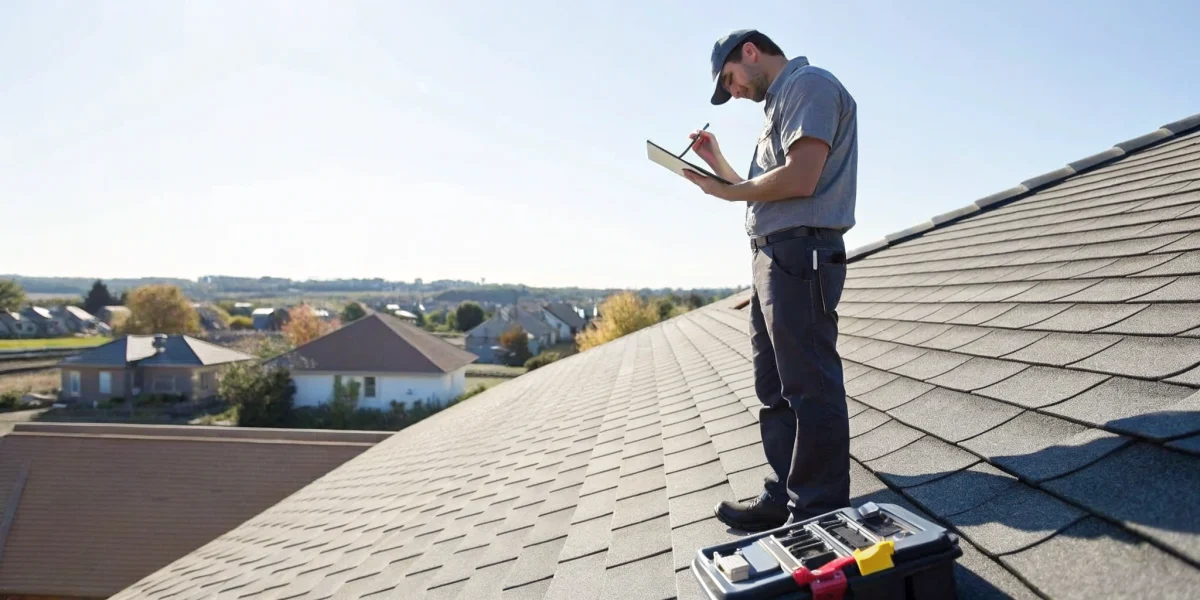
If you’re selling your home, the last thing you want is a surprise from the buyer’s inspection report that puts the whole deal at risk. Taking a proactive approach by hiring your own roof inspector for a real estate transaction before you list is a smart, strategic move. It allows you to identify and address any potential issues on your own timeline and budget. A pre-listing inspection gives you the power to fix problems beforehand or accurately price your home. It also provides you with professional documentation, like a LeakFREE® certification, to build buyer confidence and streamline the entire selling process from day one.
Key Takeaways
- Use the inspection report as your negotiation guide: A professional report with photos and repair estimates gives you objective facts, empowering you to discuss price adjustments or repairs with confidence and clarity.
- Vet your inspector to ensure a reliable assessment: Protect yourself by hiring a professional with nationally recognized certifications, proper insurance, and direct experience with your specific type of roof. This is the best way to guarantee an accurate evaluation.
- View the inspection as long-term financial protection: The upfront cost saves you from thousands in future repairs, helps you secure financing and insurance, and can lead to a LeakFREE® warranty that protects your investment long after the sale is final.
What Does a Roof Inspector Do During a Home Sale?
When you’re buying or selling a home, the roof is one of the most critical—and expensive—components to consider. A general home inspector will give it a quick look, but a specialized roof inspector provides a much deeper analysis. Their job is to act as an impartial expert, giving both the buyer and seller a clear, honest picture of the roof’s health. This detailed evaluation goes far beyond what you can see from the street, identifying potential issues that could turn into costly surprises down the road. A professional roof inspection is a key step in ensuring a smooth and fair real estate transaction for everyone involved.
Assess the Roof’s Overall Condition
The primary role of a roof inspector is to conduct a thorough examination of the entire roofing system. This isn’t just about looking for a few missing shingles. A certified inspector gets up on the roof to check for signs of wear, damage to materials, and the quality of the installation. They also inspect the interior, looking for evidence of leaks, water damage, or poor ventilation in the attic. The goal is to provide a professional, written assessment of the roof’s current condition and its expected lifespan. This expert evaluation gives you a clear understanding of how much life is left in the roof and what to expect in the coming years.
Provide a Detailed Report with Photos
After the physical inspection is complete, you won’t just get a verbal summary. A professional inspector provides a comprehensive written report that documents their findings in detail. This report typically includes high-quality photos of any problem areas, giving you a visual reference for what needs attention. You’ll also receive a detailed drawing of the roof and a clear explanation of its condition. This document is incredibly valuable during negotiations, as it provides objective, third-party evidence to support any requests for repairs or price adjustments. The use of specialized inspection software ensures these reports are consistent, clear, and easy to understand.
Estimate Repair Costs
Identifying problems is only half the battle. A good inspection report will also include cost estimates for any recommended repairs or replacements. This is a crucial piece of the puzzle for both buyers and sellers. For a buyer, it clarifies the potential financial commitment they might be taking on. For a seller, it provides a realistic baseline for negotiations. Having these estimates laid out in the report removes the guesswork and helps both parties make informed decisions based on concrete numbers, preventing the deal from getting stalled by unexpected financial disputes.
Offer LeakFREE® Certifications and Warranties
Beyond just identifying problems, many inspectors can offer a roof certification. This is an official document that verifies the condition of the roof and confirms it has a certain amount of life left. The NRCIA takes this a step further by providing exclusive LeakFREE® roof certifications, which come with a warranty. This means if any leaks occur during the warranty period, the repairs are covered. For sellers, this is a powerful marketing tool that adds value to their home. For buyers, it provides incredible peace of mind, knowing their new roof is protected against leaks from day one.
How to Find a Qualified Roof Inspector
Finding the right roof inspector can feel like a big task, but it’s one of the most important steps in protecting your investment during a real estate transaction. A thorough inspection gives you a clear picture of the roof’s health and saves you from unexpected, costly repairs down the road. To make sure you’re hiring a true professional, focus on a few key areas: their credentials, experience, and reputation. Taking the time to vet your inspector properly will give you the confidence and peace of mind you need to move forward.
Check for Certifications and Credentials
When you’re looking for a roof inspector, certifications are non-negotiable. A certification isn’t just a piece of paper; it’s proof that the inspector has met specific training and knowledge requirements and is committed to a high standard of practice. Organizations like the NRCIA offer rigorous training programs that cover everything from technical inspection skills to professional ethics. An inspector with a nationally recognized certification has demonstrated their expertise and dedication to their craft. Always ask to see an inspector’s credentials—it’s the first step in verifying they have what it takes to give your roof an accurate and reliable assessment.
Verify Insurance and Licensing
Before you let anyone on the roof, confirm they have the proper insurance and licensing. This is about protecting yourself. A qualified inspector should carry both general liability insurance and workers’ compensation. This ensures that if any accidents or property damage occur during the inspection, you won’t be held financially responsible. Licensing requirements can vary by state, so check what’s needed in your area. A professional inspector will have no problem providing you with their license and insurance information. This is a standard practice for any reputable business and a clear sign that you’re working with someone who takes their responsibilities seriously.
Confirm Their Experience with Your Roof Type
Not all roofs are the same, and your inspector shouldn’t be a one-size-fits-all professional. Whether you have asphalt shingles, clay tiles, a metal roof, or a flat commercial system, you need someone who understands its specific challenges. Ask potential inspectors about their experience with your particular roof type. A good rule of thumb is to look for someone with at least five years of hands-on experience. If your property has unique features, like extensive flashing or specialized drainage systems, ask them to detail their experience with similar structures. This ensures they know exactly what to look for and can provide a truly informed assessment.
Read Reviews and Ask for References
A great way to gauge an inspector’s reliability is to see what past clients have to say. Start by looking up online reviews on sites like Google or the Better Business Bureau. While a few negative comments aren’t always a deal-breaker, look for consistent patterns in feedback. Don’t stop there—ask the inspector for a few references you can contact directly. Speaking with a past client can give you valuable insight into the inspector’s professionalism, communication style, and the thoroughness of their reports. A confident inspector with a history of satisfied customers, like the professionals NRCIA serves, will be happy to connect you with them.
How Much Does a Roof Inspection Cost?
One of the first questions on everyone’s mind during a real estate transaction is, “How much will this cost?” While a roof inspection is an added expense, it’s one of the most important investments you can make, whether you’re buying or selling. The price isn’t one-size-fits-all and depends on several key factors. Understanding these variables will help you budget accordingly and see the clear value in getting a professional assessment of such a critical part of the property. Think of it less as a cost and more as a tool for protecting your investment and ensuring a smooth transaction for everyone involved.
Understand the Average Price Range
The cost of a roof inspection varies quite a bit depending on your location and the specifics of the roof. For a standard residential property, you can generally expect to pay between $150 and $400. This fee typically covers a thorough visual examination of the roof structure, materials, and drainage systems. Keep in mind that this is a general ballpark figure. A larger, more complex roof or a home in a high-cost-of-living area might command a higher price. The best approach is to get quotes from a few certified inspectors in your area to find a fair price for the services you need.
Know What Factors Affect the Cost
Several elements can influence the final price of a roof inspection. The size and pitch of the roof are major factors—a larger or steeper roof takes more time and effort to inspect safely. The roofing material also plays a role; materials like slate or tile may require more specialized knowledge than standard asphalt shingles. The inspector’s process matters, too. An inspection that uses advanced tools like drones or requires an exceptionally detailed written report may cost more. The type of inspection software an inspector uses can also impact the quality and detail of the final report you receive, giving you a clearer picture of the roof’s condition.
Ask About Fees for Certifications
A roof inspection and a roof certification are not the same thing, and it’s important to know the difference. An inspection assesses the roof’s current condition, while a certification is an official document that verifies its condition and estimates its remaining lifespan. This is often required by lenders or insurance companies during a real estate transaction. A certification usually comes with an additional fee because it represents a higher level of assurance. For ultimate peace of mind, you can get a LeakFREE® roof certification, which includes a warranty against leaks for a set period, offering tangible protection for the new homeowner and added confidence for the seller.
Weigh the Cost vs. Future Repairs
Spending a few hundred dollars on a roof inspection might seem like just another transaction fee, but it can save you thousands in the long run. An expert inspector can identify minor issues, like a few loose shingles or failing flashing, before they turn into major problems like structural damage or widespread leaks. For a buyer, this information is crucial for negotiating repairs or the sale price. For a seller, it provides an opportunity to address issues proactively and present the home with confidence. Paying for an inspection is a smart, preventative measure that protects against costly surprise repairs down the road.
Common Roof Problems That Can Derail a Sale
A roof inspection report can feel like a final exam for your home—and you definitely don’t want to fail. Certain roofing issues are notorious for scaring off potential buyers, stalling negotiations, or even causing lenders to pull financing. Understanding these common red flags ahead of time can help you prepare for an inspection and keep your real estate transaction on track. From hidden leaks to structural sagging, these are the problems that a professional inspector is trained to find, and that you can’t afford to ignore.
Structural Damage
Structural issues are one of the most serious problems a roof can have. This isn’t about a few loose shingles; we’re talking about problems with the underlying framework of the roof itself. An inspector will look for signs like a sagging roofline, cracked or leaning rafters in the attic, and widespread soft spots on the roof deck. These issues often point to major, expensive repairs and can be an immediate deal-breaker for buyers. A professional inspection provides a written assessment of the roof’s current condition and its expected lifespan, giving everyone involved a clear picture of its structural integrity. A LeakFREE® roof certification attests that the roof is in good shape, providing crucial reassurance when structural concerns arise.
Signs of Water Damage and Leaks
Water is a home’s worst enemy, and any sign of it getting through the roof is a major red flag. Inspectors are trained to be detectives, looking for clues like water stains on ceilings and walls, damp insulation in the attic, and peeling paint near the roofline. Even subtle signs of moisture can indicate a persistent leak that has gone unnoticed for years. Because water-related problems can lead to mold, rot, and structural decay, they are a top concern for buyers and their lenders. A thorough inspection is essential for uncovering these hidden issues before they can jeopardize a sale, protecting all parties in the transaction.
Damaged Shingles and Flashing
While a few damaged shingles might not seem like a big deal, they can be the first sign of a failing roof. An inspector will carefully examine the roof covering for missing, cracked, curling, or bald shingles that have lost their protective granules. They’ll also pay close attention to the flashing—the metal strips that seal the joints around chimneys, vents, and skylights. If the flashing is rusted, loose, or improperly installed, it creates a direct path for water to enter your home. Documenting these vulnerabilities is a key part of the inspection process, as even small defects can lead to significant water damage over time.
Poor Ventilation and Code Violations
A healthy roof needs to breathe. Poor attic ventilation traps heat and moisture, which can cook your shingles from below in the summer and lead to damaging ice dams in the winter. An inspector will check for proper airflow by examining soffit, ridge, and gable vents. Inadequate ventilation can drastically shorten your roof’s lifespan and even void the manufacturer’s warranty. Furthermore, an inspector will identify any work that doesn’t meet local building codes, such as improper fastening or layering of shingles. These violations can create serious liability issues and must be corrected, making the expertise of a certified inspector who understands specialized compliance inspections invaluable.
Mold and Mildew Growth
Where there’s persistent moisture, mold and mildew are sure to follow. An inspector will look for visible growth on the roof’s surface, often appearing as dark streaks, as well as in the attic on the underside of the roof deck and insulation. Mold is a huge concern for buyers due to potential health risks and the high cost of remediation. Its presence almost always indicates an underlying moisture problem, whether from a leak or poor ventilation. Finding mold during an inspection can bring negotiations to a halt. This is why getting a clean bill of health from an inspector is so important for buyer confidence and a smooth closing process.
How a Roof Inspection Protects Your Investment
A roof inspection is more than just a box to check during a real estate transaction; it’s a critical step that protects your financial investment and provides peace of mind. For buyers, it uncovers the true condition of the roof, preventing costly surprises down the road. For sellers, it builds trust and can lead to a faster, smoother sale. Think of it as a health check-up for one of the most important parts of a home. A thorough inspection from a certified professional gives everyone involved a clear, unbiased understanding of the roof’s current state and future needs.
Avoid Surprise Repair Bills
No one wants to move into a new home only to face a five-figure roof replacement a few months later. A professional roof inspection is a small upfront cost that can save you a fortune by identifying minor issues before they become major catastrophes. An inspector can spot subtle signs of wear, potential leak spots, or ventilation problems that an untrained eye would miss. Catching these problems early allows them to be addressed during the transaction, preventing them from escalating into expensive, emergency repairs. This proactive approach ensures you know exactly what you’re getting into and protects your budget from unexpected hits.
Gain Buyer Confidence and Secure Financing
For a buyer, a home is a massive investment, and uncertainty about the roof can create serious hesitation. A LeakFREE® roof certification acts as an official verification of the roof’s condition and expected lifespan, giving buyers the confidence to move forward. This documentation is often essential for securing financing, as many lenders, especially for FHA or VA loans, require proof that the roof is in good shape. By providing a clear, professional assessment from a certified inspector, you remove a major point of concern, making the property more attractive and helping the transaction proceed without a hitch.
Strengthen Your Negotiation Position
Knowledge is power, especially at the negotiation table. A detailed inspection report provides objective facts about the roof’s condition that can be used to guide discussions. If you’re a buyer and the inspection reveals issues, you have concrete evidence to request repairs or negotiate a lower price. As a seller, a pre-listing inspection that comes back clean—or one where you’ve already addressed the recommended repairs—can justify your asking price and show buyers you’ve been diligent. Most problems found during an inspection are fixable and can become points of discussion rather than deal-breakers, leading to a fair outcome for everyone.
Meet Insurance Requirements
Getting homeowners insurance is a non-negotiable part of buying a home, and many insurance companies have strict standards for roofs. They may refuse to issue a policy or charge significantly higher premiums for a roof that’s old or in poor condition. A roof inspection and certification provide the documentation insurers need to verify the roof’s integrity. This is especially true in areas prone to harsh weather. Having a certified, well-maintained roof not only helps you secure the coverage you need but can also lead to better rates, saving you money over the long term.
Secure Long-Term Protection with a Warranty
A successful inspection is great, but what happens after you move in? The best way to protect your investment is with a warranty. After an NRCIA inspector verifies the roof’s condition and any necessary repairs are made, they can issue a LeakFREE® roof certification, which comes with a warranty. This provides a safety net against future leaks and problems, offering true peace of mind. It transforms the inspection from a one-time assessment into lasting protection, ensuring the roof remains a reliable shield for your home long after the sale is complete.
Related Articles
- Certified Roof Inspection for Home Sale: A Guide
- NRCIA | The Authority in Roof Inspections & Certifications
- What Is a Certified Roof Damage Inspection Report?
- Professional Roof Inspection: A Homeowner’s Guide
Frequently Asked Questions
My home inspector is already looking at the roof. Do I really need a separate roof inspection? Think of it this way: your general home inspector is like a family doctor who gives you a check-up, while a certified roof inspector is a specialist, like a cardiologist. A home inspector provides a great overview, but a dedicated roof inspector conducts a much more detailed examination. They have specialized training to identify subtle issues with materials, installation, and ventilation that a generalist might miss, giving you a far more accurate picture of the roof’s health and lifespan.
What happens if the inspector finds problems with the roof? Finding issues doesn’t automatically mean the deal is off. Instead, the inspection report gives both the buyer and seller clear, factual information to work with. For a buyer, it provides the leverage to negotiate for repairs or a price reduction. For a seller, it creates a straightforward list of items to address. The report turns a potential deal-breaker into a manageable point of discussion, allowing both parties to find a fair solution.
Is a roof certification different from a warranty? Yes, they are related but distinct. A roof certification is a professional statement confirming the roof is in good condition and has a certain number of years of life left. The NRCIA’s LeakFREE® certification is unique because it goes a step further by including a warranty. This warranty is a promise that if a leak occurs during the covered period, the cost of the repair is covered, offering tangible, long-term protection that a standard certification alone does not.
As a seller, should I get an inspection before I list my home? Getting a pre-listing inspection is one of the smartest moves a seller can make. It allows you to uncover and address any potential issues on your own timeline and budget, rather than being caught off guard during the buyer’s inspection period. A clean report or a LeakFREE® certification becomes a powerful marketing tool that builds trust with potential buyers, justifies your asking price, and helps prevent last-minute negotiations from derailing the sale.
How long does a typical roof inspection take, and do I need to be present? Most residential roof inspections take between one and three hours, depending on the size, pitch, and complexity of the roof. While you don’t necessarily need to be there for the entire process, it’s a great idea to be available toward the end. This gives you a chance to walk through the findings with the inspector, ask questions, and get a clear understanding of their recommendations in person.
