
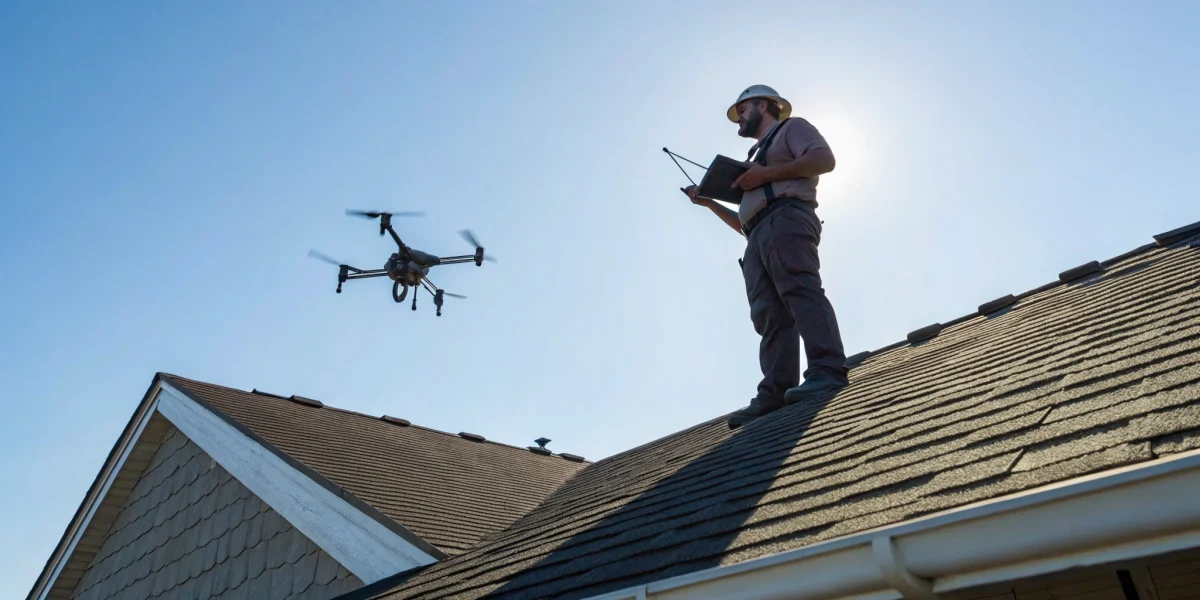
A roof is one of the most critical components of any property, yet for most people, it’s a total mystery. When a problem arises or a sale is on the line, homeowners and real estate agents need an expert they can rely on for an honest, accurate assessment. That feeling of confidence doesn’t come from a business card; it comes from credibility. A certified inspector provides that peace of mind, showing they have been trained and tested to meet rigorous industry standards. This article will break down what goes into the top roof inspection certification programs and explain why hiring a certified professional is one of the smartest decisions a property owner can make.
Key Takeaways
- Build instant credibility with the right credential: A certification acts as a professional seal of approval, showing clients you have the verified skills and knowledge to provide a trustworthy assessment of their property.
- Match the program to your professional goals: Not all certifications carry the same weight or focus. Compare curriculum, industry standing, and specializations—like the ability to offer a LeakFREE® warranty—to find the program that will best support the business you want to build.
- Use your certification as a launchpad, not a finish line: The most successful inspectors use their credential to access ongoing training, specialized software, and a professional network. This continuous learning is key to staying relevant and growing your business long after you pass the exam.
What Is a Roof Inspection Certification?
Think of a roof inspection certification as a professional seal of approval. It’s a credential awarded to an inspector who has proven they have the knowledge and skills to thoroughly assess a roof’s condition according to industry standards. It shows clients that you’re not just someone with a ladder and a flashlight, but a trained expert who knows exactly what to look for.
A certified roof inspector examines every aspect of a roof to make sure it’s safe, structurally sound, and free of issues. This involves checking for damage like leaks or missing shingles, evaluating the underlying structure, and confirming that all materials were installed correctly. It’s a detailed process that requires a sharp eye and a deep understanding of roofing systems. For professionals, earning a certification is a clear way to demonstrate your commitment to quality and expertise. For homeowners and real estate agents, hiring a certified inspector provides confidence that you’re getting an accurate and reliable assessment of a major component of your property.
Why Certification Matters for Your Career
For an inspector, certification is a powerful tool for building trust and growing your business. It immediately tells potential clients that you’ve met a high standard of excellence, which can set you apart from the competition and justify your rates. But the benefits don’t stop once you have the certificate. Leading organizations provide ongoing education and resources to help you stay on top of new materials, techniques, and challenges in the field. This continuous learning ensures you remain an expert throughout your career.
For property owners, a report from a certified inspector is invaluable. A LeakFREE® roof certification can help you sell a home faster and for a better price by removing a huge point of worry for potential buyers. It’s tangible proof that the property is well-cared for and a sound investment.
Who Should Get Certified?
Roof inspection certification is a smart move for a wide range of professionals. If you’re a home inspector, specializing in roofs can make your services more valuable. For roofing contractors, adding certified inspections to your offerings can create a new revenue stream and position you as a comprehensive roof expert. It’s also an excellent career path for anyone looking to enter a stable, in-demand field. As more people recognize the importance of roof maintenance, the need for qualified inspectors continues to grow.
Before diving in, it can be helpful to have some foundational knowledge. Courses like InterNACHI’s “How to Perform Roof Inspections” can provide a great starting point. From there, you can pursue a specialized certification program that aligns with your career goals and offers the training and support you need to succeed.
Exploring the Top Roof Inspection Certification Programs
Once you decide to get certified, the next step is finding the right program for your goals. Several organizations offer training and certification, each with a slightly different focus. Some are geared toward general home inspection, while others offer deep dives into commercial properties or specific types of damage assessment. Looking at the curriculum, industry reputation, and member resources for each will help you find the perfect fit for your career path. Let’s walk through some of the most recognized programs available.
National Roof Certification and Inspection Association (NRCIA)
The NRCIA offers a comprehensive certification program designed to give you the skills for precise roof condition assessments. What sets this program apart is the ongoing support you receive even after you’re certified. Members get unlimited access to continuing education resources, ensuring you’re always current with the latest industry practices and ready to tackle new challenges with confidence. This focus on long-term professional development means you’re not just earning a certificate; you’re joining a network dedicated to excellence. If you’re looking for a program that provides a strong foundation and continuous growth, the NRCIA’s path to becoming a certified inspector is a solid choice.
International Association of Certified Home Inspectors (InterNACHI)
InterNACHI is a well-known name in the home inspection industry, and its roof inspection certification is a popular choice for professionals looking to expand their skills. The organization provides a robust program that includes a free online course covering various roofing systems and maintenance needs. This certification is especially useful for home inspectors who want to add a roofing specialty to their services. By completing their training, you can confidently show clients you have the specific knowledge needed to evaluate a roof’s condition as part of a larger home inspection, making your reports more valuable and comprehensive.
American Society of Home Inspectors (ASHI)
The American Society of Home Inspectors (ASHI) is another major player in the home inspection field, known for its high professional standards and commitment to member development. While they are a leading authority for home inspectors, their specific offerings for a standalone roof inspection certification may be integrated within their broader home inspection training. Professionals associated with ASHI are recognized for their thoroughness and adherence to a strict code of ethics, which builds significant trust with clients. If you are already in or considering a career in general home inspection, exploring ASHI’s resources and training modules is a worthwhile step.
International Code Council (ICC)
For inspectors who want to master the technical side of roofing, the International Code Council (ICC) offers specialized training focused on building codes and standards. This is critical knowledge for ensuring every inspection is accurate and compliant. The ICC’s commercial roof inspection course is recognized for Continuing Education Units (CEUs), making it a great option for maintaining existing licenses while gaining new skills. This program is ideal for inspectors who work on commercial properties or in areas with strict code enforcement, as it provides practical insights into the official requirements you’ll encounter on the job.
Haag Engineering Certification
The Haag Engineering certification is highly respected in the industry, particularly within insurance and storm damage assessment. This program goes deep into the science of how roofs are constructed and why they fail. A Haag-certified inspector is trained to accurately identify and assess roof damage, from hail and wind to manufacturing defects. This technical expertise makes them a go-to resource for complex cases where a scientific, evidence-based report is required. Earning a Haag certification signals to clients and employers that you have an advanced, engineering-based understanding of roofing systems.
What Do You Need to Get Certified?
So, you’re ready to take the next step in your career and get certified. That’s fantastic! While every certification program has its own unique path, most share a common set of requirements to ensure you have the right foundation. Think of it as a three-part journey: having the right background, getting the proper training, and proving your knowledge. It’s less about checking boxes and more about building the expertise you need to be a trusted, professional inspector. Let’s walk through what you can generally expect on your path to certification.
Education and Experience
First things first, let’s talk about the baseline requirements. Most programs will ask that you have at least a high school diploma or a GED. While a college degree isn’t typically necessary, any prior experience in construction or roofing will give you a significant head start. You already speak the language of pitches, flashing, and underlayment, which is a huge plus. Beyond formal education, successful inspectors share a few key traits. You need a sharp eye for detail, strong problem-solving skills, and the ability to communicate your findings clearly. After all, you’ll be working with a wide range of property stakeholders, from anxious homeowners to seasoned real estate agents.
Training and Hands-On Practice
Certification is much more than just reading a textbook. It’s about translating that knowledge into real-world skills, and this is where hands-on training comes in. Most programs require you to complete specific courses that cover everything from identifying different roofing materials to understanding building codes and safety protocols. After you’ve got the theory down, you’ll need to practice. This might mean finding an internship, shadowing a veteran inspector, or taking advantage of advanced workshops. You’ll learn how to properly use essential tools like moisture meters and drones. The best programs also provide ongoing support and a full training portfolio to help you stay current with new materials and techniques long after you’re certified.
Passing the Exam
The final step in the process is proving what you’ve learned by passing a certification exam. This is the gatekeeper that ensures you have the comprehensive knowledge needed to perform inspections accurately and safely. The format and content will vary, but you can expect questions on roofing systems, defect recognition, safety standards, and report writing. To even sit for the exam, you’ll likely need to become a member of the certifying organization and complete their required coursework. Once you pass, you’ll need to maintain your certification, which usually involves completing continuing education credits to keep your skills sharp and your expertise relevant in the field.
How Much Does Roof Inspection Certification Cost?
Investing in your career through certification is a smart move, but it’s important to go in with a clear picture of the financial commitment. The costs aren’t just a one-time fee; they typically break down into initial training, membership dues, and ongoing renewals to keep your credentials current. Think of it less as an expense and more as a strategic investment in your professional growth and earning potential. Each component plays a role in getting you certified and helping you maintain that expert status.
Understanding these costs helps you plan your budget and choose a program that aligns with your financial and career goals. Some programs might have a lower upfront fee but higher recurring costs, while others bundle everything into a larger initial payment. It’s also worth considering the return on investment. A reputable certification can lead to higher-paying jobs, more client trust, and access to exclusive tools and resources that can streamline your work. As we break down the costs, think about how each element contributes to building a more profitable and sustainable business. Let’s walk through what you can expect to budget for as you start this process.
Upfront Training and Certification Fees
Your initial investment will be the upfront cost for training and certification. Generally, you can expect this to range from $75 to $400. The exact amount often depends on the depth of the program and where you’re located. This fee covers the foundational knowledge you’ll need to perform inspections accurately and professionally. When you’re evaluating programs, consider what’s included in this initial cost. A comprehensive training portfolio that provides in-depth instruction and resources offers more value and sets you up for long-term success, making it a worthwhile part of your initial investment.
Exam and Membership Dues
After your initial training, you’ll likely encounter fees for exams and ongoing membership. These dues are what keep the certifying organization running, providing you with valuable resources, support, and industry recognition. While some organizations have rigid fee structures, the NRCIA empowers its members by encouraging them to set their own prices for inspection services based on their local market. This flexibility is a huge advantage, allowing you to tailor your business to your community. Your annual dues grant you access to a network of professionals and tools that help you grow your business, making the different membership levels a key part of your business toolkit.
Ongoing Costs for Recertification
Certification isn’t a one-and-done deal. To maintain your credentials and stay on top of industry standards, you’ll need to recertify periodically. The costs for this can vary. For example, with the NRCIA, residential recertification fees are tiered based on the length of the certification period you offer your clients. A one-year certification costs $250, while a five-year plan is $850. This structure gives you the flexibility to offer different warranty options to homeowners, which can be a major selling point for your services. It ensures that the LeakFREE® roof protection you provide remains a trusted and valuable asset for your clients.
How to Compare Certification Programs
Choosing a roof inspection certification is a big step for your career, and it’s important to know that not all programs are built the same. Think of it like choosing a tool for your toolbelt—you want the one that’s reliable, respected, and right for the jobs you want to do. When you’re weighing your options, you’ll want to look past the price tag and dig into what each program truly offers. Some programs might look good on the surface, but they lack the depth, industry respect, or ongoing support you need to really thrive.
The best certification for you will depend on your specific career goals, but there are a few key areas everyone should examine closely. You’ll want to assess the quality of the training itself, the program’s reputation in the industry, the kind of support you’ll get after you’re certified, and any unique specializations that can help you stand out. Let’s walk through what to look for in each of these areas so you can make a choice that helps you build a successful and trusted business.
Quality of Training and Curriculum
A great certification program does more than just teach you how to pass a test; it prepares you for the complex situations you’ll face on the job. Look for a curriculum that is both comprehensive and practical. Does it cover a wide range of roofing materials, common points of failure, and local building codes? More importantly, does it offer hands-on training or real-world case studies? Some programs provide a mix of online courses and in-person workshops, giving you the flexibility to learn at your own pace while still gaining practical skills. A solid training portfolio is a sign that an organization is invested in creating truly competent inspectors, not just certified ones.
Industry Recognition and Credibility
The name on your certificate matters. A certification from a well-respected organization acts as an immediate signal of trust and expertise to homeowners, real estate agents, and insurance companies. When comparing programs, research their history and standing in the industry. How long have they been around? Are they recognized as an authority in the field? A program with a long-standing reputation for excellence gives your certification more weight and can open doors to better opportunities. You want to align yourself with an organization that serves a wide range of professionals and is known for its high standards, as this credibility will become a cornerstone of your professional brand.
Member Support and Resources
Your journey doesn’t end once you pass the exam. The roofing industry is constantly evolving with new materials, techniques, and regulations, so ongoing education is key. A top-tier certification program will provide continuous support to its members. Look for access to resources like continuing education courses, technical support for tough inspections, and a network of fellow professionals you can turn to for advice. This kind of long-term support is invaluable for staying sharp and confident in your work. Having a robust resource library at your fingertips means you’ll always have a place to turn when you encounter a new challenge on the job.
Specializations and Warranty Programs
To truly set yourself apart in a competitive market, consider programs that offer unique specializations. While a general roof inspection certification is a great foundation, a specialty can make you the go-to expert in a specific niche. For example, some organizations offer certifications for inspecting specific types of commercial roofs or understanding complex building codes like California’s SB 721. Even better are programs that allow you to offer tangible value to your clients, like a warranty. The ability to provide a LeakFREE® roof certification gives homeowners peace of mind and makes your inspection services far more valuable than a simple report. This kind of offering can become a powerful selling point for your business.
What Are the Perks of Certification?
Getting certified is a significant step, and it pays off in more ways than one. It’s not just about adding a new line to your resume; it’s about investing in your business, building client trust, and gaining access to resources that set you apart. Let’s look at the tangible benefits you can expect when you become a certified roof inspector.
Build Credibility and Advance Your Career
Think of certification as your professional seal of approval. It immediately tells clients that you have met rigorous standards and possess a verified skill set. This credential validates your expertise and shows you’re serious about your craft and committed to high industry standards. For your clients, especially in real estate, a certified roof can be a major selling point. It removes a huge worry for potential buyers and can help a home sell faster, making you an invaluable partner for real estate professionals. This level of trust not only helps you win more jobs but also allows you to command higher fees for your specialized knowledge.
Gain Access to Specialized Tools and Software
Beyond the title, certification often comes with a toolkit designed to make your job easier and your reports more professional. Imagine having access to standardized inspection checklists, cost-estimation calculators, and other digital resources right at your fingertips. These tools streamline your workflow, improve your accuracy, and ensure consistency across every inspection. The best programs also provide ongoing education to keep you sharp. NRCIA, for example, gives members access to a library of inspection software and continuing education materials, ensuring you’re always up-to-date with the latest industry practices and technologies.
Get Warranty and Liability Protection
Perhaps one of the most powerful perks of certification is the ability to offer warranties and protect yourself from liability. This is where the NRCIA truly stands out. We offer the nation’s only LeakFREE® Roof Certification, a true roof leak warranty. This gives your clients incredible peace of mind and sets a clear standard for your work, which in turn protects you. By certifying that a roof is free of leaks and that any necessary repairs have been made, you provide a guaranteed service that few others can match. It’s a game-changer that distinguishes your business and builds a reputation for quality and reliability.
Common Myths About Roof Inspection Certification
When you’re considering a new career path or looking to add a skill to your toolkit, it’s easy to get tangled up in misinformation. Roof inspection certification is no different. There are plenty of myths floating around that can create confusion and lead you down the wrong path. Let’s clear the air and tackle some of the most common misconceptions head-on. Understanding the reality of certification will help you set realistic expectations and make smarter decisions for your career.
Getting certified is a significant investment of your time and money, so it’s crucial to know exactly what you’re getting into. By debunking these myths, you can better understand the true value of a quality certification and how it fits into the bigger picture of a successful career in roofing.
Myth: Certification Guarantees a Job
Let’s get this one out of the way first: a certification is a powerful asset, but it isn’t a golden ticket to a job. While becoming a certified inspector will absolutely make you a more attractive candidate, it doesn’t guarantee employment on its own. The roofing industry is competitive, and employers are looking for the whole package—a solid mix of hands-on experience, practical skills, and professional credentials.
Think of your certification as a key that opens doors, but you still have to walk through them. It proves you have a foundational knowledge and are serious about your profession. However, you’ll still need to build your experience and network to land the best opportunities. Many common roofing myths can trip people up, and this is a big one for newcomers.
Myth: All Certifications Are Created Equal
It’s easy to assume that any certificate with “roof inspector” on it carries the same weight, but that couldn’t be further from the truth. The credibility and industry recognition of certification programs vary widely. A weekend course that hands out a certificate to anyone who pays is not the same as a rigorous program from an established, respected organization like the NRCIA.
Before you enroll, do your homework. Research the organization’s reputation, the depth of its curriculum, and what its membership levels entail. A quality certification is backed by a strong code of ethics, continuing education requirements, and a supportive professional network. The value of your credential is tied directly to the standards of the body that issues it.
Myth: One Certification Fits All Roof Types
Believing a single certification prepares you for every roof you’ll encounter is a critical mistake. Roofing systems are incredibly diverse, from standard asphalt shingles to slate, tile, metal, and complex low-slope commercial roofs. Each material and system has its own unique properties, common failure points, and specific inspection protocols. A general certification provides a great foundation, but true expertise requires specialized knowledge.
To be a competent and reliable inspector, you need training that aligns with the types of roofs you plan to work on. Pursuing specialized credentials shows a commitment to excellence and ensures you can provide the most accurate assessment for your clients. A comprehensive training portfolio will offer courses that cover a wide range of roofing systems, allowing you to build the specific expertise your market demands.
Overcoming Common Certification Hurdles
Getting certified is a major step, but like any worthwhile goal, it comes with a few challenges. The good news is that these hurdles are completely manageable with a bit of planning. Whether you’re concerned about getting enough real-world practice, figuring out the costs, or getting up to speed on complex roofing systems, there are clear paths forward. Let’s break down some of the most common obstacles and how you can confidently move past them on your way to becoming a certified roof inspector.
Gaining Hands-On Experience
Passing the exam is a huge accomplishment, but the real learning happens in the field. Your certification is your license to learn, not the end of your education. The best way to build confidence and expertise is to work alongside seasoned inspectors. This mentorship allows you to see how theoretical knowledge applies to real-world situations and helps you get comfortable with essential tools like drones and moisture meters. Look for opportunities to shadow or assist on inspections. Many certification bodies, including the NRCIA, offer a training portfolio that provides structured pathways to gain this crucial hands-on practice.
Managing the Time and Cost
Let’s talk about the investment. Becoming a certified inspector requires both time and money, but it’s a cost that pays dividends in your career. While initial certification fees can vary, the real value comes from the business you can build. Once certified, you can start earning. For example, a standard roof inspection and certification might cost a client between $75 and $400, not including any necessary repairs. As an NRCIA member, you have the flexibility to set your own prices based on your local market. This allows you to build a sustainable business model that reflects your expertise. You can explore different membership levels to find a plan that fits your budget and business goals.
Mastering Complex Roofing Systems and Codes
Roofs aren’t one-size-fits-all, and your expertise shouldn’t be either. From steep-slope residential roofs to complex low-slope commercial systems, a top-tier inspector needs to understand them all. This means getting familiar with various materials, designs, and the building codes that govern them. Specialized training is key to accurately identifying damage and understanding the nuances of roof construction. For instance, inspecting multi-family housing or commercial buildings requires specific knowledge, like the standards for California SB 721 inspections. Pursuing advanced education ensures you can confidently assess any roof and provide your clients with the highest level of service.
How to Choose the Right Certification Program for You
Picking the right certification program is a major step in building your career as a roof inspector. It’s not just about adding a credential to your name; it’s about investing in the right knowledge, tools, and network to help you succeed. With several excellent options available, the best choice for you will depend on your professional goals, where you work, and the kind of reputation you want to build.
Think of this decision as laying the foundation for your business. A solid certification gives you the expertise to perform thorough inspections and the credibility to win clients’ trust. To find the program that fits you perfectly, you’ll want to look at a few key factors. Consider the program’s standing in the industry, how it aligns with your long-term career plans, and whether it addresses the specific requirements of your local market. Breaking it down this way makes it much easier to compare your options and choose with confidence.
Check for Credibility and Industry Acceptance
When you’re evaluating programs, start with credibility. You want a certification that homeowners, real estate agents, and insurance companies recognize and respect. A credential from a well-established organization shows that you’ve met high standards of training and professionalism. Look for programs with a long history and a strong reputation in the industry.
For instance, the NRCIA has been a leader in the field since 1995 and is widely known as the authority in LeakFREE® roof protection. On the other hand, organizations like InterNACHI allow you to use an official Certified Roof Inspector logo, which immediately signals your qualifications to potential clients. A certification from a trusted name acts as a powerful endorsement of your skills and can make all the difference when building your client base.
Align the Program with Your Career Goals
Think about what you want to achieve in your career. Are you looking to become a go-to expert in a specific niche, or would you prefer to offer a broad range of inspection services? Your goals should guide your choice of certification. Some programs provide a wide-ranging education, while others offer deep dives into specialized areas.
If you aim to be a versatile inspector, a program like InterNACHI might be a great fit, as membership can give you access to more than 60 other types of inspector certifications. If you want to specialize in damage assessment, a Haag certification will signal a higher level of expertise. And if your goal is to offer a unique, value-added service, the NRCIA’s LeakFREE® certification allows you to provide warranty-backed inspections, setting you apart from the competition.
Consider Local and Regional Requirements
A roof in Arizona faces very different challenges than one in Minnesota. The best certification programs will equip you with knowledge that’s relevant to your specific service area. This includes understanding local building codes, common roofing materials used in your region, and typical weather-related issues. A program that doesn’t account for these regional differences won’t fully prepare you for the job.
Look for a program that acknowledges these variations. For example, the NRCIA provides pricing guidelines but encourages members to set their prices based on their local market. Some organizations also offer specialized training for state-specific regulations, which is essential for compliance and providing the best service to your clients. Choosing a program with a curriculum that addresses your local conditions ensures you’ll be ready for whatever you encounter in the field.
Ready to Get Certified? Here Are Your Next Steps
Deciding to get certified is a huge step for your career. Once you’ve chosen the right program, the path ahead becomes much clearer. It’s all about taking it one step at a time, from initial training to building a thriving business. Think of it as a straightforward roadmap to becoming a trusted expert in your field. With the right preparation and support, you’ll be well on your way to achieving your professional goals. Let’s walk through what you can expect as you get started.
Your First Steps in the Certification Process
Getting started on your certification journey involves a few key milestones. First, you’ll join a professional organization that aligns with your career goals, as most programs require membership to access training materials and exams. From there, you’ll complete the required coursework, which often includes a mix of online classes and hands-on training to build a solid foundation of technical knowledge. The final step is passing the certification exam to prove your expertise. Exploring different membership levels can help you find the right fit for your specific needs and budget.
How to Prepare for Success
The best certification programs don’t just hand you a textbook and wish you luck; they provide resources to help you succeed. As you prepare for your exam, look for programs that offer comprehensive study guides, practice tests, and reference materials. Access to a robust training portfolio makes a world of difference in feeling confident and prepared. Beyond the exam, ongoing education is crucial. The roofing industry is always evolving, so continuous learning ensures you stay current on the latest materials and codes. A great program will offer continuing education to help you maintain your certification and sharpen your skills.
Building a Successful Career Post-Certification
Earning your certification is just the beginning—the real value comes from how you use it to build your career. A strong certifying body provides ongoing support to turn your new credential into a successful business. This can include access to specialized tools like inspection software, marketing materials to attract clients, and a network of fellow professionals for advice. This long-term partnership helps you handle new challenges and continue your professional growth long after you’ve passed the exam. It’s about more than a certificate; it’s about joining a community dedicated to your success.
Related Articles
- Roof Inspections – NRCIA
- Protect Your Warranty: Find a Certified Roof Inspector
- Forensic Roof Inspection for Leaks: A Complete Guide
- Your Guide to an Independent Roof Inspection for Insurance
- Services – NRCIA
Frequently Asked Questions
How long does it typically take to become a certified roof inspector? The timeline really depends on the program you choose and your own background. Some self-paced online courses can be completed in a matter of weeks if you have prior roofing experience and can dedicate time to them. More comprehensive programs that include hands-on training might take a few months. The key is to focus on finding a program that provides thorough training rather than just rushing to the finish line.
I don’t have any roofing experience. Can I still pursue certification? Absolutely. While having a background in construction or roofing gives you a head start, it’s not a requirement for most programs. A quality certification course is designed to teach you everything you need to know from the ground up, covering different roofing systems, materials, and inspection techniques. Your commitment to learning and a sharp eye for detail are far more important than your previous job title.
What’s the main difference between a certification for residential versus commercial roofs? The core difference comes down to complexity and scale. Residential certification typically focuses on steep-slope roofs with common materials like asphalt shingles, tile, or metal. Commercial certification dives into more complex systems, such as low-slope or flat roofs, and involves different materials, drainage systems, and building codes. Many inspectors start with a residential certification and then pursue specialized training for commercial properties as they grow their business.
Is certification a one-time process, or is there ongoing work to maintain it? Certification is an ongoing commitment to your profession, not a one-and-done achievement. Most reputable organizations require you to complete continuing education credits to maintain your credentials. This ensures you stay current with new materials, evolving industry standards, and safety protocols. Think of it as a way to keep your skills sharp and consistently provide the best service to your clients.
Besides finding more clients, what’s the biggest advantage of getting certified through a major organization? One of the biggest perks is the ongoing support and resources you gain. Beyond the initial training, you become part of a professional network and get access to specialized tools, like inspection software, that can make your work more efficient and accurate. Some organizations, like the NRCIA, also allow you to offer exclusive services, such as a LeakFREE® warranty, which provides incredible value to your clients and sets your business apart.
