
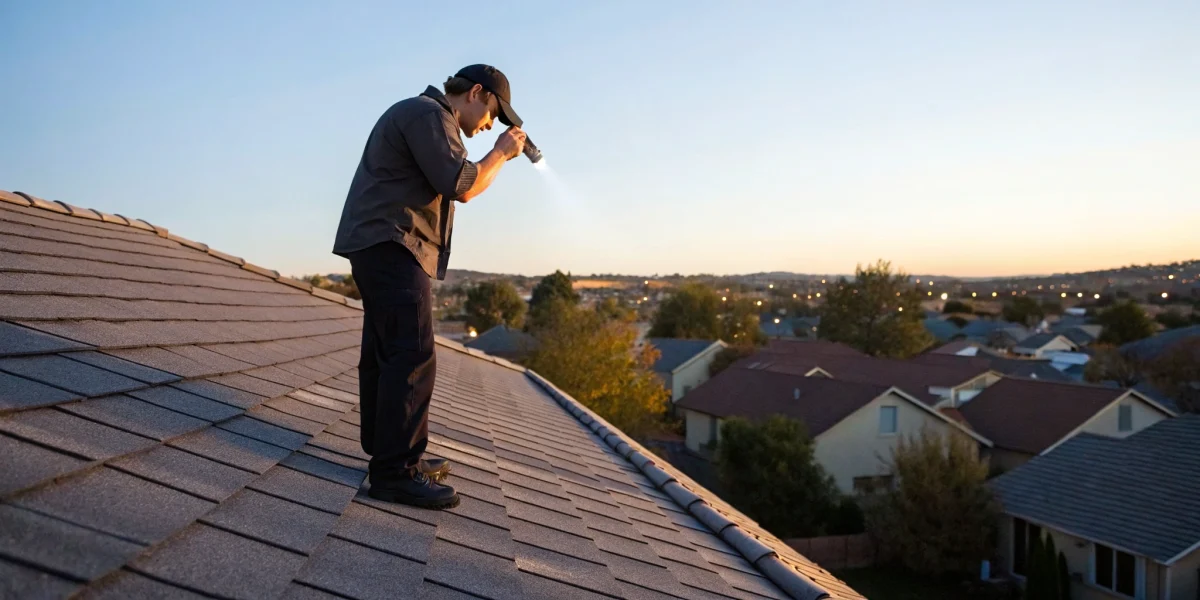
That mysterious water stain on the ceiling. The stray shingle you found in the yard after a windy night. These are the subtle signs that something might be wrong with your roof, and they often bring a wave of uncertainty. How serious is the problem? What will it cost to fix? This is where guesswork ends and clarity begins. A professional roof damage assessment report is the first, most critical step toward getting real answers. It’s more than just a list of problems; it’s a comprehensive health check for your home’s most important protector, giving you a clear, actionable roadmap to ensure your property stays safe and dry.
Key Takeaways
- Your Report is a Multipurpose Tool: Use your roof damage assessment as objective proof for insurance claims, a clear guide for prioritizing repairs, and a critical document for property transactions.
- Know the Warning Signs: Stay ahead of major issues by looking for interior red flags like ceiling stains and exterior damage like missing shingles, and always schedule an inspection after severe weather.
- A Quality Report Starts with a Qualified Pro: The value of your assessment depends on the expert behind it, so always verify their certifications, insurance, and the technology they use to ensure you get an accurate report.
What Is a Roof Damage Assessment Report?
Think of a roof damage assessment report as a complete health record for your roof. It’s a detailed, formal document created by a certified professional that outlines the exact condition of your roof at a specific point in time. This isn’t just a quick glance from the curb; it’s a thorough evaluation that documents the roof’s age, materials, and overall structural integrity. The report identifies any existing damage or potential issues, from obvious problems like missing shingles and active leaks to more subtle signs of wear and tear that could lead to major headaches down the road.
A comprehensive report provides a clear, unbiased picture of your roof’s health, which is essential for making informed decisions about maintenance, repairs, or replacement. For homeowners, it’s a roadmap for protecting their investment. For real estate professionals and potential buyers, it provides critical information needed during a property transaction. The findings in this report are the first step toward securing a truly protected roof, like those covered by a LeakFREE® roof certification, which offers a warranty against leaks. Ultimately, the report gives you the facts you need to act confidently, whether you’re planning a budget for repairs or negotiating a home sale.
Why You Need a Professional Assessment
While you might be able to spot a stray shingle in your yard, a professional assessment provides the expertise needed to see the full picture. A trained inspector knows how to identify underlying issues that an untrained eye would miss, giving you a trustworthy basis for deciding whether to repair or replace your roof. This detailed evaluation builds confidence and shows you’re working with a true professional who can back up their recommendations with evidence.
This documentation becomes especially critical when dealing with insurance claims. Insurers may dispute the extent of storm damage or the cause of a leak, but a thorough report from a certified inspector serves as your credible proof. It substantiates your claim with photos, measurements, and expert analysis, ensuring you have the support you need to get the coverage you deserve. The insights from an inspector who has completed extensive training and certification are invaluable in these situations.
When to Get Your Roof Assessed
Timing is key when it comes to roof maintenance. Most experts recommend having your roof professionally inspected at least twice a year, ideally in the spring and fall. A spring inspection helps identify any damage caused by harsh winter weather, like ice dams or heavy snow, and gets your roof ready for summer storms. A fall inspection prepares your roof for the coming winter, catching any potential problems before they’re buried under snow and ice.
Beyond routine check-ups, you should always schedule an assessment after a major weather event. High winds, hail, and heavy rain can cause significant damage that isn’t always visible from the ground. Getting an expert opinion right away can help you catch and fix problems before they escalate into costly leaks and water damage. Consistent, timely inspections are the best way to extend the life of your roof and maintain your peace of mind.
What to Look for in a Roof Damage Report
A roof damage report is your roadmap to a healthy roof, but only if it’s clear, comprehensive, and actionable. When you receive an assessment, you need to know exactly what you’re looking at. A quality report empowers you to make informed decisions, whether you’re a homeowner dealing with an insurance claim, a real estate professional advising a client on a purchase, or a property manager planning a maintenance budget. It separates a quick glance-over from a truly professional inspection that meets the highest industry standards.
A thorough report gives you the confidence that every potential issue has been identified and properly documented, leaving no room for expensive surprises down the line. It’s the kind of detailed analysis that underpins a LeakFREE® roof certification, providing peace of mind that your property is protected. So, what should you be looking for? A truly valuable report will always contain four key elements: clear visual evidence, a detailed breakdown of all findings, actionable recommendations for repairs, and a complete assessment of your roof’s materials and specifications. Understanding these components will help you get the most value from your inspection.
Clear Photos and Visual Evidence
A picture is worth a thousand words, especially when it comes to roof damage. Your report should be filled with high-resolution photos documenting every issue the inspector finds. Vague descriptions of “damaged shingles” aren’t enough; you need to see the cracks, missing granules, or lifted edges for yourself. This visual evidence is crucial for you to understand the extent of the damage. It also serves as undeniable proof for insurance claims and helps contractors provide accurate quotes for repairs. Without clear photos, you’re essentially taking the inspector’s word for it, which leaves too much room for ambiguity and potential disputes later on.
A Detailed Breakdown of Findings
Beyond the photos, the report needs a written explanation of what the inspector found. This section should provide a comprehensive overview of your roof’s condition, translating the images into a clear narrative. It should identify each problem, explain its location, and describe the potential consequences if left unaddressed. A professional report, often generated with specialized inspection software, will break down findings by roof section, component, and issue type. This detailed summary helps you understand the issues at hand and plan for any necessary repairs or maintenance, ensuring no problem goes unnoticed and you have a complete record of your roof’s health.
Actionable Repair Recommendations
A great report doesn’t just list problems—it offers solutions. Look for a section with specific, actionable recommendations for how to address the issues identified during the inspection. These suggestions should be prioritized, distinguishing between urgent fixes needed to prevent further damage and long-term maintenance tasks. For example, the report might recommend immediate sealing of a flashing leak while suggesting gutter cleaning as routine upkeep. This guidance from a trained professional is invaluable, as it gives you a clear path forward and helps you budget for necessary work without feeling overwhelmed by a long list of issues.
An Assessment of Materials and Specs
To understand the “why” behind the damage, your report needs context about the roof itself. This includes details about the roof’s age, its expected lifespan, and the specific materials used, such as architectural shingles, clay tiles, or metal panels. This information is essential for understanding the roof’s overall condition and future maintenance needs. For instance, knowing you have 20-year shingles that are 18 years old helps explain why they’re showing significant wear. This data provides a complete picture, allowing for better long-term planning beyond just the immediate repairs and helping you anticipate future replacement costs.
Warning Signs You Need a Roof Assessment
Your roof is your home’s first line of defense, but it won’t always tell you when it needs help—at least not directly. Problems can start small and go unnoticed until they become major, costly headaches. The good news is that your roof often sends subtle signals before a real crisis hits. Learning to spot these warning signs is the first step in proactive home maintenance. Whether you’ve just weathered a big storm or simply haven’t had your roof checked in a while, knowing what to look for can save you a lot of trouble down the road.
Exterior Signs of Damage
You don’t need to climb a ladder to get a sense of your roof’s condition. Start by walking around your property and giving it a good look from the ground. Scan for any shingles that have fallen into your yard or gutters. On the roof itself, look for shingles that are curling at the edges, buckling in the middle, or missing altogether. These are often signs that your roof is getting older and may be losing its integrity. Also, pay attention to the areas around your chimney, vents, and skylights. Damaged flashing in these spots can easily let water in. Spotting these issues early can help you maintain a LeakFREE® roof and prevent more serious damage.
Interior Red Flags
Sometimes, the most obvious signs of roof trouble appear inside your home. The most common red flag is a water stain on your ceiling or walls. These discolored patches, which can be yellowish or brown, are a clear indication of a leak. Don’t ignore them, even if they feel dry to the touch. Another place to check is your attic. Look for damp rafters, signs of moisture, or any daylight peeking through the roof boards. Poor attic ventilation can also contribute to problems by trapping heat and moisture, which can degrade your roof structure over time. These interior signs often mean a problem has been brewing for a while and needs professional attention.
Damage from Recent Weather
Severe weather is one of the biggest threats to your roof’s health. After a major storm with high winds or hail, it’s always a good idea to perform a visual check. Strong gusts can lift and loosen shingles, leaving your roof vulnerable to leaks even if the shingles don’t completely tear off. Hail can create dents or cracks in your roofing material that might not be visible from the ground but can compromise its protective layer. Since storm damage can be subtle, it’s often best to have a professional take a look. Certified inspectors receive specialized training and education to identify weather-related issues that an untrained eye might miss.
How to Choose a Qualified Roofing Professional
After you’ve spotted potential roof damage, the next step is to bring in a professional. But finding the right person for the job can feel overwhelming. A thorough, accurate assessment is the foundation for all your next steps, from filing an insurance claim to scheduling repairs, so it’s essential to work with someone you can trust. The right professional not only gives you a clear picture of your roof’s condition but also helps protect your property’s value.
Choosing a qualified inspector or contractor isn’t just about finding someone who can climb a ladder. It’s about partnering with an expert who has the training, credentials, and tools to do the job right. A great roofing professional will provide a detailed, easy-to-understand report that empowers you to make informed decisions. To ensure you’re hiring a true expert, focus on a few key areas: their credentials, their legal standing, and the technology they use to assess your roof. Taking the time to vet your options will save you headaches and money down the road.
Look for Key Certifications and Credentials
When you’re looking for a roofing professional, start by checking their qualifications. Certifications are more than just fancy badges; they show that a person has invested in their education and is committed to upholding industry standards. A certified inspector has proven their expertise and stays current with the latest materials and techniques.
Look for professionals who hold credentials from a recognized authority. For example, an inspector who has completed specialized training from an organization like the NRCIA is equipped to perform detailed assessments and create standardized reports. This ensures you receive a consistent and reliable evaluation of your roof’s condition. Don’t hesitate to ask potential inspectors about their certifications—a true professional will be happy to share them.
Verify Their Insurance and Licensing
Before anyone sets foot on your roof, confirm they are properly licensed and insured. This is a critical step that protects you from liability. Licensing requirements vary by state, but they confirm that the contractor has met the minimum standards to operate legally. You can typically verify a license through your state’s contractor licensing board website.
Equally important is insurance. Your roofing professional should carry both general liability insurance and workers’ compensation. General liability covers any damage they might cause to your property, while workers’ comp protects you if one of their employees gets injured on the job. Always ask for a certificate of insurance and verify that the policy is active. A reputable professional will provide this without hesitation.
Ask About Their Inspection Technology
The tools a professional uses can tell you a lot about the quality of their work. Modern inspection technology allows for a more thorough and accurate assessment than a simple visual check. Ask potential inspectors what kind of equipment they use. Do they use drones to get a clear view of hard-to-reach areas? Do they use thermal imaging cameras to detect hidden moisture that isn’t visible to the naked eye?
The software they use is just as important. A professional who uses specialized inspection software can produce a clear, detailed, and professional report much more efficiently. This technology helps create standardized reports with high-resolution photos and precise notes, making it easier for you to understand the findings and share them with your insurance company.
How to Read Your Roof Damage Report
Getting your roof damage report can feel like trying to read a foreign language. It’s often filled with technical terms, measurements, and photos that might not make sense at first glance. But taking the time to understand this document is one of the most important things you can do to protect your property. This report is your roadmap, detailing the current health of your roof and outlining the exact steps needed to keep your home safe and dry. Think of it less as a list of problems and more as a clear, actionable plan. By breaking it down, you can make confident, informed decisions about repairs, maintenance, and your home’s future.
Decode Technical Terms and Jargon
A good roof report should be clear, but some industry-specific terms are unavoidable. You might see phrases like “granule loss” on asphalt shingles, “improperly installed flashing” around chimneys, or “delamination” of roofing layers. Don’t let the jargon intimidate you. For instance, it’s easy to mistake cosmetic surface wear for serious structural damage. A certified inspector will not only use the correct terminology but also explain what it means for your roof’s longevity and performance. If you’re unsure about a term, always ask your inspector for a simple explanation. A true professional will be happy to walk you through their findings so you understand exactly what’s going on up there.
Understand Repair Urgency Levels
Not all roof issues are created equal. Your report should help you prioritize what needs to be fixed now versus what can wait. The most critical problems are almost always related to leaks and water damage, as these can quickly lead to mold, rot, and structural decay inside your home. A quality assessment will categorize findings by urgency. For example, an active leak or severely damaged flashing requires immediate attention. Moderate issues, like cracked shingles or clogged gutters, should be addressed soon to prevent them from worsening. Minor issues, such as light moss growth, might just need monitoring. This tiered approach helps you budget and plan effectively.
Decide Between Repair vs. Replacement
One of the biggest questions a damage report can raise is whether to repair a specific area or replace the entire roof. The answer depends on several factors: the age of your roof, the extent and nature of the damage, and the cost-effectiveness of each option. If your roof is relatively new and the damage is isolated to one section, a repair is often the best choice. However, if the roof is nearing the end of its expected lifespan or has widespread issues, a full replacement might be the smarter long-term investment. Trying to avoid common DIY roof repair errors by consulting a professional can save you from making a costly mistake.
Avoid These Common Mistakes
When you get a report, it’s helpful to know what separates a thorough assessment from a superficial one. A major red flag is a report that relies solely on a ground-level or exterior-only visual inspection. Some of the most significant issues, like poor ventilation or hidden leaks, are only discovered when an inspector adequately documents roof issues from inside the attic. Another common mistake is accepting a report with blurry photos or vague descriptions. You need clear evidence to understand the problems and to support any insurance claims. A detailed, well-documented report from a certified professional ensures you have the full picture, empowering you to take the right next steps.
How to Prepare for a Roof Assessment
A little preparation before your roof inspector arrives can make the entire process smoother and more effective. Taking a few simple steps ensures your inspector has all the information they need to provide a thorough and accurate assessment, saving you time and helping you get the clearest picture of your roof’s health.
Gather Your Documents and Ensure Safety
Before the assessment, pull together any documents related to your roof. This includes the property deed, previous inspection reports, warranty information for shingles or other materials, and any contracts from past repairs. Having these on hand gives your inspector a head start. Most importantly, prioritize safety. While you might be tempted to get a closer look at potential damage, it’s best to assess your roof from the ground and leave the hands-on inspection to a trained professional. Clear a safe path for the inspector to access your roof via a ladder and make sure any interior access points, like an attic hatch, are unobstructed. This preparation is helpful for all the different clients we serve, from homeowners to property managers.
Collect Property and Maintenance Records
Your roof has a history, and sharing it provides valuable context for your inspector. Gather any records you have of past maintenance, repairs, or material purchases. This includes invoices from contractors, receipts for materials, and even personal notes about when work was done. This information helps the inspector understand the roof’s age, its performance over time, and any recurring issues that need special attention. Experts generally recommend inspecting your roof at least twice a year, so any records from these routine checks are also incredibly useful. Consistent records are a key part of maintaining a LeakFREE® certified roof.
Review Your Insurance Policy
If you’re getting an assessment due to a storm or specific incident, take some time to review your insurance policy beforehand. It’s important to understand what your policy covers. Most home insurance will cover roof damage from sudden events like hail or wind, but they often don’t cover leaks that develop over time from normal wear and tear. Find out your deductible and familiarize yourself with your provider’s process for filing a claim. Knowing these details ahead of time empowers you to have a more productive conversation with both your inspector and your insurance agent. A certified inspector understands these nuances because it’s a core part of their professional training.
What to Do After You Get Your Report
Okay, you have the roof damage assessment report in hand. This document is more than just a summary of problems; it’s your action plan for protecting your property. Knowing what to do next can feel overwhelming, but you can break it down into a few clear steps. By methodically planning your repairs, coordinating with your insurance provider, and keeping meticulous records, you can handle the situation with confidence. Let’s walk through how to use your report to make smart, informed decisions for your roof’s future.
Plan Your Repairs and Maintenance
Your report outlines exactly what needs attention, so use it to create a repair schedule. Address the most urgent issues first to prevent further damage, like active leaks or significant structural problems. For less critical items, you can plan for them in the near future. Think of this as an opportunity to get ahead of long-term issues. Experts recommend inspecting your roof at least twice a year and after any major storm. This proactive approach, combined with your detailed report, helps you maintain a LeakFREE® roof and avoid costly emergency repairs down the line. A simple walk around your property to check for fallen shingles or debris can also help you stay on top of maintenance.
Work with Your Insurance Company
If the damage was caused by a sudden event like a storm, your report is the most important piece of evidence for your insurance claim. It provides the professional, third-party documentation your provider needs to see. Keep in mind that most home insurance policies cover damage from sudden incidents but not issues from long-term neglect or normal aging. Your assessment report helps clarify the cause. Sharing this report with your insurance adjuster can streamline the claims process. Working with a certified professional ensures that all communication is clear and that the scope of work is accurately represented, which is why so many insurance companies rely on our standards to help you get the coverage you’re entitled to.
Keep Records for Your Warranty
Proper documentation is your best friend when it comes to protecting your investment. Your roof damage report is the first official record, but your job doesn’t end there. Keep a complete file of all communications, receipts, and before-and-after photos of any repairs. This information is essential if you ever need to file a warranty claim. Manufacturers and contractors often require proof of regular maintenance and proper repairs to honor a warranty. By working with certified roofing professionals, you can be sure that the work meets industry standards and that your records are thorough, keeping your warranty intact for years to come.
For Professionals: How to Write an Effective Report
Your roof damage assessment report is much more than a summary of findings; it’s a critical communication tool that showcases your expertise and builds trust with your clients. Whether you’re handing it to a homeowner, a real estate agent, or a property manager, a well-crafted report translates your technical inspection into a clear, understandable, and actionable document. Think of it as the final, crucial step of your inspection process. It’s the tangible takeaway that clients will refer back to long after you’ve left the property, and it’s often the basis for major financial decisions, like proceeding with a home purchase or filing an insurance claim.
A great report not only helps your client make informed decisions but also reflects the quality of your work, setting you apart from the competition and paving the way for future business. Getting this right means turning a simple document into a powerful asset for your company. It demonstrates your commitment to transparency and professionalism, which is often the deciding factor for a client choosing to hire you for repairs or recommend your services to others. In the following sections, we’ll cover the key elements that make a report effective, from the language you use to the tools that can make the process easier and more accurate.
Focus on Clarity and Detailed Documentation
The most important thing to remember is that your client is not a roofing expert. Your report should be written in straightforward language that anyone can understand, so avoid overly technical jargon whenever possible. If you must use an industry term, take a moment to explain what it means. The goal is to be thorough without being overwhelming. Provide all the essential details, but keep the language concise and to the point.
Visuals are your best friend here. Including clear, high-resolution photos of any damage or areas of concern is non-negotiable. A picture of a cracked shingle or damaged flashing is far more impactful than a written description alone. This documentation serves as undeniable proof of your findings and helps the client see exactly what you saw, building credibility and helping them grasp the urgency of any recommended repairs. Honing these documentation skills is a key part of professional development, and dedicated inspector training can help you perfect your reporting process.
Maintain Professionalism in Presentation and Communication
Your report is a direct reflection of your brand. A sloppy, generic document can undermine the client’s confidence in your work, while a polished, professional report reinforces your credibility. Take the time to create a template that includes your company’s logo, brand colors, and contact information. This consistent branding makes your report instantly recognizable and shows that you pay attention to every detail.
Consider your report a key piece of your marketing. A well-organized and easy-to-read document leaves a lasting positive impression. It tells clients that you are organized, thorough, and professional in all aspects of your business. This positive experience is what leads to glowing reviews and valuable referrals. Being part of a recognized organization like the NRCIA further strengthens this professional image, signaling to clients that you adhere to the highest industry standards. You can explore different membership levels to see how certification can support your business.
Use the Right Software for Accurate Reporting
Writing reports by hand or using a basic word processor is inefficient and leaves room for error. The right technology can streamline your entire reporting process, saving you time while improving accuracy and consistency. Modern inspection software allows you to use pre-built templates, custom checklists, and dropdown menus to ensure you cover every critical point during an assessment. This systematic approach means you won’t forget to document a key detail.
Using specialized tools also makes integrating photos and notes seamless, allowing you to generate a comprehensive, professional-looking PDF report right from the job site. NRCIA provides its members with proprietary inspection software designed to meet our rigorous standards. This technology helps you create detailed, standardized reports efficiently, ensuring every client receives the same high level of documentation and care. It’s an investment that pays off in saved time, improved accuracy, and enhanced client satisfaction.
Related Articles
- Roof Inspection for Insurance Claim: A Guide
- Hail Damage Roof Inspection for Insurance: A Guide
- Free Roof Inspection Report for Insurance PDF Template
- A Guide to Hire an Expert for Roof Damage Assessment
Frequently Asked Questions
What’s the difference between a roof damage assessment and a free estimate from a contractor? Think of a roof damage assessment as a complete diagnostic check-up from a specialist. Its purpose is to provide a detailed, unbiased report on your roof’s overall health, identifying all existing and potential issues. A free estimate, on the other hand, is a price quote from a contractor for a specific job, like replacing shingles. While an estimate is a sales document, an assessment is an informational tool that empowers you to make smart decisions.
How exactly does this report help with an insurance claim? The report serves as your official, third-party evidence. It provides your insurance adjuster with clear photos, detailed descriptions, and an expert analysis of the damage, which substantiates your claim. This professional documentation helps prevent disputes over the cause or extent of the damage, making the claims process smoother and more straightforward for everyone involved.
What if the inspector doesn’t find any significant damage? That’s great news! A report that finds no major issues gives you valuable peace of mind and a clean bill of health for your roof. It also creates a baseline record of your roof’s condition at a specific point in time. This documentation can be incredibly useful later if you need to prove that future damage was caused by a specific event, like a storm, rather than pre-existing wear.
How long is a roof assessment report considered valid? A report is a snapshot of your roof’s condition on the day of the inspection. Its relevance can change, especially after a major weather event or the simple passage of time. While there’s no official expiration date, it’s best to use the report for immediate decisions, like filing an insurance claim or negotiating a home sale. For ongoing maintenance, you should plan on getting a new inspection every year or two.
Can I share this report with multiple contractors to get repair quotes? Absolutely. In fact, that’s one of its biggest benefits. The report provides a standardized scope of work, ensuring that every contractor is bidding on the exact same repairs. This allows you to compare their quotes on an apples-to-apples basis, helping you make a more informed and confident hiring decision without any guesswork.
