
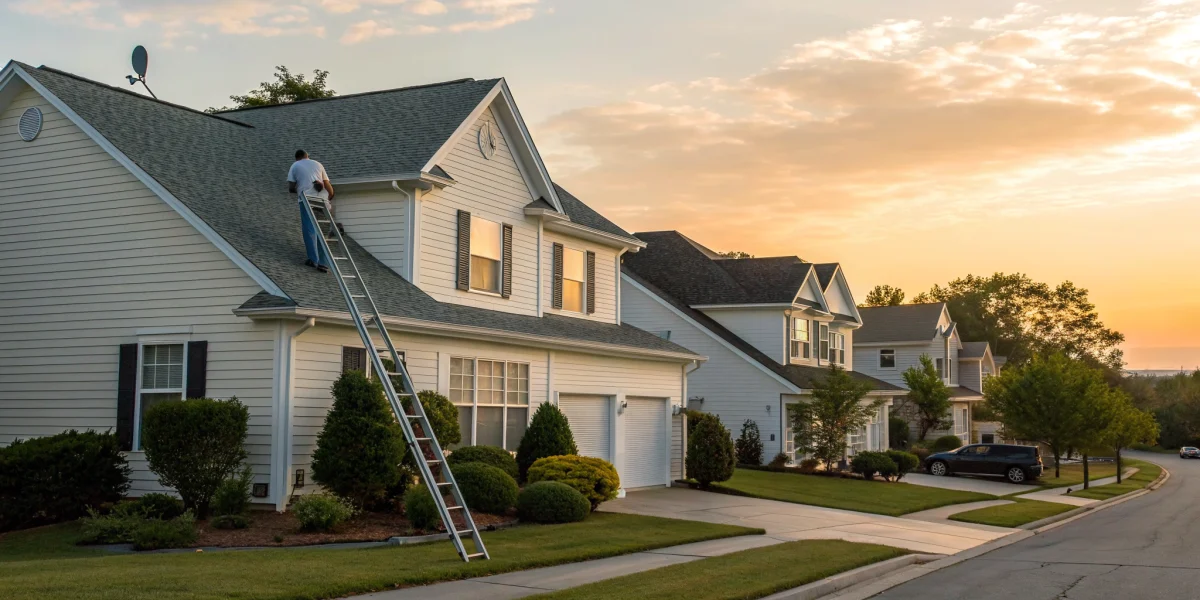
Few things can derail a promising home sale faster than a surprise issue found during the buyer’s inspection. Suddenly, you’re in stressful, last-minute negotiations over repair credits, or worse, the deal falls apart completely. A pre-listing roof certification for home sale is your best defense against this scenario. By having a professional thoroughly evaluate your roof beforehand, you uncover and address any potential problems on your own terms and timeline. You control the narrative. This proactive step removes a major bargaining chip from the buyer’s table and helps ensure a smooth, predictable path to the closing table for everyone involved. It’s about preventing problems before they start.
Key Takeaways
- Take Control of Your Home Sale: Certify your roof before listing to identify and fix potential issues on your own terms, preventing them from becoming a buyer’s bargaining chip during negotiations.
- Provide Credible Proof of Condition: A certification is a detailed, professional assessment of your roof’s health and lifespan, not just a quick glance. It offers a transparent report that builds immediate trust with buyers, lenders, and insurers.
- Ensure a Smoother Path to Closing: By giving buyers proven peace of mind about one of the home’s biggest expenses, a certification helps eliminate surprises, speed up financing, and prevent deals from falling apart at the last minute.
What Is a Roof Certification and Why Do You Need One to Sell Your Home?
Think of a roof certification as a professional seal of approval for your roof. It’s an official document issued by a qualified inspector that confirms your roof is in good condition and has a reasonable lifespan ahead of it—typically two to five years. Unlike a standard home inspection, which might only give the roof a quick glance, a certification involves a thorough examination to identify any existing issues or potential leaks.
So, why is this so important when you’re selling your home? A roof certification provides transparency and builds trust. For a potential buyer, the roof is a huge unknown and a major expense if it needs replacing. Handing them a certification shows you’ve done your due diligence and are confident in the home’s condition. It tells buyers, lenders, and even insurance companies that the roof is structurally sound, which can help prevent last-minute hurdles and make the entire sales process run more smoothly. It’s a powerful tool that gives everyone involved peace of mind.
What’s in a Roof Certification Report?
A roof certification report is a detailed summary of the inspector’s findings. It’s not just a simple pass-fail document; it gives you a complete picture of your roof’s health. The report will typically include the roof’s age, the type of materials used (like asphalt shingles or tile), and its current condition. Most importantly, it provides a professional estimate of the roof’s remaining lifespan and outlines any repairs that might be needed to bring it up to certification standards. This document essentially proves that the roof meets specific criteria for performance and durability, like those required for our LeakFREE® roof certifications.
Who Can Certify a Roof?
Not just anyone can issue a roof certification. This job is reserved for qualified professionals, typically licensed roofing contractors or certified roof inspectors. It’s crucial to work with someone who is experienced, licensed, and insured. An inspector with specialized training will know exactly what to look for, from subtle signs of water damage to structural weaknesses. At NRCIA, we provide a comprehensive training portfolio to ensure our inspectors are experts in their field. Choosing a certified professional guarantees that the inspection is thorough and the certification is credible, giving you and your buyer genuine confidence in the report.
How a Roof Certification Helps You Sell Your Home
Selling your home can feel like a juggling act, but getting a roof certification is one of the smartest moves you can make before you list. Think of it as a complete health report for your roof. This official document, provided by a professional inspector, details the roof’s age, materials, current condition, and estimated remaining lifespan. It’s a powerful tool that not only prepares you for the sale but also gives you a significant edge in a crowded market.
A certification proactively addresses one of the biggest and most expensive concerns for potential buyers. Instead of waiting for a home inspector to flag potential issues during the crucial negotiation phase, you’re getting ahead of the game. This transparency shows you’re a responsible homeowner and builds a foundation of trust from the very first showing. It sets your property apart and tells buyers that your home is a solid, well-maintained investment. For both homeowners and real estate agents, this simple step can lead to a faster, more profitable sale by turning a potential liability into a verified asset.
Gain a Seller’s Advantage
In a competitive market, anything you can do to make your home stand out is a win. A roof certification is a major differentiator. It signals to buyers that you’ve already taken care of a major potential headache. When buyers are comparing two similar homes, the one with a certified, worry-free roof is often the clear winner. This proactive step can prevent your listing from sitting on the market and may even help you secure your full asking price. It shifts the dynamic, allowing you to market your home’s solid condition as a key selling point rather than just waiting to react to an inspector’s findings.
Give Buyers Peace of Mind
For a homebuyer, the roof is one of the most expensive and intimidating components of a house. The fear of an unexpected roof replacement can be enough to make them walk away from an otherwise perfect home. A roof certification removes that uncertainty. It provides a clear, professional assessment of the roof’s health, giving buyers the confidence to make an offer. When you go a step further with an NRCIA certification, you can offer them our exclusive LeakFREE® guarantee, which provides tangible proof that the roof is in solid shape. This peace of mind is invaluable and can be the deciding factor that turns a prospective buyer into a committed one.
Smooth Out Negotiations and Financing
Few things can derail a home sale faster than a surprise issue with the roof during the buyer’s inspection. This often leads to tense, last-minute negotiations over repair credits or even causes the deal to fall through entirely. A pre-listing roof certification helps you avoid this drama. By identifying and addressing any potential problems beforehand, you remove a major bargaining chip from the buyer’s table. Furthermore, many lenders and insurance companies require proof of a roof’s condition before approving a mortgage or policy. Having a certification ready from the start can prevent delays and ensure a smoother path to closing for everyone involved.
What to Expect During the Roof Certification Process
Getting your roof certified might sound complicated, but it’s a pretty straightforward process. Think of it as a comprehensive health check-up for one of your home’s most important assets. A qualified inspector will conduct a detailed evaluation, provide you with a clear report, and outline any steps needed to bring your roof up to standard. The goal is to give you, and any potential buyers, a transparent and accurate understanding of the roof’s condition. Knowing what happens at each stage can help you feel prepared and confident as you move forward.
The Step-by-Step Inspection
The first step is a thorough, hands-on inspection by a certified professional. This isn’t just a quick glance from the ground. The inspector will get up on the roof to examine every detail up close. They’ll assess the overall structure to make sure there’s no sagging, check the condition of the roofing materials like shingles or tiles for wear and tear, and inspect the flashing around chimneys and vents. They will also evaluate the drainage system, including gutters and downspouts, to ensure water is flowing away from your home correctly. This detailed process is what makes a LeakFREE® certification so reliable.
Reviewing the Report
After the physical inspection is complete, you’ll receive a detailed report. This document is more than just a pass-or-fail grade; it’s a complete summary of your roof’s health. The report will note the roof’s age, the materials it’s made of, and its current condition. Most importantly, it will provide an estimate of its remaining useful life and list any repairs that are needed to meet certification standards. This official document gives homeowners and real estate professionals a clear, unbiased assessment, which is invaluable during a home sale. It lays out all the facts so there are no surprises down the line.
Making Necessary Repairs for Certification
If the inspection uncovers issues, the report will serve as your roadmap for getting them fixed. The inspector will provide a clear list of required repairs, from minor fixes to more significant work. The certification can only be issued once these items have been addressed and verified. This step is crucial because it ensures the certification holds real weight and isn’t just a piece of paper. By completing the necessary repairs, you’re not only securing the certification but also proactively protecting your home and giving future owners genuine peace of mind. The expertise of a certified inspector ensures these recommendations are accurate and necessary.
How Much Does a Roof Certification Cost?
Let’s talk numbers. When you’re preparing to sell your home, every dollar in your budget counts. So, what will a roof certification set you back? The good news is that it’s one of the most affordable and high-impact investments you can make to protect your home’s value and streamline the sale. It’s helpful to think of it less as a mandatory expense and more as a strategic tool. A certification adds tangible value, builds buyer trust, and helps you avoid the kind of expensive, last-minute surprises that can derail a closing.
The price can vary based on your home and location, but it’s consistently a small fraction of what you might spend on unexpected repairs discovered during the buyer’s inspection. By getting ahead of the process, you control the costs and the narrative around your roof’s condition. Instead of reacting to a buyer’s inspector report, you’re proactively providing a solution. This small upfront cost pays for itself by creating a smoother, more predictable sales experience for everyone involved, from you to the buyer to the real estate agents. It’s about investing a little now to save a lot of time, money, and stress later.
What You Can Expect to Pay
Generally, you can expect a roof certification to cost between $75 and $400. For larger or more complex roofs with steep pitches and multiple levels, the price might be a bit higher, sometimes reaching over $600. This fee covers the professional inspector’s time to thoroughly examine your roof, assess its condition, and provide a detailed report. It’s a straightforward investment for a formal document that confirms your roof’s health and estimated lifespan, giving you and your potential buyers a clear picture of what to expect from the roof in the years to come.
What Factors Change the Price?
Several things can influence the final cost of your certification. The biggest factors are the size, pitch (or steepness), and complexity of your roof. A simple, low-pitched roof on a single-story home will be on the lower end of the price scale. In contrast, a large, steep roof with features like dormers, skylights, and multiple valleys will require more time and effort to inspect, which is reflected in the cost. The type of roofing material can also play a role. Keep in mind, this price is for the inspection and certification itself. If the inspection reveals that repairs are needed to meet the LeakFREE® standards, those repair costs will be separate.
Is the Cost Worth It for Sellers?
Absolutely. Investing in a roof certification before you list your home is one of the smartest moves you can make. It gives you a clear understanding of your roof’s condition, allowing you to address any issues on your own terms and timeline. When you present a certification to potential buyers, you’re not just handing them a piece of paper; you’re giving them confidence and peace of mind. This simple step can prevent stressful, high-stakes negotiations over the roof’s condition later on. For the real estate professionals involved, it helps ensure a smoother, faster transaction for everyone.
Common Roadblocks to Getting Your Roof Certified
Getting your roof certified is a straightforward process, but an inspection can uncover issues that need to be addressed first. Think of it as a health check-up for your roof—it’s better to find and fix problems before they become major headaches for you or a potential buyer. Most of these roadblocks are common and entirely fixable. An inspector’s job is to spot these potential hurdles so you can clear them and secure your certification. Understanding what an inspector looks for can help you prepare and handle any necessary repairs with ease.
Signs of Leaks and Water Damage
Even a small, hidden leak can prevent a roof from being certified. Water damage is a serious issue that can lead to mold, rot, and structural problems. You might see obvious signs like ceiling stains, but often the evidence is hidden in the attic. Many homeowners believe their warranty covers everything, but hidden damage can sometimes void coverage if it isn’t found in time. A certified inspector is trained to find these sneaky leaks and their source, ensuring your roof is truly watertight and ready for a LeakFREE® certification.
Poor Installation or Structural Flaws
It’s a common myth that a new roof is a perfect roof. Unfortunately, poor installation is a frequent reason for certification denial. Issues like improperly fastened shingles, incorrect flashing around chimneys, or poor attic ventilation can compromise the entire system from day one. These are exactly the kinds of structural flaws a certified inspector is trained to spot. They’ll look beyond the surface to ensure the roof was built to last and meets industry standards. Catching these errors is crucial, as they can lead to premature aging and major leaks.
Worn-Out Materials and Drainage Problems
Over time, every roof shows its age. Materials naturally wear down from exposure to the elements. An inspector will look for cracked, curling, or missing shingles, deteriorated sealant, and other signs that materials have reached the end of their effective lifespan. It’s important to remember that roof damage isn’t always obvious from the ground. Similarly, poor drainage from clogged gutters or improper slope can cause water to pool, which accelerates wear and tear. Addressing these issues is key to ensuring your roof can effectively protect the home.
Clearing Up Common Myths About Roof Certification
When you’re getting ready to sell your home, terms like “inspection,” “certification,” and “warranty” get thrown around a lot. It’s easy to get them mixed up, but understanding the difference is key to a smooth home sale. Let’s clear up a few common points of confusion about what a roof certification is—and what it isn’t. Knowing the facts helps you set the right expectations for yourself and potential buyers.
Myth: A Certification Is Just an Inspection
Many people think a roof certification is just another name for a roof inspection, but they serve very different purposes. A general home inspector typically gives the roof a quick look from the ground or a ladder. A roof certification, on the other hand, is a much more detailed evaluation. As one expert puts it, “A roof certification is a much more detailed check of the roof than a general home inspection.” An NRCIA certified inspector gets on the roof to examine its condition, material integrity, and overall structure up close, providing a thorough assessment of its remaining lifespan.
Myth: A Certification Guarantees a Problem-Free Future
A roof certification is a professional opinion on the roof’s current condition and how many years it likely has left, not a crystal ball that predicts the future. While it provides a solid estimate of the roof’s longevity, it “does not guarantee that no problems will arise during that time.” Severe weather can still cause damage. This is where NRCIA stands apart. Our exclusive LeakFREE® Roofs protection goes a step further, offering a warranty that provides real assurance against future leaks, giving both you and the buyer an extra layer of confidence that other certifications simply can’t match.
Myth: It’s the Same as Insurance or a Manufacturer’s Warranty
It’s important not to confuse a roof certification with other forms of protection. A manufacturer’s warranty covers defects in the roofing materials, while homeowner’s insurance covers damage from specific events, like a storm. A roof certification is different; it’s “a statement about the current condition of the roof and its expected lifespan, rather than a guarantee against future issues.” It assesses the roof as it stands today. Think of it as a health report for your roof, providing a clear, professional snapshot that helps everyone involved in the transaction make informed decisions.
How to Prepare Your Roof for Certification
Getting your roof certified before you list your home is a smart move that gives potential buyers confidence. To make sure the process goes off without a hitch, a little prep work goes a long way. Taking a few simple steps beforehand can help you pass the inspection on the first try, saving you time and potential headaches. Think of it as setting your roof up for success. It shows you’re a proactive seller and helps ensure your inspector can do their job thoroughly and efficiently.
Handle Simple Maintenance and Repairs First
Before the inspector arrives, take a walk around your property and look for any obvious issues. Are there a few loose or missing shingles? Do you see any cracked sealant around vents or chimneys? Taking care of these small fixes can make a big difference. Addressing minor problems now helps you secure your certification and prevents them from turning into bigger, more expensive issues later. A well-maintained roof is much more likely to pass inspection, so don’t wait for the report to tell you what you can already see.
Clear Debris and Make the Roof Accessible
An inspector needs a clear and safe environment to do a thorough job. Before your appointment, make sure the roof is free of leaves, branches, and other debris. Clean out your gutters, as clogged drainage is a common red flag. It’s also important to ensure there’s a clear path for the inspector to access the roof, so trim back any overhanging tree limbs and move obstacles like patio furniture. This simple cleanup allows the inspector to conduct a comprehensive evaluation and focus on the structural integrity of your roof.
Gather Your Paperwork and Past Records
Having your roof’s history on hand is incredibly helpful for the inspector. Before the inspection, pull together any documents you have related to your roof. This includes the original installation contract, any manufacturer warranties for the materials, and receipts or records for past repairs. This paperwork provides valuable context about the roof’s age, the materials used, and its maintenance history. Sharing this information with your certified inspector can streamline the process and help them build a more complete and accurate picture of your roof’s condition, which is a benefit to everyone involved.
Why an NRCIA Certification Stands Apart
When you’re getting your home ready for the market, you’ll find that not all roof certifications are created equal. While any certification is a step in the right direction, an NRCIA certification provides a level of assurance that truly sets your property apart from the competition. We don’t just check boxes on a list; we provide a comprehensive evaluation backed by tangible guarantees that give both you and your potential buyers genuine confidence.
Our process is built on a foundation of accountability and industry-leading standards. We’ve established a system that goes beyond a simple inspection to offer real protection and a clear, reliable assessment of your roof’s condition. This commitment is why so many homeowners and real estate professionals rely on our certification to facilitate smoother, more transparent transactions. When a buyer sees the NRCIA name, they know they’re getting a roof that has met the highest national standard, backed by a promise you won’t find anywhere else. It helps remove friction during negotiations and can even help speed up the closing process by addressing potential roof-related concerns upfront.
Our Exclusive LeakFREE® Guarantee
The cornerstone of our certification is the exclusive LeakFREE® Guarantee. This isn’t just a catchy name—it’s our commitment to you and your buyer. Before we ever issue a certificate, our inspectors conduct a meticulous evaluation of the entire roofing system. If any issues or potential leak sources are discovered, they must be properly repaired first. This proactive approach ensures that the roof is in solid, leak-free condition at the time of certification. It removes the guesswork and worry for buyers, giving them verifiable proof that they are investing in a home with a sound, reliable roof overhead.
The Industry’s Only Standardized Warranty
In an industry where guarantees can be inconsistent, the NRCIA provides the only standardized roof warranty. This means that every single NRCIA-certified roof is protected by the same high-quality warranty, regardless of where the home is located or which certified inspector performed the work. This consistency is a powerful selling point. It tells buyers that your roof doesn’t just meet a local contractor’s opinion of quality—it meets a national benchmark for performance and durability. This standardized protection offers a clear, dependable promise that adds significant value and credibility to your home sale.
When Is the Best Time to Get Your Roof Certified?
Timing is everything, especially when you’re selling your home. Getting your roof certified is a powerful step, but when you do it can make a big difference in how smoothly your sale goes. Think of it as setting the stage for a successful transaction long before the first potential buyer walks through the door. Let’s look at the ideal timeline for getting your roof certified and how long you can expect that certification to last.
Why Getting Certified Before You List Is a Smart Move
Getting your roof certified before putting your house on the market is one of the smartest moves you can make. It’s a proactive step that puts you in control. A certification provides a detailed report on your roof’s condition, age, and expected lifespan, prepared by a professional after a thorough inspection. This gives you a clear picture of any necessary repairs, allowing you to handle them on your own terms—before they become a sticking point in negotiations. A pre-listing certification not only attracts serious buyers but can also help your home sell faster. Plus, since many real estate professionals and lenders require it for financing, having it ready from the start helps prevent last-minute delays at the closing table.
How Long Your Certification Is Good For
Once you have your roof certification, it doesn’t last forever. Typically, a roof certification is valid for one to five years. The exact duration depends on a few key factors, including the age and current condition of your roof, the materials it’s made of, and the policies of the company that issued the certificate. For example, an older roof might receive a shorter certification period than a newer one in excellent shape. It’s important to know how long your certification is valid so you can time your sale accordingly. Working with a well-trained inspector ensures you get an accurate and reliable assessment, giving you a clear timeline to work with as you prepare to sell your home.
Get Your Roof Certified and Sell with Confidence
When you’re preparing to sell your home, you want to walk into the process feeling prepared and in control. A roof certification is one of the most powerful tools you can have in your back pocket. Think of it as more than just a document; it’s a statement that your roof has been professionally inspected, is in solid condition, and is ready for a new owner. This proactive step gives you a clear understanding of your roof’s health, allowing you to address any potential issues on your own terms before they become a sticking point in negotiations.
For potential buyers, a certified roof removes a major source of anxiety. It provides tangible proof that the home has been well-maintained and that they likely won’t face an unexpected, costly roof replacement right after moving in. This peace of mind can make your property stand out in a competitive market. An NRCIA certification takes this assurance a step further by providing the industry’s only standardized warranty on all of our LeakFREE® Roofs.
Ultimately, investing in a roof certification helps streamline the entire transaction. It minimizes back-and-forth negotiations over the roof’s condition and can help prevent deals from falling through at the last minute. By presenting buyers and their lenders with a detailed report from a certified professional, you demonstrate transparency and care. This simple step not only builds trust but also strengthens your position, helping you secure a smoother, faster sale at the best possible price.
Related Articles
- Certified Roof Inspection for Home Sale: A Guide
- What Is a Roof Certification? A Homeowner’s Guide
- NRCIA Certified Roof Inspection & Certification Experts
- NRCIA | The Authority in Roof Inspections & Certifications
Frequently Asked Questions
Do I have to get a roof certification to sell my home? While it’s not always a legal requirement, it’s one of the smartest strategic moves you can make. Some lenders or insurance companies may require one to move forward with financing. More importantly, having a certification before you list puts you in control of the sales process. It helps you identify and fix issues on your own terms, builds immediate trust with buyers, and can prevent the kind of last-minute negotiations that often delay or derail a sale.
What happens if the inspector finds problems with my roof? This is actually a positive outcome because it gives you a clear path forward. If the inspection reveals issues, you’ll receive a detailed report that outlines exactly what needs to be repaired to meet certification standards. This allows you to handle the fixes with a contractor of your choice before they become a bargaining chip for a potential buyer. Once the required repairs are completed and verified, your roof will be certified.
Is a roof certification the same as the roof inspection my buyer will get anyway? They are two very different things. A general home inspector, hired by the buyer, performs a broad visual check of the entire house, including the roof. A roof certification is a specialized, in-depth evaluation performed by a trained professional who focuses solely on the roof’s condition, materials, and structural integrity. It provides a much more thorough and credible assessment of the roof’s health and remaining lifespan.
How long is a roof certification valid? Typically, a roof certification is valid for two to five years. The exact duration depends on the age, material, and overall condition of your roof at the time of the inspection. Getting your roof certified just before you list your home ensures that the certification will remain valid throughout the entire sales process, providing a solid guarantee for you and your buyer all the way through closing.
What makes an NRCIA certification different from one I could get from a local roofer? The key difference is our guarantee. An NRCIA certification is backed by our exclusive LeakFREE® warranty, which is the only standardized roof warranty in the industry. This means your roof isn’t just meeting one person’s opinion of quality—it’s meeting a consistent, national standard. This provides a level of assurance and verifiable protection against future leaks that you simply won’t find with a standard certification from an individual contractor.
