
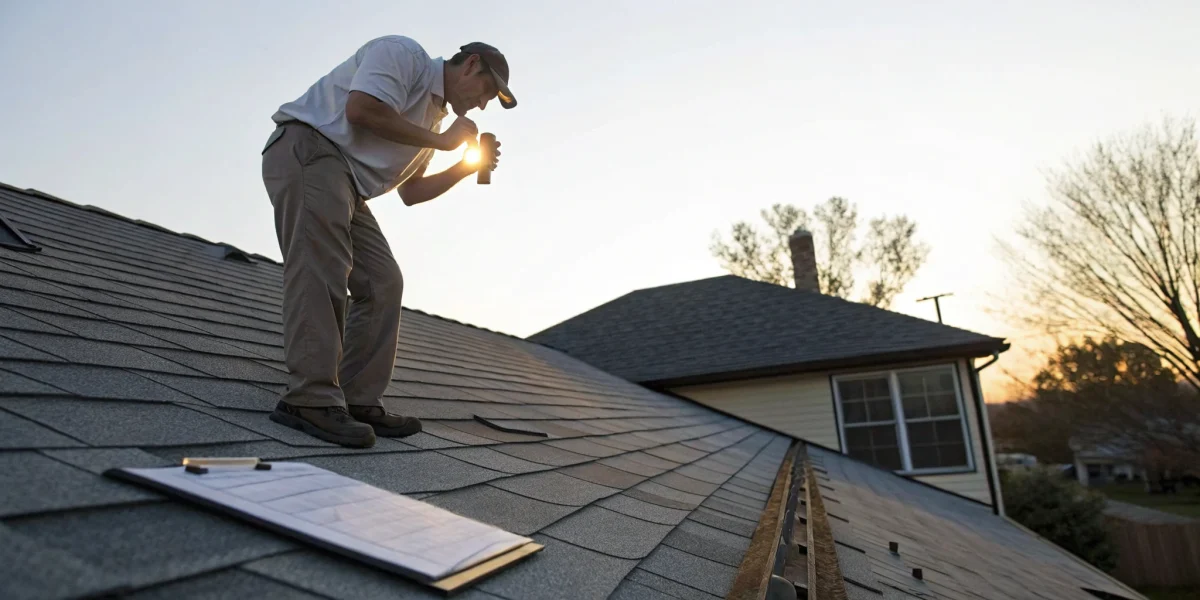
That nagging feeling that something might be wrong with your roof can be incredibly stressful. The uncertainty of not knowing the extent of the damage—or who to trust for an honest opinion—can feel overwhelming. Many homeowners get quotes from contractors only to be left confused by conflicting advice and high-pressure sales tactics. There is a better way to approach the problem. The first step toward clarity and confidence is knowing how to get an unbiased roof damage assessment. An independent inspector provides a clear, factual report without a sales agenda, giving you the peace of mind that comes from knowing exactly what’s going on and what truly needs to be done.
Key Takeaways
- Separate Inspection from Repair: The most critical step is hiring an independent inspector who has no financial stake in the repairs. This ensures the advice you receive is based solely on your roof’s actual needs, not a sales quota.
- Leverage Your Report for Better Outcomes: An unbiased inspection report is your key to a fair insurance claim and accurate contractor quotes. It provides the objective, third-party documentation you need to negotiate effectively and plan your budget with confidence.
- Demand Proof of Professionalism: Don’t hire an inspector without verifying their credentials. Always ask for proof of certification from a reputable organization like the NRCIA, as well as current liability insurance, to protect yourself and your property.
What Is an Unbiased Roof Damage Assessment?
An unbiased roof damage assessment is a straightforward, honest evaluation of your roof’s condition, conducted by an independent inspector. The key word here is independent. This means the inspector has no financial stake in the outcome of the assessment. Unlike a contractor who might also be looking to sell you a repair or replacement job, an independent inspector’s only goal is to give you the unvarnished truth. They aren’t motivated by the prospect of a big project; their job is simply to apply their expertise and tell you exactly what’s going on with your roof.
Think of them as a consultant working just for you. They use their knowledge of roofing materials, installation methods, and wear patterns to provide a clear, factual report. This approach removes the conflict of interest that can sometimes arise when the person inspecting the roof is also the one who stands to profit from the repairs. Whether you’re a homeowner, a real estate professional, or a property manager, getting an unbiased opinion is the first step toward making a smart, confident decision about your property. It ensures the recommendations you receive are based purely on the roof’s actual needs, not a sales quota.
Why an Independent Opinion Matters
Getting an independent opinion before you even think about hiring a contractor can save you a significant amount of money and stress. A certified inspector brings a specialized level of knowledge to the table, often backed by extensive education and training. They can identify subtle signs of damage that might be missed, as well as tell you when a “major problem” is actually just a minor fix. Their unbiased view means they only care about giving you the facts. This empowers you to negotiate with contractors from a position of knowledge, ensuring you only pay for the work that’s truly necessary.
The Hidden Costs of a Biased Report
On the flip side, a biased report can come with serious hidden costs. When an inspector has an incentive to sell you a new roof, they might exaggerate minor issues or overlook simple repairs in favor of a full replacement. Spotting roof inspection red flags early can save you from future leaks, mold problems, insulation failures, or even structural damage. A small, overlooked issue today can easily become a catastrophic and expensive failure down the road. An unbiased assessment acts as a crucial preventative measure, protecting your home and giving you the peace of mind that comes with a truly LeakFREE® roof.
Why You Need an Unbiased Roof Assessment
When you’re dealing with a potential roof problem, the first report you get can set the course for thousands of dollars in repairs and insurance claims. But not all assessments are created equal. The difference between a report from a roofing contractor and one from an independent inspector can be huge. A biased assessment might be influenced by a sales incentive, leading you to pay for work you don’t need or miss out on a fair insurance settlement. This is where an unbiased assessment becomes your most valuable asset.
An unbiased roof assessment is a straightforward, factual evaluation of your roof’s condition from a professional who has no financial stake in the repairs. Their only job is to give you the truth, not to sell you a new roof. This objective viewpoint is your best tool for making sound financial decisions, whether you’re a homeowner filing a claim, a property manager budgeting for maintenance, or a real estate agent closing a deal. With a clear, unbiased report in hand, you can confidently plan your next steps, negotiate with contractors, and ensure you’re only paying for what’s truly necessary. It removes the guesswork and the sales pressure, putting you firmly in control of the process.
Ensure Fair Insurance Claims
Filing an insurance claim for roof damage can feel like an uphill battle. Your insurance provider needs detailed, credible proof of the damage before they’ll approve a claim. After a storm, it’s crucial to get a professional inspection even if you don’t see obvious problems, as an expert can spot hidden issues that could lead to major leaks later. An independent inspector provides the objective documentation you need, including photos and clear explanations of the damage. Because they aren’t trying to sell you a new roof, their report serves as a powerful, third-party validation of your claim, helping you secure a fair settlement from your insurance company.
Avoid Unnecessary Repairs and Costs
We’ve all heard stories of a small repair job turning into a full, expensive roof replacement. This often happens when the person diagnosing the problem is also the one selling the solution. An independent inspector’s only incentive is to provide an accurate assessment. They don’t work for a roofing company, so they won’t pressure you into buying services you don’t need. This separation of inspection and repair is your best defense against inflated costs. An honest opinion from a certified professional ensures you understand the true condition of your roof and can confidently seek quotes for only the necessary work, protecting your budget from unnecessary expenses.
Make Smart Repair or Replacement Decisions
Choosing to repair or replace your roof is one of the biggest decisions you’ll make as a property owner. Starting the process with an independent inspection can save you a significant amount of money in the long run. This assessment gives you a reliable baseline before you even talk to a contractor. You can then provide the report to multiple roofing companies to get apples-to-apples quotes for the exact same scope of work. This approach puts you in control of the conversation. An unbiased report is also an invaluable asset for real estate professionals and homeowners, providing clear documentation of a roof’s condition during property sales and appraisals.
Who Should Assess Your Roof’s Damage?
When you suspect your roof has a problem, figuring out who to call first is a critical step. The person you choose to assess the damage will shape your next steps, from filing an insurance claim to scheduling repairs. It’s a decision that directly impacts your wallet and the long-term health of your home. You need an expert who can give you a clear, honest, and accurate picture of your roof’s condition without a hidden agenda. The right professional provides a detailed diagnosis, while the wrong one might lead to unnecessary repairs or a denied insurance claim. Let’s break down your options so you can make a confident choice.
The Role of NRCIA Certified Inspectors
An NRCIA certified inspector is your best bet for a truly objective and thorough roof assessment. As the industry authority in LeakFREE® roof protection, the NRCIA has been setting the standard for inspections since 1995. Our certified inspectors aren’t there to sell you a new roof; they’re there to provide a detailed, fact-based evaluation of its current condition. This certification gives you peace of mind, knowing the report you receive is based on a standardized, expert-level process. It simplifies everything from buying or selling a home to navigating the complexities of an insurance claim, ensuring you have credible documentation to support your case.
Independent Inspector vs. Contractor: What’s the Difference?
It’s important to understand the difference between an independent inspector and a roofing contractor. An independent inspector’s primary job is to evaluate your roof and provide an unbiased report on its condition. They work for you. A roofing contractor’s primary job is to sell and perform repair or replacement services. While many contractors are honest, their business model is based on completing the work they recommend. An independent inspector is paid for their time and expertise in creating the report, not for any repairs that might follow. This removes the financial incentive to find problems that aren’t there, making their assessment more trustworthy.
Watch Out for Conflicts of Interest and “Free” Inspections
Be cautious of “free” roof inspections offered by contractors. While it sounds like a great deal, this is often a sales tactic designed to get a foot in the door. The person performing the inspection has a vested interest in finding damage to generate a repair job. This conflict of interest can lead to inflated quotes or recommendations for work you don’t actually need. This is especially true after a major storm when “storm chasers” appear, so always check references and reviews. A paid inspection from a certified, independent professional is an investment in an honest assessment that serves the best interests of all property stakeholders.
What to Look for in a Roof Inspector
Finding the right roof inspector can feel like a big task, but it’s one of the most important decisions you’ll make for your property. The right professional provides a clear, unbiased picture of your roof’s health, saving you from unnecessary expenses and future headaches. A great inspector isn’t just looking for damage; they’re giving you the information you need to protect your investment. To make sure you’re hiring a true expert, focus on three key areas: their qualifications, their experience, and their professional standing.
Key Certifications and Training
When you hire a roof inspector, you’re paying for their expertise. That’s why certifications are so important—they’re proof that an inspector has the right knowledge to do the job correctly. Look for an inspector who has completed comprehensive training programs and holds a current certification from a reputable organization. This ensures they understand modern roofing systems, materials, and proper inspection techniques. More importantly, a certified independent inspector provides an honest assessment because they have no financial stake in the repairs. Their only job is to give you the facts, not to sell you a new roof.
Proven Experience and Specializations
Experience is just as critical as training. An inspector who has been on hundreds of roofs will spot subtle signs of damage that a less experienced person might miss. Look for inspectors who are members of professional associations like the NRCIA. Our members are held to high standards and are committed to providing top-quality service. Some inspectors also have specializations. For example, if you own a commercial building or a multi-family property in California, you’ll want an inspector familiar with the specific requirements for SB 721 inspections. Finding someone with the right experience for your specific property type is key.
Verify Their Insurance and Bonding
Never hire an inspector without first verifying that they are fully insured and bonded. This is a non-negotiable step that protects you from liability if an accident happens on your property. Ask for a certificate of insurance and don’t hesitate to call the insurance company to confirm the policy is active. This is especially important after a major storm when “storm chasers” may appear, offering quick, low-cost inspections. A reputable inspector will always be transparent about their credentials and insurance. This diligence ensures you’re working with a true professional who can help you secure a LeakFREE® certified roof.
How to Find a Qualified Independent Inspector
Finding the right person to assess your roof damage can feel like a big task, but it’s one of the most important decisions you’ll make for your property. You’re not just looking for someone with a ladder and a clipboard; you’re looking for a qualified, independent expert who will give you an honest, unbiased report. A great inspector works for you and you alone, providing the clear, factual information you need to make smart decisions about repairs, replacements, or insurance claims. Let’s walk through how to find a professional you can trust.
Use Professional Directories
Think of professional directories as your curated list of pre-vetted experts. When you need an unbiased opinion on your roof’s condition, an independent inspector is your best bet. They aren’t trying to sell you a new roof or expensive repairs; their only job is to give you the facts. This is why starting your search with a reputable organization is so helpful. The NRCIA, for example, maintains a network of certified professionals across the country who are committed to providing objective assessments. Using a directory ensures you’re connecting with inspectors who have already been vetted for their skills and professionalism.
How to Vet Your Inspector’s Credentials
Once you have a few names, it’s time to do a little homework. A truly qualified inspector will have the credentials to back up their expertise. Look for specific certifications that show they’ve completed rigorous training and education in roof inspection. For instance, NRCIA members are held to a high standard, follow a strict code of ethics, and are even rated on a 5-star system by clients like you. Don’t be shy about asking for proof of certification and insurance. A true professional will be proud to share their qualifications and happy to answer your questions.
Red Flags to Watch For
As you talk to potential inspectors, keep an eye out for a few warning signs. A major red flag is an inspector who immediately pushes for a full, expensive roof replacement without a detailed, data-backed explanation. Be cautious of anyone who also offers to perform the repairs themselves, as this creates a clear conflict of interest. A trustworthy inspector’s job is to assess, not to sell. Also, be wary of anyone offering a “free” inspection in exchange for signing a contract. A professional assessment is a service worth paying for, and it ensures the report you receive is truly for your benefit.
Key Questions to Ask Before You Hire
Choosing the right inspector is the most important step in getting an accurate roof assessment. Before you commit, it’s smart to have a list of questions ready. This helps you vet their qualifications, understand their process, and clarify costs upfront. A brief conversation can tell you a lot about their professionalism and whether they’re the right fit for your needs. Think of it as a mini-interview—you’re hiring an expert to protect one of your biggest assets.
Questions About Their Credentials and Process
First, you want to confirm the inspector is truly independent. An inspector who doesn’t work for a roofing contractor has no incentive to sell you unnecessary repairs; their only job is to give you an honest, unbiased opinion. Start by asking if they are affiliated with any contracting companies.
Next, inquire about their professional background. Ask, “What specific certifications and training do you have in roof inspection?” and “Can you provide proof of liability insurance?” This protects you in case of any accidents on your property. Understanding their qualifications ensures you’re working with a true professional who is accountable for their work and committed to industry standards.
Questions About Their Inspection and Reporting Methods
A thorough inspection goes beyond what you can see from the ground. Ask what their process looks like and what tools they use. A qualified inspector should use equipment like moisture meters and thermal cameras to detect hidden issues that the naked eye can’t see. You can ask, “What areas of the property do you inspect?” An NRCIA inspector, for example, performs a detailed five-zone inspection that covers the roof, attic, and other critical areas.
Also, clarify what to expect from their report. Ask, “What will the final report include, and when will I receive it?” A comprehensive report should contain detailed descriptions of any issues, supporting photos, and clear recommendations. A professional should be able to deliver this report within 24 to 48 hours.
Questions About Costs and Timelines
While some contractors offer “free” inspections, a truly unbiased assessment is a professional service that you pay for. Ask for a clear price for the inspection and the final report. A typical roof inspection can cost anywhere from $120 to over $400, depending on your location and the size of your roof. Be sure to ask, “Are there any other potential fees I should know about?”
Finally, get a clear timeline. Ask how long the on-site inspection will take and confirm when you can expect the report. Knowing these details helps you plan accordingly and ensures there are no surprises. Investing in a paid inspection from a certified professional gives you the peace of mind that comes with an objective, expert evaluation.
What to Expect During the Inspection
A professional roof inspection is a comprehensive health check for your roof. An inspector will closely examine every component to assess its condition and identify any potential problems, from minor wear and tear to significant damage. This isn’t just a quick glance from the street; a proper assessment involves getting on the roof and often looking inside your attic to get the full picture of its structural integrity and performance.
Understanding the inspection process helps you know what you’re paying for and how to interpret the results. A qualified inspector will follow a systematic approach, using specific tools and documentation methods to give you a clear, unbiased report. This information is critical whether you’re dealing with an insurance claim, buying a new home, or simply planning for future maintenance. Knowing what a thorough inspection looks like will help you feel confident in the findings and the decisions you make based on them.
How to Prepare for the Inspection
A little preparation can make the inspection process smoother and more effective. Start by ensuring the inspector has clear access to all areas of the roof, including any ladders or entry points. If you have an attic, make sure the access hatch is unobstructed. It’s also helpful to gather any documents you have related to your roof, such as its age, warranty information, or records of past repairs.
It’s also important to be clear about your goals. If you’re seeking an independent assessment to understand your roof’s condition and aren’t planning immediate repairs, communicate this upfront. This sets the right expectation and helps ensure the report you receive is purely diagnostic. This clarity is especially important when working with an independent inspector whose primary role is to provide an objective evaluation, not to sell you on repair services.
Tools and Techniques They’ll Use
A modern roof inspection goes far beyond what the naked eye can see. Certified inspectors use a range of specialized tools to detect hidden issues that could lead to major problems down the road. For example, moisture meters can identify dampness within the roof structure that isn’t visible on the surface, while thermal imaging cameras can pinpoint areas of heat loss or water intrusion by detecting temperature differences.
In addition to these handheld tools, many inspectors now use drones to get a safe and detailed view of hard-to-reach areas, steep slopes, or complex rooflines. This technology allows for a comprehensive visual check without the risk of causing damage by walking on fragile tiles. The use of advanced inspection software helps organize these findings into a clear, professional report, ensuring no detail is overlooked.
The Importance of Photos and Detailed Notes
The final inspection report is the most valuable part of the service. A verbal summary isn’t enough; you need a detailed written document supported by clear evidence. A quality report will always include high-resolution photos of the entire roof, with specific images highlighting any areas of concern. Each photo should be accompanied by detailed notes explaining what the issue is, why it’s a problem, and what the recommended course of action is.
This documentation is your proof of the roof’s condition at a specific point in time. It’s essential for filing an accurate insurance claim, negotiating with a home seller, or getting precise quotes from contractors. For homeowners, this detailed record is the foundation for creating a maintenance plan and protecting their investment, ensuring their roof remains in top condition and qualifies for programs like a LeakFREE® certification.
How to Read Your Inspection Report
Once the inspection is complete, you’ll receive a detailed report. This document is your roadmap to understanding your roof’s condition, and while it might seem technical at first, it’s designed to give you clarity and confidence. Think of it as a health check-up for your roof. A professional inspection is a smart way to protect your home and belongings from weather damage, and the report is the key to taking action. Finding and fixing small roof problems early can prevent them from becoming much bigger, more expensive issues later on. This document empowers you to plan your next steps, whether you’re dealing with your insurance company, hiring a contractor, or simply budgeting for future maintenance. It translates complex roofing terms into plain language and provides high-quality photos so you can see exactly what the inspector saw. With this document in hand, you’re no longer guessing about the state of your roof; you have a factual, evidence-based assessment to guide you. It’s your key to moving forward, ensuring that any money you spend on repairs is necessary and effective. The goal is to give you control over the situation, backed by the expertise of a professional who has your best interests at heart, not a sales agenda.
Key Sections of the Report
A professional roof inspection report is designed to be clear and comprehensive. It typically breaks down into a few key sections. You’ll usually find a summary at the beginning that gives you the high-level overview of the findings. Following that, a detailed analysis will cover each component of your roof system—from the shingles and flashing to the gutters and ventilation—often supported by high-quality photos. This visual evidence is crucial for understanding the exact nature and location of any issues. Finally, the report will include a list of recommendations, helping you understand what needs to be done. Some reports, like those generated with NRCIA’s inspection software, are standardized to make this information easy to find and understand.
How to Prioritize Repairs
Your report might list several different issues, so the next step is to figure out what to tackle first. A good report will help you by categorizing repairs by urgency. Start by focusing on anything labeled as critical or urgent, such as active leaks or significant structural damage that could compromise your safety. Next, look at issues that are recommended for repair. These are problems, like cracked flashing or damaged shingles, that will likely worsen over time and lead to more serious damage if ignored. Finally, you’ll see minor maintenance items that are good to address but aren’t immediate threats. An independent inspection gives you the peace of mind that this priority list is based on your roof’s actual needs, not a sales quota.
Common Misconceptions About Roof Damage
It’s easy to fall for common myths about roof damage, but your inspection report will give you the facts. One major misconception is that a small leak is a minor problem. In reality, even a tiny drip can lead to widespread rot, mold, and structural decay over time. Another is that you can spot all roof damage from the ground. Many serious issues are only visible up close. Your report also serves as critical documentation for insurance claims. Adjusters look for specific evidence of damage, and a detailed, unbiased assessment from a certified inspector provides the proof you need to support your claim and ensure you get a fair outcome. This is why getting an honest opinion without a sales pitch is so important.
When to Get a Second Opinion
Even with a thorough initial inspection, there are times when getting a second opinion isn’t just a good idea—it’s essential for protecting your property and your wallet. Trusting your gut is important, but knowing the specific signs that point to a needed second look can save you from unnecessary expenses and stress. If an assessment leaves you with more questions than answers, or if the recommended solution feels disproportionate to the problem, it’s time to call in another expert. This step ensures you have a complete and accurate picture of your roof’s health before making any major financial decisions.
Signs You Need Another Look
Your intuition is a powerful tool. If a contractor immediately pushes for a full roof replacement without a detailed explanation, or if their assessment feels rushed, it’s a major red flag. A conflict of interest often exists when the person inspecting your roof also profits from the repairs. They might be motivated to find problems that aren’t there or exaggerate minor issues. This is especially true if you were offered a “free” inspection that resulted in a surprisingly expensive quote.
Beyond a gut feeling, there are tangible signs to watch for. Look for visible damage yourself, like water stains on your ceiling, missing or cracked shingles, or dented gutters. If a contractor’s report omits damage you can clearly see, or if they claim there are major issues but can’t provide clear photographic evidence, you should be skeptical. A trustworthy assessment should align with the physical evidence and provide comprehensive documentation to back up its findings.
How to Compare Multiple Reports
When you have multiple assessments in hand, the goal is to find the most accurate and objective one. The best way to do this is by including a report from a certified, independent inspector who has no financial stake in the repair work. These professionals provide an honest, unbiased opinion on your roof’s condition because their job is to assess, not to sell. An NRCIA certified inspector is trained to deliver a standardized, detailed report you can trust.
Lay the reports side-by-side and look for consistency. Do they identify the same problem areas? Are the recommended solutions similar? Pay close attention to the details and the evidence provided, such as photos and moisture readings. A vague report that simply says “roof needs replacement” is less reliable than one that methodically documents specific points of failure. If you’re getting quotes from contractors, be transparent and let them know you’re gathering information to make an informed decision. This helps set clear expectations and encourages them to provide their most competitive and honest assessment.
What to Do After Your Assessment
With your unbiased inspection report in hand, you have a clear, factual roadmap for what comes next. This document is your most powerful tool for making informed decisions, whether you’re planning minor repairs, a full replacement, or filing an insurance claim. It removes the guesswork and puts you in control of the process, helping you make smart choices about your property’s care and maintenance.
Plan Your Next Steps: Repairs and Budgeting
Think of your assessment as a guide to smart financial planning for your property. The inspector’s report will outline the roof’s condition, helping you prioritize what needs immediate attention and what can be scheduled for later. This allows you to budget effectively and address small issues before they escalate into costly emergencies.
Getting ahead of problems is always the best strategy. A certified inspection can identify potential vulnerabilities that, if fixed now, will save you significant money and stress down the road. This proactive approach is the core principle behind maintaining a healthy roof and protecting your investment. You can use the detailed findings to create a maintenance plan that extends your roof’s life and preserves your property’s value.
How to Work with Contractors and Your Insurer
When it’s time to hire a professional for repairs, your independent report serves as a clear scope of work. Use it to get precise, comparable quotes from several reputable, licensed, and insured contractors. Be wary of “storm chasers” who appear after severe weather with high-pressure tactics; a good contractor will respect your process and provide clear references.
If you’re filing an insurance claim, the unbiased assessment provides credible, third-party documentation of the damage. Before you call your insurer, review your policy to understand what’s covered—most policies cover damage from sudden events like storms but not issues from poor maintenance. Your detailed report will be invaluable in demonstrating the cause and extent of the damage, ensuring a smoother claims process for all property stakeholders.
Related Articles
- Hiring a Certified Roof Inspector for Insurance Claims
- Roof Inspection by NRCIA Certified Professionals
- Roof Inspection for Insurance Claim: A Guide
- Free Roof Inspection Report for Insurance PDF Template
- Top 5 Benefits of Regular Roof Inspections
Frequently Asked Questions
Why should I pay for an inspection when a roofing contractor will do one for free? A “free” inspection from a contractor is often a sales tool designed to generate a repair or replacement job. While many contractors are reputable, their primary business is selling roofing services, which creates a natural conflict of interest. Paying for an assessment from a certified, independent inspector means you’re investing in an unbiased, expert opinion. Their only job is to give you the facts about your roof’s condition, not to sell you a project.
Is an independent roof inspection really worth the cost? Absolutely. The fee for an independent inspection can save you thousands of dollars in the long run. It protects you from paying for unnecessary repairs or a full replacement when a smaller fix would suffice. It also provides you with a detailed, factual report that you can use to get accurate, apples-to-apples quotes from multiple contractors. Think of it as a small investment that gives you the knowledge and confidence to make a much larger financial decision wisely.
What’s the main difference between what an independent inspector and a roofing contractor provides? The key difference is their role and motivation. An independent inspector’s job is to provide a comprehensive and objective diagnosis of your roof’s health. They work for you to deliver factual information. A roofing contractor’s job is to perform the actual repair or replacement work. An inspector gives you a clear roadmap of what needs to be done, while a contractor provides the service to do it. Separating these two roles ensures the recommendations you receive are based purely on need, not on a sales incentive.
How exactly does an unbiased report help with an insurance claim? An unbiased report from a certified inspector serves as credible, third-party documentation for your insurance company. Because the inspector has no financial stake in the outcome of the claim or the subsequent repairs, their assessment is viewed as objective proof of the damage. This detailed report, complete with photos and professional notes, strengthens your claim and helps ensure you receive a fair and accurate settlement without unnecessary delays or disputes.
What if I get an inspection and the report says my roof is fine? A clean bill of health for your roof is the best possible outcome. It means you have professional confirmation that your property is well-protected and you don’t have to worry about unexpected issues. The report still provides immense value as a baseline document of your roof’s condition at a specific point in time. This can be incredibly useful for future maintenance planning or even for a future insurance claim if damage occurs later. You’ve essentially paid for peace of mind and certainty.
