
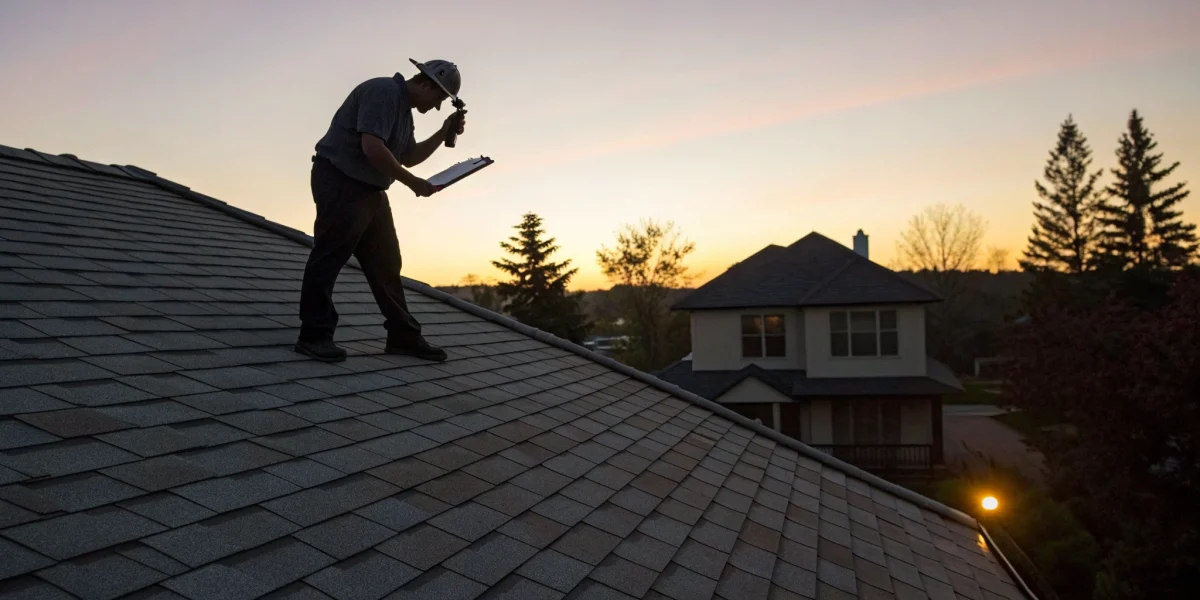
Did you know your insurance provider might require a roof inspection even if there’s no damage? As roofs age, typically around the 15- to 20-year mark, many insurers mandate a professional assessment to continue coverage. This is all about managing risk. They need to know your roof is in good condition to keep your policy active and your premiums stable. Working with insurance approved roof inspection companies ensures you meet these requirements. A certified inspector provides the credible, detailed documentation your insurer needs, helping you stay compliant, avoid policy issues, and get a clear picture of your roof’s health for the years ahead.
Key Takeaways
- Choose Credibility for a Smoother Claim: “Insurance-approved” isn’t a formal title, but a sign of trust. A certified inspector provides a detailed, unbiased report that insurers take seriously, which helps prevent claim delays and denials.
- Do Your Homework Before Hiring: Always verify an inspector’s credentials, including state licensing, insurance, and professional certifications. Asking for a sample report ensures their work meets the high documentation standards required for a successful claim.
- A Detailed Report Maximizes Your Settlement: The comprehensive report from a certified inspector is your primary evidence. It documents all damage—even subtle issues—which justifies the full cost of repairs and strengthens your position when negotiating with the insurance adjuster.
What Makes a Roof Inspector “Insurance-Approved”?
The term “insurance-approved” isn’t an official designation you’ll find on a business card. Instead, it’s a way of describing an inspector who meets the high standards that insurance companies trust. When an insurer needs to assess the risk of covering a property, they want a report from someone they know is thorough, unbiased, and professional. It’s all about credibility. An insurance-approved inspector provides a detailed, accurate assessment that helps the insurer understand the roof’s current condition and potential for future issues. This level of detail is crucial for everything from underwriting a new policy to processing a claim after a storm. Think of it as a seal of quality that tells the insurance company they can rely on the inspector’s findings to make sound financial decisions.
The Right Licenses and Certifications
First, let’s cover the basics. At a minimum, any inspector you hire should have valid licensing for your state, be bonded, and carry their own insurance. These are the non-negotiables that protect you and them. But insurance companies often look for more. They favor inspectors who have gone the extra mile with specialized training and certifications. Credentials from a respected national organization show a commitment to the profession and a deep understanding of modern roofing systems and inspection techniques. This is where programs like the NRCIA’s inspector training come in, as they equip professionals with the skills to meet and exceed these industry expectations.
Adherence to Industry Standards
An insurer needs more than just a thumbs-up or thumbs-down on a roof. They need a detailed, consistent report that clearly documents the roof’s condition. An insurance-approved inspector understands this and follows strict industry standards for every assessment. Their reports are the cornerstone of a successful insurance claim, providing the technical documentation needed to verify damage. This means clear photos, precise measurements, and specific notes on any wear, tear, or storm damage. Using tools like specialized inspection software helps create these comprehensive, standardized reports that leave no room for guesswork, making the entire process smoother for both you and your insurer.
Proper Insurance and Liability Coverage
From an insurer’s point of view, a roof inspection is all about managing risk. A well-maintained roof is less likely to lead to a costly claim down the road. That’s why they often require inspections on older roofs—typically those between 15 and 20 years old. The inspector’s job is to provide a clear, objective assessment of that risk. To be trusted with this task, the inspector must also be properly insured themselves. This includes carrying General Liability and Errors & Omissions (E&O) insurance. This coverage protects everyone involved if a mistake is made during the inspection, showing a level of professionalism and accountability that insurance companies rely on.
Why Hire an Insurance-Approved Roof Inspector?
When your roof is damaged, the last thing you want is a long, drawn-out battle with your insurance company. Hiring an inspector who is recognized and trusted by insurers can make all the difference. It’s not just about getting an inspection; it’s about getting a credible, detailed assessment that streamlines the entire claims process and helps you secure the best possible outcome. An insurance-approved inspector acts as your expert advocate, providing the proof and professionalism needed to get your claim approved without unnecessary headaches. They bridge the gap between you and your insurer, ensuring everyone is on the same page from the very beginning.
Experience a Smoother Claims Process
Navigating an insurance claim can feel overwhelming, but a certified inspector simplifies the journey. They know exactly what documentation your insurance provider needs to process a claim efficiently. Professional storm damage assessments provide the detailed records that insurers require, capturing both visible and hidden issues to create a complete picture of the damage. This thoroughness minimizes the back-and-forth with your adjuster, preventing delays and helping you get your roof repaired faster. With a comprehensive report from a trusted professional, you can move forward with confidence, knowing your claim is built on a solid foundation of clear, indisputable evidence.
Build Credibility with Your Insurer
When you submit a claim, you want the insurance adjuster to take it seriously from the start. A report from a certified inspector immediately establishes credibility. These professional reports serve as the cornerstone of a successful claim, providing the technical documentation that strengthens your position. An inspector with an NRCIA certification brings a level of authority that an ordinary contractor or homeowner simply can’t match. Their findings are based on industry standards and unbiased expertise, which gives your insurer the confidence to approve the claim without questioning the validity of the damage assessment.
Maximize Your Claim Settlement
Getting your claim approved is one thing; getting the full amount you’re entitled to is another. Proper documentation is absolutely necessary for successful roof insurance claims, as it provides the specific evidence needed to support damage assessments and maximize settlement amounts. A trained inspector can identify subtle or underlying damage that might otherwise be overlooked, ensuring every issue is included in your claim. Their detailed reports justify the true cost of repairs, preventing you from settling for less and having to pay for missed damages out of pocket. This expert validation ensures you have the support you need to restore your roof completely.
How to Find the Right Insurance-Approved Inspector
Finding an inspector who is well-regarded by insurance companies isn’t just about ticking a box; it’s about setting your claim up for success. The right professional brings credibility and expertise, ensuring their findings are taken seriously. This means you need someone who not only knows roofs but also understands what insurers need to see to approve a claim. Taking the time to vet your options will save you headaches and potentially thousands of dollars down the road.
Key Qualifications to Verify
Before you hire anyone, you need to confirm they have the right credentials. At a minimum, an inspector should have valid licensing for your area, be bonded, and carry their own liability insurance. This protects both you and them during the inspection. Beyond the basics, look for a certified inspector who follows a strict set of industry standards. Certification shows a commitment to professionalism and ensures the inspector provides the kind of unbiased, detailed evidence that insurance companies require to process a claim without unnecessary delays. An inspector with proven qualifications is your best asset in these situations.
Questions to Ask Before You Hire
Don’t be shy about interviewing a potential inspector. Start by asking about their experience with claims similar to yours and with your specific insurance provider. Insurers often have certain thresholds that trigger inspection requirements based on a roof’s age, so an experienced inspector will be familiar with these rules. Ask to see a sample report to understand the level of detail they provide. You should also inquire about the tools they use, as modern inspection software can produce the clear, comprehensive documentation needed to support your claim effectively.
Red Flags to Watch Out For
Knowing what to avoid is just as important as knowing what to look for. A major red flag is an inspector who is vague about their process or seems unwilling to provide detailed documentation. A professional report is the foundation of a successful insurance claim, giving you the technical evidence needed during negotiations. If an inspector downplays the importance of a thorough report or can’t provide a clear example of their work, it’s best to walk away. This lack of professionalism could signal that their findings won’t hold up under the scrutiny of an insurance adjuster, putting your claim at risk.
What to Expect During Your Roof Inspection
Knowing what happens during a roof inspection can take a lot of the stress out of the process. When you hire a certified professional, you’re not just getting someone to climb a ladder and look around; you’re getting a systematic evaluation of your entire roofing system. The goal is to identify any existing issues, flag potential problems, and give you a clear, comprehensive picture of your roof’s health. This information is invaluable, whether you’re dealing with an insurance claim, buying a new home, or simply staying on top of maintenance.
An insurance-approved inspection follows a structured approach to ensure nothing is missed. The inspector acts as a neutral third party, documenting the roof’s condition with an expert eye. They know exactly what insurance carriers look for when assessing risk or validating a claim. From the initial scheduling call to the final report, the entire experience is designed to be thorough and transparent. You should feel confident that you understand every step and are empowered by the final results. A quality inspection gives you the facts you need to protect your home and make smart financial decisions.
Scheduling and Preparation
Getting your inspection on the calendar is the first step. It’s a good idea to be proactive, especially since most insurers require inspections once a roof is between fifteen and twenty years old. When you call to schedule, the inspector’s office will likely ask a few basic questions about your home, your roof’s age, and any specific concerns you have, like a recent storm or a visible leak.
To prepare for the inspector’s visit, you can take a few simple steps. Clear any obstacles like patio furniture, grills, or vehicles from the perimeter of your home to give them safe access. If you have pets, it’s best to keep them secured indoors. It’s also helpful to gather any relevant documents, such as records of past repairs or your current insurance policy. This preparation ensures the inspector can work efficiently and focus on providing a thorough assessment for your LeakFREE® roof.
The Comprehensive On-Site Assessment
On the day of the inspection, the certified professional will conduct a detailed assessment of your roof from top to bottom. This isn’t just a quick glance from the ground. The process typically starts with an exterior evaluation, where the inspector will get on the roof to examine the condition of the shingles, flashing, vents, and gutters. They’ll look for signs of wear and tear, storm damage like hail impacts or missing shingles, and any installation errors.
Insurance companies require a roof inspection to assess risk, and a detailed assessment provides the necessary documentation. The inspector will also check the interior, usually by looking in the attic for signs of water intrusion, inadequate ventilation, or structural issues. This complete approach ensures that their report accurately reflects the roof’s condition, which is critical for processing insurance claims effectively. The training NRCIA inspectors receive prepares them to spot even the most subtle signs of damage.
Receiving Your Detailed Report
After the on-site assessment is complete, you’ll receive a comprehensive inspection report. This document is the cornerstone of a successful insurance claim, so it needs to be detailed and easy to understand. A professional report will include high-resolution photos of any damage or areas of concern, along with clear, written descriptions of the findings. It should outline the overall condition of your roof, identify any necessary repairs, and provide recommendations for moving forward.
This documentation is absolutely necessary for successful roof insurance claims. It provides your insurer with the specific evidence needed to validate your claim and can strengthen your position during negotiations with an adjuster. An inspector who uses professional inspection software can deliver a clean, organized report that presents all the critical information in a standardized format. This level of detail and professionalism makes the entire claims process smoother for everyone involved.
The Risks of Using a Non-Approved Inspector
Choosing an inspector who isn’t recognized or approved by insurance carriers can create significant headaches. While it might seem like a way to save time or money upfront, the potential consequences can be far more costly in the long run. From rejected claims to policy complications, the risks associated with using a non-approved inspector can jeopardize your property’s protection and your financial well-being.
Facing Claim Denials and Delays
When you file an insurance claim, your insurer needs specific, detailed evidence to approve it. A thorough inspection report is the backbone of your claim, documenting everything from obvious storm damage to hidden issues. If you work with an inspector who isn’t approved or recognized by insurers, their report might lack the necessary detail or fail to meet industry standards. This can lead to frustrating back-and-forth with your insurance company, significant delays, or even an outright denial of your claim. Without the right documentation, you’re left without the proof needed to get your repairs covered. A properly documented roof, like one with a LeakFREE® certification, provides the clear evidence insurers look for.
Dealing with Policy Issues or Higher Premiums
Insurance companies are all about managing risk. They use roof inspections to determine how likely it is that your roof will have problems in the future. A report from a credible, certified inspector gives them confidence that your roof is a safe bet. On the other hand, a report from an unverified source can be a red flag. The insurer may question its accuracy and assume the worst, classifying your property as high-risk. This can lead to a sudden spike in your premiums or, in some cases, the refusal to renew your policy altogether, especially if your roof is approaching 15 or 20 years of age. Working with professionals who understand what insurers need helps keep your policy secure and your rates fair.
Exposing Yourself to Legal and Financial Liability
Your roof inspection report is more than just a summary of your roof’s condition; it’s a crucial piece of evidence in your negotiations with an insurer. A detailed report from a certified professional strengthens your position and provides the technical documentation needed to justify your claim amount. If you use a non-approved inspector, their findings may not hold up under scrutiny from an experienced adjuster. This leaves you in a weak negotiating position, potentially forcing you to accept a much lower settlement than you deserve. Ultimately, this can leave you paying for a large portion of the repairs out of pocket. Proper inspector training is what makes the difference in these critical moments.
How Approved Inspectors and Insurers Work Together
When you hire an insurance-approved inspector, you’re not just getting a report; you’re bringing in a professional who understands how to work with insurance companies. This collaboration is built on a foundation of trust, clear standards, and a shared goal: to accurately assess the condition of your roof. A certified inspector acts as a crucial bridge, translating the physical details of your roof into the specific language and documentation that insurers need to process a claim efficiently. This partnership ultimately benefits you, the property owner, by creating a smoother, more transparent process from start to finish.
Establishing Clear Communication
The key to a smooth insurance claim is clear and objective communication, and that’s exactly what a certified inspector provides. Think of their report as the official record of your roof’s condition. It’s filled with detailed photos, precise measurements, and expert analysis that leave no room for ambiguity. This level of detail is exactly what insurance adjusters need to validate a claim without unnecessary delays. Professional inspector training focuses heavily on creating documentation that is both thorough and easy for insurers to understand. By presenting the facts clearly and professionally, the inspector ensures the conversation with the insurer is productive and focused on a fair resolution.
Following Standardized Reporting and Timelines
Insurance companies handle a massive volume of claims, so they rely on standardized procedures to maintain efficiency. An approved inspector knows these procedures inside and out. They use industry-accepted formats and specialized inspection software to create reports that align perfectly with what adjusters expect to see. This consistency makes it easier for the insurer to review your claim, compare it to their guidelines, and move it forward. Following standards also applies to timelines. Whether it’s performing a routine inspection on an aging roof or assessing storm damage, a certified inspector works within the timelines required by insurers, helping you stay in compliance with your policy.
Ensuring Quality and Follow-Up
For an insurer, a roof inspection is all about assessing risk. A high-quality, detailed report from a trusted inspector gives them confidence in their assessment, which can lead to better outcomes for you. This is where the commitment to quality truly matters. For example, NRCIA inspectors can offer LeakFREE® roof certifications, which provide a warranty against leaks. This certification is a powerful signal to insurers that the roof is a low-risk asset. The collaboration doesn’t end when the report is submitted, either. A professional inspector remains available to answer follow-up questions from the adjuster, providing clarifications that keep the claim process moving smoothly toward resolution.
Find Your Certified Roof Inspection Partner
When you’re looking for a roof inspector, your insurance company’s requirements should be top of mind. Insurers often mandate inspections to assess the level of risk your property presents. A well-maintained roof is seen as a lower risk for future damage, which can directly impact your coverage and premiums. Choosing a certified inspector who understands what insurance carriers look for is the first step toward a smooth and successful process.
Many insurance companies have specific triggers that require a roof inspection, with age being one of the most common. If your roof is approaching the 15- or 20-year mark, your provider will likely ask for a professional assessment to continue your coverage. A certified inspector can provide an accurate evaluation that satisfies these age-based requirements and gives you a clear picture of your roof’s remaining lifespan. This proactive approach helps you stay ahead of potential issues and keeps your policy in good standing.
Beyond just checking boxes for age, a high-quality inspection provides the detailed documentation your insurer needs to process claims effectively. A certified professional is trained to spot both obvious and hidden damage, from storm impact to slow leaks, and compile it all into a comprehensive report. This level of detail is crucial for validating your claim and ensuring you get the settlement you deserve without unnecessary delays. We understand how to create clear and reliable processes for a wide range of property stakeholders, from homeowners to insurance carriers.
Ultimately, partnering with a certified professional ensures your inspection report will hold up to scrutiny. It helps you secure a LeakFREE® roof that not only satisfies insurer requirements but also gives you lasting peace of mind.
Related Articles
- Protect Your Warranty: Find a Certified Roof Inspector
- Roof Inspection by NRCIA Certified Professionals
- Hiring a Certified Roof Inspector for Insurance Claims
- Roof Inspection for Insurance Claim: A Guide
Frequently Asked Questions
Is “insurance-approved” an official title I should look for? Think of it less as a formal title and more as a reputation. There isn’t a specific certificate that says “insurance-approved.” Instead, it describes an inspector who has the training, certifications, and professional standards that insurance carriers trust. Their reports are known to be thorough, unbiased, and clear, which is exactly what an insurer needs to confidently assess risk or process a claim.
My insurance company hasn’t asked for an inspection. Should I get one anyway? It’s a smart move, especially if your roof is over 15 years old. Many insurers require an inspection around that age to continue coverage, so being proactive puts you ahead of the game. A professional assessment gives you a clear understanding of your roof’s condition, allowing you to address small issues before they turn into major problems and providing you with valuable documentation for the future.
What makes a report from a certified inspector different from a quote from a roofer? This is a crucial distinction. A certified inspector provides a neutral, fact-based assessment of your roof’s condition. Their report is designed to be objective evidence. A roofer’s quote, on the other hand, is primarily a sales document that outlines the cost of specific repairs or a replacement. While a quote is necessary for the work itself, the inspector’s report is the unbiased documentation your insurer needs to validate your claim.
Will hiring an insurance-approved inspector guarantee my claim gets approved? While no inspector can guarantee an insurance company’s decision, hiring one significantly strengthens your position. Their job is to provide indisputable, professional evidence of your roof’s condition and any damage. This detailed documentation makes it much more difficult for an insurer to unfairly delay, underpay, or deny a valid claim. It’s about building the strongest possible case for your side.
How can I verify an inspector’s credentials and certifications? Don’t be afraid to ask for proof directly. A reputable inspector will gladly provide their state license number, proof of liability and E&O insurance, and information on their certifications. You can often confirm these credentials online with the issuing organization, such as checking an inspector’s active status with the NRCIA, to ensure you’re working with a true professional.
