
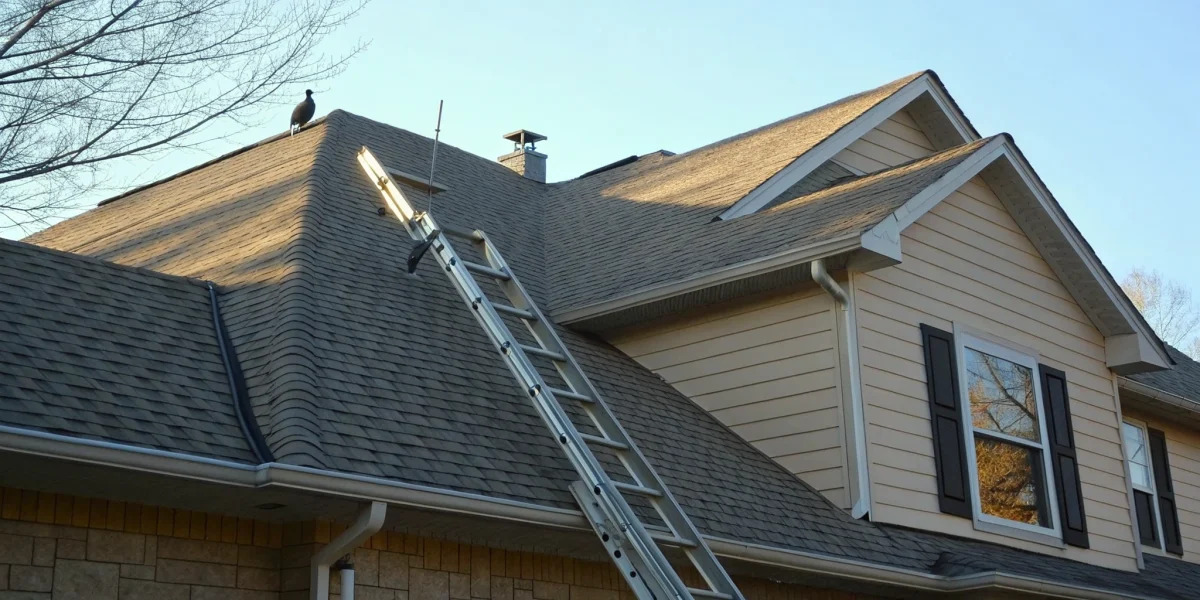
Have you ever noticed dark, sand-like granules in your gutters or seen a shingle on the edge of your roof starting to curl? These small details might seem insignificant, but they are often the first quiet warnings that your roof is aging and becoming vulnerable. Ignoring them is a gamble that can lead to leaks, water damage, and expensive repairs. The good news is that you don’t have to be a roofing expert to protect your home. A residential roof maintenance program provides the professional oversight needed to catch these issues early. It turns guesswork into a clear, actionable plan for preserving your roof’s health and integrity for years to come.
Key Takeaways
- Shift from Reactive Repairs to Proactive Care: A maintenance program acts as preventative medicine for your roof, allowing you to fix small, inexpensive issues before they become major disasters that damage your home and budget.
- Maximize Your Roof’s Lifespan and Protect Your Warranty: Consistent professional upkeep is the best way to get the full service life out of your roof and provides the documented service history required to keep most manufacturer warranties valid.
- Choose a Credentialed Professional for Real Peace of Mind: When selecting a program, prioritize companies with certified inspectors who provide detailed reports and clear communication, ensuring your home is protected by a qualified expert.
What Is a Residential Roof Maintenance Program?
Think of a residential roof maintenance program as a health and wellness plan for the most critical protector of your home. Instead of waiting for a leak to appear in your ceiling during a downpour, this proactive service helps you stay ahead of potential problems. It’s a structured plan where a professional regularly inspects and maintains your roof to catch minor issues before they become major, costly headaches. This consistent care is designed to preserve your roof’s condition, maximize its lifespan, and ensure it performs as it should, season after season.
For homeowners, this means fewer surprise repairs and the confidence that your home is secure. For real estate professionals and property managers, a documented maintenance history is a powerful tool that demonstrates a property has been well-cared for, protecting its value. A maintenance program shifts your approach from reactive repairs to proactive preservation, saving you stress and money over the long term. It’s one of the smartest investments you can make for your property, benefiting all the different stakeholders involved.
What Services Are Included?
A good roof maintenance program is thorough and covers all the bases to keep your roof in top shape. While specifics can vary, most plans include a core set of services. A certified inspector will typically clean leaves and small branches off the roof surface and clear out gutters and downspouts to ensure proper drainage. They’ll carefully check all roof penetrations—like vents, chimneys, and skylights—for failing seals or flashing.
The inspection also involves looking for subtle signs of wear and tear, such as loose or damaged shingles, exposed nail heads, and granule loss. Any minor issues found during the visit, like a nail pop, are often fixed on the spot. Afterward, you should receive a detailed report, complete with photos, that documents the roof’s condition and any recommended actions, helping you maintain a LeakFREE® roof.
How Does the Program Work?
Getting started with a roof maintenance program is usually a simple process. First, you’ll sign up for a plan with a qualified provider, which often works like a yearly subscription. You can choose a schedule that fits your needs, with most companies offering annual or semi-annual inspections. Once you’re enrolled, the provider will schedule your first visit.
During the appointment, a technician will perform the full inspection and maintenance checklist. If they find any issues that go beyond minor tune-ups, they’ll document them in their report and provide you with a separate quote for the repairs. This transparent process ensures you’re always in the loop and can make informed decisions. It’s a straightforward cycle of inspection, reporting, and preventative care that keeps your roof’s health on track, all performed by professionals with extensive training.
Why Invest in a Roof Maintenance Program?
Think of a roof maintenance program as a health plan for your home. It’s a proactive approach that keeps your roof in top condition, preventing small issues from turning into costly emergencies. Instead of waiting for a leak to appear in your ceiling, a maintenance program allows a professional to spot and fix potential problems before they ever start. This regular care is one of the smartest investments you can make, not just for your roof, but for the entire structure it protects. It’s about shifting from reactive repairs to proactive protection, giving you control over your home’s well-being and your budget.
Extend Your Roof’s Lifespan and Protect Your Warranty
Your roof is built to last for decades, but it needs a little help to reach its full potential. Regular maintenance is the key. When a professional inspects your roof, they can address the minor wear and tear that happens over time, ensuring every component functions as it should. This consistent care can add years to your roof’s life. Plus, most manufacturer warranties require proof of regular maintenance to remain valid. A maintenance program provides the documentation you need, ensuring you’re covered if a major issue arises. It’s the best way to get the full value out of your initial investment and maintain your LeakFREE® roof protection.
Save Money by Catching Problems Early
It’s a simple truth: preventing a problem is almost always cheaper than fixing one. By the time you notice a water stain on your ceiling, the damage has already spread through your attic, insulation, and drywall. A roof maintenance program helps you get ahead of these disasters. A trained inspector can spot a cracked shingle, failing sealant, or debris buildup that could lead to a major leak down the road. Addressing these small issues costs a fraction of what a large-scale water damage repair would. This proactive approach saves you money and protects your home from the silent, costly damage that often goes unnoticed until it’s too late.
Protect Your Home’s Value and Gain Peace of Mind
A well-maintained roof does more than just keep the rain out; it preserves your home’s value and enhances its curb appeal. When it comes time to sell, a roof with a documented history of professional maintenance is a major selling point for potential buyers. It shows that the home has been cared for and reduces their perceived risk. More importantly, it gives you incredible peace of mind. You can rest easy during heavy storms, knowing your home’s first line of defense is secure. Having a certified roof inspector regularly confirm that everything is in order removes the guesswork and worry from homeownership.
What Does a Roof Maintenance Program Cost?
When you’re thinking about signing up for a roof maintenance program, one of the first questions is usually about the cost. It’s helpful to think of it not as a bill, but as an investment in your home’s health and your own peace of mind. The price of a proactive maintenance plan is a small fraction of what you’d spend on major repairs or a full roof replacement down the line. While every home is different and there’s no one-size-fits-all price, understanding what goes into the cost can help you see the incredible value it offers.
The final price tag depends on a few key variables, from the size and style of your roof to the specific services included in the package. Most roofing companies offer different tiers of service, allowing you to choose a plan that fits your budget and your roof’s specific needs. An NRCIA-certified inspector can give you a detailed assessment, helping you understand the condition of your roof and what level of maintenance is right for you. By catching small issues like a loose shingle or clogged gutter before they cause leaks and water damage, a maintenance program essentially pays for itself over time. It’s about shifting from a reactive mindset—waiting for a disaster—to a proactive one that keeps your home secure year-round.
Factors That Influence the Price
The cost of a roof maintenance program is tailored to your specific property. A professional will consider several factors when putting together a quote for you. The most significant ones include the overall size of your roof and the materials it’s made from—for example, asphalt shingles, tile, and metal all have different maintenance requirements.
The roof’s complexity also plays a big role. A steep pitch, multiple levels, or features like skylights and chimneys require more time and care to inspect and service properly. Your geographic location can also affect the price due to local labor costs and building codes. Finally, the current condition of your roof is a key factor. An older roof that needs immediate attention may have a higher initial cost than a newer, well-maintained one. All these elements are assessed to ensure you get the right level of LeakFREE® roof protection.
Typical Costs and Service Schedules
While prices vary, many standard roof maintenance programs are surprisingly affordable. For a typical residential home, you might find plans that range from around $100 to $200 per year. These often include one or two inspections annually, along with basic services like debris removal and gutter cleaning. Some companies break it down to show just how budget-friendly it can be—costing less than a dollar a day to protect one of your home’s most critical assets.
Most providers offer flexible service schedules to match your needs. A bi-annual plan with inspections in the spring and fall is a popular choice, as it prepares your roof for the harshest weather of summer and winter. If you live in an area with severe weather or have an older roof, a quarterly plan might offer better protection. Ultimately, regular maintenance helps you avoid surprise expenses and keeps your roof in top shape, which is a benefit that homeowners and real estate professionals alike can appreciate.
Does Your Roof Qualify for a Maintenance Program?
While most homes can benefit from a roof maintenance program, not every roof will fit into a standard package. Roofing companies design their programs around specific criteria to ensure they can effectively service the properties they cover. Factors like your roof’s material, its age, its current condition, and even its slope all play a role in determining eligibility. Think of it less as a strict set of rules and more as a way to make sure the service matches what your roof actually needs to stay in top shape.
Before you sign up, a professional will conduct an initial inspection to see if your roof is a good candidate. This isn’t a pass/fail test; it’s about matching your roof with the right level of care. They’ll assess for any underlying issues that need to be addressed first and confirm that the materials and structure are suitable for their standard plan. If your roof doesn’t qualify for a standard plan—perhaps it’s made of a unique material or has a very steep pitch—the company can often create a custom program tailored to its specific needs. Understanding these qualifications ahead of time will help you find the perfect fit for protecting your home.
Eligible Roof Types and Materials
Most standard roof maintenance programs are designed for the most common residential roofing materials. You’ll find that plans are widely available for homes with asphalt shingle or metal roofs. These materials are durable and have predictable maintenance needs, making them ideal for scheduled service packages. Many programs also specify a maximum roof pitch, or steepness, often around a 6/12 slope, as steeper roofs can require special equipment and safety precautions.
It’s also worth noting that maintenance services aren’t just for single-family homes. Many companies offer programs for a wide range of properties, including commercial buildings. A certified inspector can assess your property and confirm if it falls within their standard service offerings.
Common Exclusions to Know
If your roof is made of a specialty material like slate, tile, or wood shake, or if it’s particularly steep, you may not qualify for a standard plan. This doesn’t mean you can’t get coverage; it just means you’ll likely need a customized quote that accounts for the unique demands of your roof. Another major exclusion is pre-existing damage. A maintenance program is designed for proactive care, not to fix current leaks or extensive wear. You’ll need to complete any necessary repairs before enrolling.
Finally, remember that regular upkeep is often required to keep your warranties valid. Both the manufacturer’s warranty on your shingles and the contractor’s workmanship warranty can be voided by neglect. A formal maintenance program provides a clear record of professional care, ensuring you get the LeakFREE® protection you were promised.
Signs It’s Time for a Roof Maintenance Program
Your roof is your home’s first line of defense, but it won’t always send a dramatic signal when it needs help. Often, the signs of trouble are subtle and can go unnoticed until a small issue becomes a major, expensive problem. This is where proactive care makes all the difference. Waiting for a leak to appear in your living room ceiling is a reactive approach that can lead to significant damage and stress. A much better strategy is to look for the early indicators of wear and tear and address them before they escalate.
Recognizing these signs is the first step toward protecting your investment. Some clues are easy to spot from the ground, while others require a closer look. Understanding what to watch for can help you decide when it’s time to stop guessing and start a formal maintenance plan. A maintenance program isn’t just for old roofs; it’s a smart investment for any homeowner who wants to maximize their roof’s lifespan and prevent unexpected costs. Below, we’ll cover the subtle warning signs you shouldn’t ignore and clarify the right time to call in a professional to ensure your roof remains in top condition.
Subtle Warning Signs You Shouldn’t Ignore
Think of this as a regular health check-up for your roof. From the safety of the ground, look for shingles that are curling, cracked, or missing altogether—these are clear signs of wear. You should also check your gutters for an accumulation of dark, sand-like granules. These granules protect your shingles from the sun, and when they start flaking off, it means your roof is aging and becoming more vulnerable. Another red flag is the growth of moss or algae. While it might seem like a minor cosmetic issue, it indicates that moisture is being trapped, which can lead to rot and deterioration over time. And, of course, any water stains on your interior ceilings or walls are a direct signal that you have an active leak that needs immediate attention.
When to Call a Professional
While you can spot some issues from the ground, nothing replaces a trained eye. A professional inspector can identify problems you might miss, like damaged flashing around chimneys or vents, subtle signs of water intrusion in the attic, or structural weaknesses. The ideal time to enroll in a maintenance program is before you notice any of these problems. Whether your roof is brand new or several years old, regular maintenance is the key to its longevity. A professional inspection should be the first step in any roof maintenance program, as it establishes a baseline for your roof’s health. An NRCIA certified inspector can provide a thorough assessment, helping you catch issues early and protect your home, which is a service we provide to homeowners and property managers alike.
How to Choose the Right Maintenance Program
Finding the right roof maintenance program is about finding a long-term partner for your home’s health. With so many options out there, it’s easy to feel overwhelmed, but a little research now can save you a lot of headaches later. The goal is to find a reputable company that offers a transparent, comprehensive plan tailored to your roof’s specific needs. It’s not just about ticking a box; it’s about investing in a service that provides real value and protection.
A great program is built on trust and expertise. You want a team that is proactive, communicative, and thorough. They should be your eyes on the roof, catching small issues before they become costly disasters. Think of it as a health plan for one of your home’s most critical assets. The right provider will offer clear documentation, detailed reports, and a consistent schedule, giving you confidence that your roof is in good hands. Before you sign any contract, take the time to vet the provider and understand exactly what you’re getting for your investment.
Look for Key Qualifications and Certifications
Before you even look at a service menu, check the provider’s credentials. The absolute baseline is proper licensing and insurance. This is non-negotiable, as it protects you from liability in case of accidents on your property. But don’t stop there. Look for professionals who have gone the extra mile to earn certifications from respected industry organizations.
A certification shows that a contractor or inspector is committed to upholding the highest standards. For example, an NRCIA-certified inspector has completed specialized training and follows a strict code of ethics. These qualifications demonstrate a deep understanding of roofing systems and inspection protocols, ensuring you receive a truly professional assessment every time. It’s a clear sign that you’re working with an expert, not just a handyman.
Questions to Ask Before You Hire
Once you’ve confirmed a company’s qualifications, it’s time to dig into the details. Having a few key questions ready will help you gauge their professionalism and find the best fit.
Start with these:
- What is your communication process? A good contractor is easy to reach and provides clear, timely updates. Unanswered calls or vague responses are red flags.
- What are your payment terms? Reputable companies rarely ask for a large sum of money upfront. A small deposit for materials is standard, but be wary of anyone demanding full payment before work begins.
- Can you provide a detailed proposal? Avoid any company that uses high-pressure sales tactics. You should receive a clear, itemized contract that outlines the scope of work without any pressure to sign on the spot.
- What does your maintenance inspection include? Ask for a sample report to see how thorough they are and what kind of documentation you’ll receive after each visit. A quality program should align with the standards of a LeakFREE® certification.
Ready to Start? Here’s How
Taking the first step toward a roof maintenance program is a smart move for protecting your home. Once you’ve decided to invest in your roof’s health, the process is typically straightforward and designed to give you peace of mind from day one.
The Enrollment Process: What to Expect
Getting started with a roof maintenance program is usually a simple process. First, you’ll choose a service plan that fits your needs, which typically involves inspections twice or four times a year. The sign-up is often handled online or with a quick phone call. Once you’re enrolled, the roofing company will work with you to schedule your first inspection at a convenient time. This proactive step is the foundation for maintaining a healthy roof and is a key part of achieving the highest standard of LeakFREE® roof protection for your home. A well-maintained roof is the best defense against unexpected, costly repairs down the road.
How to Prepare for Your First Inspection
While the professionals will handle the detailed assessment, you can prepare for their visit by doing a quick check of your own. Take a walk around your property and look for obvious signs of trouble, like missing or curling shingles. Inside, check for water stains on the ceiling, which could indicate a leak. It’s also a great idea to ensure your gutters are clear of leaves and debris, as clogged gutters are a common cause of roof problems. Having this information allows you to ask specific questions and better understand the inspector’s findings. This initial look helps you become a more informed partner in maintaining your home and ensuring it meets the standards for a LeakFREE® roof certification.
Related Articles
- Why is Roof Maintenance Important? – NRCIA
- Roofing Maintenance: Essential Tips to Extend the Lifespan of Your Roof – NRCIA
- Comprehensive Roofing Inspections: A Service to Clients – NRCIA
Frequently Asked Questions
What’s the difference between a roof maintenance program and a roof warranty? Think of it this way: a warranty is a promise from the manufacturer that their product won’t fail, while a maintenance program is the ongoing care you provide to make sure it doesn’t. Most warranties actually require you to perform regular maintenance to keep them valid. The program provides the professional service and documentation needed to protect your warranty and, more importantly, to prevent the kinds of problems that warranties don’t always cover.
What happens if the inspector finds a major issue during a maintenance visit? A maintenance program is designed to cover routine check-ups and minor fixes, like sealing an exposed nail head. If the inspector discovers a more significant problem that requires a real repair, they will document it thoroughly with photos and notes. They will then provide you with a separate, detailed proposal for the necessary work. This ensures you are fully aware of your roof’s condition and can approve any larger projects before they begin.
Is my roof too old to qualify for a maintenance program? Not necessarily. While a roof with extensive, pre-existing damage might need repairs before it can be enrolled, age by itself isn’t usually an automatic disqualifier. The key factor is the roof’s current condition. A professional will perform an initial assessment to determine its health. In fact, an older roof that is still in good shape is an excellent candidate for a maintenance program, as consistent care is crucial for extending its life.
Can I just do the maintenance myself instead of hiring a professional? While it’s always a good idea to keep an eye on your property, a professional inspection goes far beyond what you can see from the ground. A certified inspector is trained to identify subtle signs of wear on flashing, seals, and underlayment that an untrained person would likely miss. They also have the proper safety training and equipment to get on the roof, which is something we strongly advise homeowners against doing themselves.
How often should I really have my roof inspected? For most homes in moderate climates, an annual inspection is a solid plan. However, if your area experiences extreme weather—like heavy snow, frequent hailstorms, or high winds—scheduling inspections twice a year is a much safer bet. A spring visit can address any winter damage and prepare your roof for summer heat, while a fall inspection gets it ready for the cold months ahead.
