
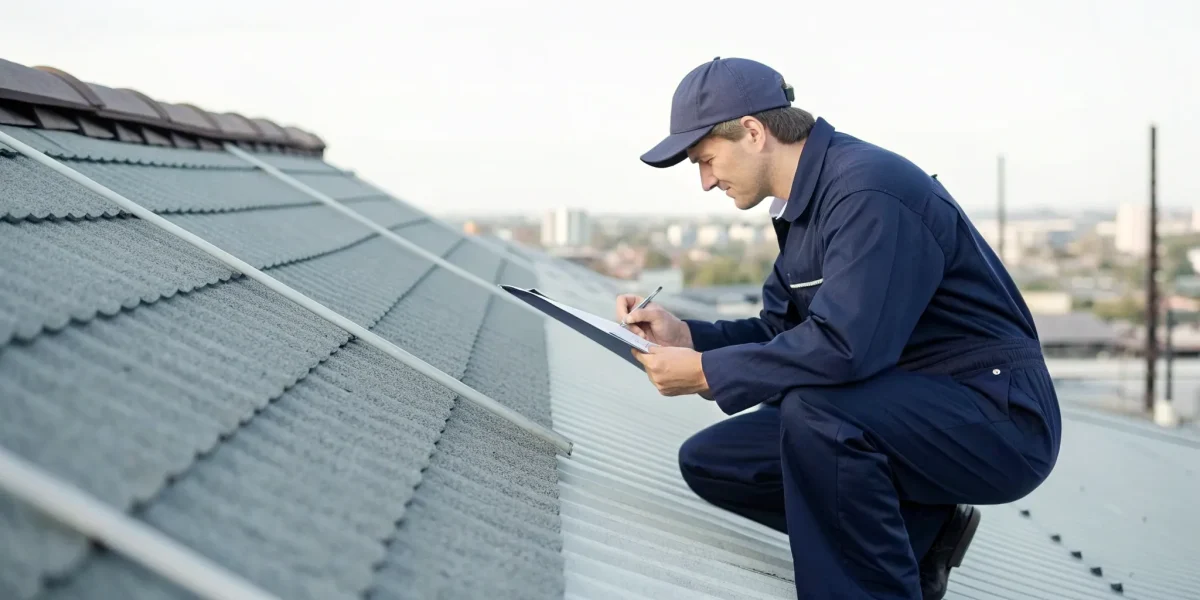
Not all certification programs are created equal. While many can teach you the basics of finding a problem, the best programs teach you how to provide a real solution. When you’re evaluating your options for commercial roof inspector training, look for a curriculum that gives you a distinct market advantage. Our training is built around the industry’s only standardized roof warranty—the LeakFREE® certification. This means you don’t just learn how to write a report; you learn how to offer your clients guaranteed protection. This transforms your service from a simple assessment into a premium solution that property owners actively seek out, giving you a powerful tool for building your business.
Key Takeaways
- Build Your Credibility and Your Bottom Line: Certification is a powerful tool that proves your expertise to clients, allowing you to command higher fees and take on more specialized, lucrative projects.
- Master More Than Just the Roof: Top-tier training goes beyond technical know-how, teaching you how to create clear, professional reports and communicate your findings in a way that builds lasting trust with clients.
- Gain a Unique Competitive Edge: Partnering with an organization like the NRCIA gives you access to exclusive benefits, including proprietary software and the ability to offer the industry’s only standardized LeakFREE® warranty, which transforms your service into a guaranteed solution.
What is Commercial Roof Inspector Training?
Commercial roof inspector training is a specialized program designed to teach you how to properly evaluate the complex roofing systems found on commercial buildings. Unlike the sloped, shingled roofs you see on most houses, commercial properties often feature flat or low-slope roofs made from a variety of materials like TPO, EPDM, or modified bitumen. This type of training goes deep into the specific methods needed to identify wear, damage, and potential leaks on these unique systems.
Think of it as becoming a detective for large-scale roofs. You learn not just what to look for, but why you’re looking for it. A solid training program covers everything from the science behind different roofing materials to the safety protocols required for working at height on large buildings. It equips you with the skills to produce detailed reports that building owners, property managers, and real estate professionals rely on to make informed decisions. It’s a career path that requires a sharp eye, a commitment to detail, and a genuine interest in protecting major investments.
What Commercial Roof Inspectors Do
At its core, a commercial roof inspector’s job is to assess the condition of flat and low-slope roofs on commercial properties. They are trained to methodically examine every component of the roofing system—from the membrane and flashing to the drainage and structural supports. Their primary goal is to identify existing problems, pinpoint potential vulnerabilities, and provide a clear, comprehensive report on the roof’s overall health. This work is vital for maintaining the safety and functionality of the building, helping the various clients they work with prevent costly damage before it starts.
Why Specialized Training Matters
You can’t just walk onto a commercial roof and know what to look for. These systems are far more complex than residential roofs, and a small oversight can lead to huge problems. That’s why specialized training is so important. A reputable certification path gives you the in-depth knowledge needed to understand the complicated parts of low-slope roofs and spot common issues that an untrained eye would miss. It’s more than a single course; it’s a full training portfolio that combines classroom learning with hands-on experience and continuing education, preparing you for a successful long-term career.
Busting Common Myths About Inspector Training
One of the biggest misconceptions is that any building owner or general contractor can perform an adequate roof inspection. While they might spot obvious damage, they often miss the subtle signs of water intrusion or material degradation that a trained professional is equipped to find. Another common myth is that a roof warranty makes regular inspections unnecessary. In reality, most warranties require routine professional inspections to remain valid. Consistent check-ups are essential for the longevity of any roof and are key to maintaining a LeakFREE® roof certification.
What You’ll Learn in Commercial Roof Inspector Training
Think of commercial roof inspector training as your complete playbook for evaluating a building’s most critical asset. This isn’t just about spotting a few missing shingles. A comprehensive program gives you the technical knowledge and practical skills to assess complex roofing systems, identify underlying issues, and communicate your findings like a pro. You’ll move from simply looking at a roof to truly understanding its condition, history, and future needs. This specialized education is what separates a qualified inspector from someone just walking on a roof. It provides a structured path to mastering the craft, ensuring you can deliver accurate, reliable assessments every time.
Roofing Systems and Materials
First things first, you need to know what you’re looking at. Training will cover the wide variety of commercial roofing systems, from common flat roofs (like TPO, EPDM, and built-up roofing) to sloped systems. You’ll learn the anatomy of each type, the specific materials used, and how they are supposed to perform under different conditions. Understanding the pros and cons of each system is essential because it tells you what potential weaknesses to look for. This foundational knowledge is the key to diagnosing problems accurately, whether it’s a simple flashing issue or a sign of widespread material failure. It’s the difference between guessing and making an informed assessment based on how a system is designed to function.
Inspection Techniques and Methods
Once you know the systems, you need to learn how to inspect them properly. Quality training programs teach you a systematic process for conducting thorough inspections. You’ll learn how to perform a detailed visual assessment, identify subtle signs of damage, and use diagnostic tools effectively. The curriculum in our training portfolio covers the essential hands-on techniques for checking seams, drainage systems, penetrations, and the overall structural integrity of the roof. This methodical approach ensures you don’t miss critical details and can confidently stand behind your inspection report. It’s about developing a repeatable process that guarantees a comprehensive evaluation on every job, building consistency and reliability into your work.
Safety Protocols and Compliance
Working on roofs comes with inherent risks, which is why safety is a non-negotiable part of any inspector training. You will learn the essential safety protocols and compliance standards required to protect yourself and others on the job site. This includes everything from proper ladder safety and fall protection measures to understanding OSHA regulations. Adhering to these rules isn’t just about avoiding accidents; it’s a hallmark of professionalism. Clients trust inspectors who prioritize safety, and this training ensures you can manage every inspection site responsibly and confidently. Mastering these protocols demonstrates your commitment to high standards and minimizes risk for everyone involved, which is a crucial part of building a reputable business.
How to Document and Report Findings
A great inspection is useless without a clear, detailed report. A major part of your training will focus on how to document your findings and prepare professional reports that clients can actually understand and act on. You’ll learn what information to gather on-site, how to take effective photographs, and how to structure your findings logically. Using tools like specialized inspection software can streamline this process, helping you create consistent and comprehensive reports. The goal is to translate your technical assessment into a practical document that clearly communicates the roof’s condition, highlights urgent issues, and provides actionable recommendations for maintenance or repairs.
Developing Your Problem-Solving and Communication Skills
Being a successful inspector is about more than just technical expertise. You also need strong problem-solving and communication skills. Training helps you develop the ability to analyze your findings, connect the dots to identify the root cause of a problem, and think critically about potential solutions. You’ll also learn how to effectively communicate this information to the different types of clients you’ll work with, from property managers to real estate agents. This means breaking down complex issues into simple terms and clearly explaining the implications of your findings. Mastering these skills builds trust and establishes you as a credible, go-to expert in your field.
The Perks of Becoming a Certified Inspector
Deciding to pursue a commercial roof inspector certification is a significant step, and it’s one that pays off in multiple ways. Think of it less as just another line on your resume and more as a key that opens doors to new opportunities, higher earnings, and a stronger professional reputation. In an industry where experience is valued, a formal certification proves you’ve gone the extra mile to master your craft according to established, professional standards. It signals to clients, employers, and colleagues that you are committed to a higher level of practice and have a verified understanding of complex roofing systems.
This credential is a powerful way to distinguish yourself in a competitive field. It provides a clear framework for your expertise, helping you build a career with long-term stability and growth. Whether you’re an experienced contractor looking to specialize or you’re new to the industry and want to start with a solid foundation, certification gives you a definitive edge. It’s an investment in your professional future that delivers tangible returns by enhancing your skills, building trust with clients, and ultimately, improving your bottom line. Let’s look at the three biggest advantages you’ll gain.
Advance Your Career
If you’re looking for a clear path forward in your career, certification is it. To become a certified roof inspector, you’ll need to complete a training program that covers the essentials: different roofing systems, proper inspection techniques, and critical safety protocols. This specialized knowledge makes you a go-to expert, not just another contractor. It equips you to handle complex commercial projects with confidence, moving you from general work to a specialized, in-demand field. This formal training validates your existing skills while filling in any gaps, creating a solid foundation for you to take on leadership roles or even start your own inspection business.
Build Credibility and Trust
In the roofing industry, trust is everything. Clients are making huge financial decisions based on your assessment, and they need to know you’re qualified. A certification acts as an immediate, third-party endorsement of your skills. When you can show that you’ve met the rigorous standards of a respected organization like the NRCIA, you’re no longer just asking clients to take your word for it—you’re providing proof. This credential builds instant credibility with homeowners, real estate agents, and commercial property managers. It shows you adhere to a strict code of ethics and are serious about your profession, making it much easier for clients to choose you over the competition.
Increase Your Earning Potential
Becoming a certified roof inspector isn’t just about adding a new skill; it’s about creating a clear path to greater earning potential and business stability. With certification, you can command higher fees because you offer a higher level of expertise and assurance. You’re qualified to perform specialized services, such as inspections for real estate transactions or insurance claims, which are often more lucrative. Furthermore, offering unique protections like the NRCIA’s LeakFREE® warranty gives you a significant competitive edge. This allows you to provide a premium service that clients are willing to pay more for, directly impacting your bottom line and setting you up for sustained financial growth.
How to Get Certified as a Commercial Roof Inspector
Becoming a certified commercial roof inspector is a straightforward process when you break it down into clear, manageable steps. Think of it as building your expertise layer by layer, from foundational knowledge to specialized skills. The path involves meeting some initial requirements, completing a robust training program, passing a final exam, and committing to ongoing education to keep your skills sharp. Each step is designed to ensure you have the confidence and competence to inspect complex commercial roofing systems accurately and professionally.
This journey not only validates your skills but also opens doors to more significant career opportunities. By following a structured certification path, you’re investing in your credibility and showing clients that you adhere to the highest industry standards. Let’s walk through exactly what it takes to earn that certification and establish yourself as a trusted expert in the field.
Meeting the Prerequisites
Before you can dive into specialized commercial training, you need to have a solid foundation. For many, this starts with joining a professional organization to gain access to essential resources and establish yourself within the industry. This step ensures you meet the general inspector requirements that certification bodies look for. It’s less about gatekeeping and more about making sure everyone starts with a shared understanding of professional ethics and basic inspection principles. Think of it as your entry ticket to the world of professional roof inspection, setting you up for success as you move into more advanced training.
Completing Your Training
A comprehensive training program is the heart of your certification journey. This isn’t about cramming for a single test; it’s about gaining a deep understanding of commercial roofing through a mix of coursework and hands-on experience. A quality training portfolio will cover everything from different roofing systems and materials to advanced inspection techniques. This is where you’ll learn to identify subtle signs of damage, understand complex drainage systems, and master the documentation process. The goal is to equip you with the practical skills and technical knowledge needed to handle any commercial inspection with confidence and precision.
Passing the Exam
Once your training is complete, the final step is passing the certification exam. This test is designed to confirm that you’ve absorbed the material and are ready to apply it in the real world. The best way to prepare is to fully engage with your training, especially any hands-on components. Field experience is invaluable because it bridges the gap between theory and practice. The exam isn’t meant to trick you; it’s a final check to ensure you’re prepared to deliver reliable, high-quality inspections that clients can trust. Using professional inspection software during your training can also help you get comfortable with the reporting standards expected of a certified professional.
Staying Certified with Continuing Education
Earning your certification is a huge accomplishment, but the learning doesn’t stop there. The roofing industry is always evolving with new materials, technologies, and standards. That’s why continuing education is a requirement for maintaining your certification. Committing to ongoing learning ensures you stay current with the latest industry best practices and maintain your edge as an expert inspector. This dedication not only keeps your credentials active but also reinforces your commitment to quality, helping you consistently deliver the highest standard of service, like that required for a LeakFREE® roof certification.
Do You Have What It Takes to Be a Great Inspector?
Becoming a top-tier commercial roof inspector is about more than just knowing your way around a roof. While technical expertise is the foundation of the job, the best inspectors bring a specific set of personal skills to the table. Think of it this way: the training gives you the knowledge, but your inherent qualities are what help you apply that knowledge effectively. It’s a blend of art and science—the science of understanding building materials and the art of communicating what you find.
Great inspectors are part detective, part consultant, and part educator. They can spot the smallest detail that signals a bigger problem, think critically to find the root cause, and then explain it all to a client in a way that makes sense. This career path is perfect for people who are naturally curious, methodical, and enjoy solving complex puzzles. If you’re someone who gets satisfaction from providing clear, actionable answers and helping people protect their investments, you already have the mindset of a successful inspector. The next step is pairing that mindset with the right professional training.
Key Personal and Technical Skills
To succeed as an inspector, you need a solid mix of technical knowledge and personal strengths. On the technical side, you must learn to identify different roofing systems, apply proper inspection techniques, and follow critical safety protocols. Our training portfolio is designed to build this expertise from the ground up. Personally, the most crucial skill is a sharp attention to detail. You have to be the kind of person who notices what others miss. This is paired with strong problem-solving abilities, allowing you to connect the dots between a symptom, like a water stain, and its underlying cause. These skills are the bedrock of every reliable inspection.
Mastering Client Communication
Your technical skills are only half the equation; how you communicate your findings is just as important. A great inspector can translate complex roofing jargon into clear, straightforward advice for the wide range of people we serve, from property managers to first-time homebuyers. This means keeping clients informed, patiently answering their questions, and providing well-documented, easy-to-understand reports. Building this kind of trust is what separates a good inspector from a great one. When clients feel confident that you’re giving them the full picture, they can make informed decisions about their property, and you become their go-to expert for years to come.
The Importance of Detail and Problem-Solving
Every roof tells a story, and a great inspector knows how to read it. This requires a deep commitment to detail and a methodical approach. You’ll be reviewing blueprints, maintenance logs, and repair histories to piece together a complete picture of the roof’s condition. It’s not just about finding problems—it’s about understanding why they occurred and how to prevent them in the future. This analytical mindset is what allows you to provide real solutions, not just a list of issues. Ultimately, this detailed work is what makes it possible to offer the assurance of a LeakFREE® roof certification, giving property owners true peace of mind.
Overcoming Common Training Hurdles
Every new career path comes with its own set of challenges, and becoming a commercial roof inspector is no different. It’s easy to look at seasoned professionals and wonder how you’ll ever get there. But remember, every expert was once a beginner. The key is to anticipate the hurdles and have a plan to clear them. From gaining your first bit of hands-on experience to keeping up with the latest drone technology, these challenges are simply stepping stones on your path. Let’s walk through some of the most common obstacles you might face and discuss practical ways to overcome them, so you can move forward with confidence.
Gaining Experience from Scratch
It’s the classic dilemma: you need experience to get a job, but you need a job to get experience. Breaking into the world of roof inspections can feel this way, but it’s far from impossible. Becoming a certified roof inspector isn’t just about adding a new skill; it’s about creating a clear path to greater earning potential and business stability. A great first step is to find a structured training program that includes hands-on learning. Look for opportunities to shadow a seasoned inspector or seek out mentorships. The NRCIA’s comprehensive training portfolio is designed to build your skills from the ground up, giving you the foundational knowledge and practical insights needed to start your career.
Understanding Complex Regulations
Commercial roofing is governed by a web of building codes, safety regulations, and local ordinances that can feel overwhelming at first. A successful commercial roof inspection ensures that your building’s primary barrier functions efficiently, and that means knowing exactly what standards it needs to meet. Instead of trying to memorize everything at once, focus on understanding the principles behind the rules. A quality certification program will integrate these standards into its curriculum. For example, inspectors in California must be familiar with specific requirements like SB 721 inspections for elevated exterior elements. This specialized knowledge not only ensures compliance but also makes you a more valuable and sought-after professional.
How to Manage Training Costs
Investing in your career is one of the best decisions you can make, but it’s natural to be concerned about the costs of training, certification, and equipment. Think of these expenses not as a cost, but as an investment in your future. Getting the right licenses and certifications is essential to build trust with clients and protect your business. Many organizations offer different tiers of training and membership to fit various budgets. For instance, exploring different membership levels can help you find a plan that provides the training you need at a price point that works for you. This allows you to get started and scale your investment as your business grows.
Keeping Up with New Tech and Materials
The roofing industry is constantly evolving. New materials, advanced installation techniques, and innovative technologies are always emerging. We’re seeing more businesses invest in smart roofs that can detect leaks and other issues before they become major problems. Staying current is crucial for providing top-tier service. Committing to continuing education and being part of a professional network are the best ways to keep your skills sharp. This includes getting comfortable with tools like drones for inspections and specialized inspection software that streamlines your reporting. An organization that provides ongoing resources will be your greatest ally in staying ahead of the curve.
Resources to Help You Prepare for Certification
Getting certified is a significant step, but you don’t have to go it alone. A wealth of resources is available to guide you from your first lesson to your final exam. Whether you learn best online, in the field, or with a study guide in hand, there are tools to fit your style and help you build the skills you need to succeed.
Online Courses and Learning Tools
Online courses offer a flexible way to build your foundational knowledge. Organizations like InterNACHI and the Commercial Property Condition Inspectors Association (CCPIA) provide training that covers the essentials, from performing basic roof inspections to understanding complex commercial roofing systems. These courses allow you to learn at your own pace and fit your studies around your current work schedule. The NRCIA also offers a complete training portfolio to equip you with the specialized knowledge needed to perform inspections at the highest standard. This is the perfect starting point for anyone serious about entering the field.
Hands-On Training and Field Work
While online learning is valuable, it can’t replace practical experience. A reputable certification path always involves comprehensive, hands-on training that gets you out in the field. This is where you learn to apply your knowledge to real-world scenarios and develop a keen eye for detail. For some, a bachelor’s degree in a related field like engineering or architecture can even substitute for direct work experience, providing a strong technical foundation. Ultimately, the goal is to ensure you’re fully prepared for a long-term career, not just for passing a single test.
Study Guides and Practice Exams
As you approach the end of your training, your focus will shift to the certification exam. Most programs conclude with a final test to verify your expertise. These exams can be thorough—some consist of 100 questions with a two-hour time limit. To ensure you’re ready, take full advantage of any available study guides and practice exams. Working through sample questions helps you get comfortable with the format, identify areas where you need more review, and build the confidence you need to pass on your first try.
Inspection Software and Technology
In today’s market, being a great inspector also means being efficient. Using modern tools can make your services more thorough and professional. Drones, for example, allow you to inspect hard-to-reach areas safely, while specialized software streamlines your reporting process. NRCIA provides members with powerful inspection software designed to help you create detailed inspection reports and proposals quickly. Embracing this technology not only makes your job easier but also delivers a higher quality of service to your clients.
The NRCIA Training Advantage
When you’re looking for a training program, you want one that does more than just check a box. You need a certification that gives you a real-world advantage and helps you stand out in a crowded market. That’s exactly what we designed our training to do. Since 1995, we’ve been focused on creating the industry’s most thorough and practical training for roof inspectors.
Our approach is different because we don’t just teach you how to find a problem—we teach you how to provide a solution. The entire program is built around our exclusive LeakFREE® certification, a service that property owners, real estate agents, and insurance companies actively seek out. By joining the NRCIA, you’re not just getting an education; you’re gaining access to a proven business model. You’ll learn the technical skills to perform meticulous inspections and the business knowledge to build a reputation for quality and trust. We provide the curriculum, the tools, and the support system to help you build a successful and respected inspection business.
Our Curriculum and LeakFREE® Specialization
Our training curriculum is comprehensive, covering the essential knowledge every top-tier inspector needs. You’ll get a deep understanding of different roofing systems, modern inspection techniques, and critical safety protocols. But what truly sets our program apart is the specialization in LeakFREE® roof certifications. This isn’t just another line on your resume; it’s a unique service you can offer. We teach you how to perform the detailed inspections required to certify a roof as leak-free, giving you a valuable skill that directly translates into a premium service for your clients. This specialization ensures you’re not just another inspector, but a trusted expert who can offer guaranteed protection.
Flexible Training and Member Benefits
We understand that our members are business owners, which is why we provide the flexibility you need to succeed. While we offer suggested pricing for our services, you always have the freedom to set your own rates based on your local market. Beyond the training itself, an NRCIA membership is an investment in your business’s growth. You gain access to a powerful suite of benefits, including our proprietary inspection software that streamlines your workflow and helps you create professional reports. Our extensive resource library and ongoing educational opportunities ensure you always have the support you need to operate at the top of your game.
The Power of a Standardized Warranty
Imagine being able to offer your clients something no one else can: total peace of mind. Our LeakFREE® Roof Certification is the only standardized roof warranty in the industry. This is a game-changer. While other warranties might only cover a small repair patch, ours guarantees the entire roof will remain free of leaks for the duration of the certification period. For your clients, this means consistent, reliable protection they can count on. For you, it means a powerful tool for building credibility and trust. Offering a standardized, nationally recognized warranty elevates your service and makes you the clear choice for the discerning customers who value quality.
Comparing Commercial Roof Inspector Programs
Once you decide to pursue certification, the next step is finding the right program. With several options available, it can be tough to know which one will truly prepare you for a successful career. Not all certifications are created equal, and the quality of your training will directly impact your skills, credibility, and earning potential. Choosing a program isn’t just about getting a certificate to hang on your wall; it’s about investing in a partnership that will support your growth long-term.
Think of it like choosing a mentor. You want a program that’s established, respected, and committed to your success. A great certification body provides more than just a curriculum—it offers a community, ongoing support, and a clear path to becoming a top-tier professional. Let’s break down what to look for so you can make a confident and informed decision.
What to Look for in a Certification Body
When you’re evaluating different organizations, look past the marketing and focus on the substance of their training. A reputable certification path involves more than a single course; it requires comprehensive training, hands-on experience, and a commitment to continuing education to prepare you for a long-term career. To become a certified roof inspector, you’ll need to complete a training program that covers the essentials: different roofing systems, proper inspection techniques, and critical safety protocols. The goal is to find a program that builds true expertise. Look for an organization that offers a clear structure for advancement and provides resources like specialized inspection software to support you in the field.
How to Choose the Right Training Provider
The right training provider will equip you with both the technical knowledge and the practical skills to handle any inspection scenario. A top-tier program will teach you how to work with essential documents like blueprints, maintenance logs, and records of previous repairs. While some programs may recognize a bachelor’s degree in a related field like engineering or architecture as a substitute for work experience, the best ones emphasize real-world application. Choose a program that offers a complete training portfolio covering a wide range of materials and situations. This ensures you’re not just learning from a textbook but are ready to step onto a roof and perform a thorough, confident inspection from day one.
Training Costs and Career Paths for Inspectors
Thinking about becoming a certified commercial roof inspector is a big step, and it’s natural to wonder about the costs and what your career could look like afterward. Getting certified is more than just adding a new skill to your resume; it’s an investment in your professional future. This path can lead to higher earning potential, more business stability, and the credibility you need to stand out in the industry.
When you weigh the costs of training programs, it’s helpful to look beyond the initial price tag and consider the long-term value. Think about the doors that certification can open, from working with new types of clients to building a more resilient business. Let’s break down what you can expect in terms of program fees, salary potential, and whether this investment is the right move for you.
Understanding Program Fees and Financing
The cost of roof inspector training can vary quite a bit depending on the provider and the depth of the curriculum. When you’re comparing programs, look at the total value, not just the upfront fee. Some programs bundle tuition with exam fees, study materials, and even inspection software. Others offer membership benefits that include free online education, business tools, and a professional community. For example, some courses are approved for Continuing Education Units (CEUs), which is a huge plus if you need to maintain other professional licenses.
It’s also smart to see what kind of support you get after the training ends. Does the organization offer ongoing resources or a network of fellow inspectors? At NRCIA, we structure our membership levels to provide a complete package, including training, software, and access to our unique certification process. This approach ensures you have everything you need to get started and succeed.
Potential Salary and Career Growth
Becoming a certified roof inspector creates a clear path to greater earning potential and business stability. With specialized knowledge, you can command higher fees for your services because you offer a level of detail and assurance that a general inspector can’t. This certification allows you to work with a wider range of clients, including real estate professionals, insurance companies, and commercial property owners who require thorough, expert assessments.
This career path isn’t just about doing more inspections; it’s about building a stronger business. Certification gives you the credibility to attract higher-value projects and establish yourself as a trusted expert in your market. Whether you’re an independent contractor or part of a larger firm, this specialization helps you build a reputation for quality and reliability, which is key to long-term growth and serving a diverse client base.
Is the Investment Worth It?
Ultimately, the decision to invest in certification comes down to value. A certified roof inspector performs a much deeper, more specialized check than a generalist. You learn to identify subtle issues in complex roofing systems and provide clients with the confidence they need to make major financial decisions. This expertise is what clients are paying for—not just an inspection, but peace of mind.
The real value becomes clear when you can offer something more than a report. A standard certification confirms a roof’s condition at a specific moment. A warranty, on the other hand, makes a promise for the future. By getting trained with an organization like NRCIA, you can offer the industry’s only standardized warranty for LeakFREE® roofs. This transforms your service from a simple assessment into a guaranteed solution, making the initial investment in training pay for itself many times over.
Related Articles
- 5 Best Roofing Certification Classes Online (2025)
- Construction Inspection Training: The Ultimate Guide
- 5 Best Roof Inspector Training Programs of 2025
- Your Guide to the Roof Inspector Job Description
- The Ultimate Home Inspection Training Program Guide
Frequently Asked Questions
Do I need to be a roofer or have years of experience to start this training? While having a background in roofing is certainly helpful, it’s not a strict requirement. Our training is designed to build your expertise from the ground up, covering everything from the basics of different roofing systems to advanced inspection techniques. What matters most is your commitment to learning, a sharp eye for detail, and a methodical approach to your work. The certification process itself is what establishes you as a qualified professional.
What makes the NRCIA’s LeakFREE® certification different from a standard roof inspection report? A standard inspection report tells you the condition of a roof on a specific day. It’s a snapshot in time. Our LeakFREE® certification goes much further by providing a guarantee for the future. It’s a promise, backed by the industry’s only standardized warranty, that the roof will remain free of leaks for the entire certification period. This gives property owners true peace of mind and a tangible asset, not just a document.
How does this certification actually help me get more business? This certification helps you build immediate trust with potential clients. It acts as a third-party endorsement of your skills and your commitment to high standards. More importantly, it gives you a unique service to offer. When you can provide a LeakFREE® warranty, you’re not just selling an inspection; you’re selling a guaranteed solution. This makes you the clear choice for property managers, real estate agents, and homeowners who want reliable protection for their investment.
Is the training self-paced, or do I need to follow a strict schedule? We designed our training with the understanding that you are a busy professional, likely running your own business. The program offers the flexibility you need to learn the material thoroughly without disrupting your current work. You can move through the coursework at a pace that makes sense for you, ensuring you absorb the information completely before moving on to the next stage of your certification journey.
What kind of support can I expect from the NRCIA after I complete my certification? Earning your certification is just the beginning of our partnership. As a member, you gain continuous access to a suite of professional resources designed to help your business thrive. This includes our proprietary inspection software, a library of technical documents, and a network of fellow experts. We provide the ongoing support and tools you need to stay current with industry changes and consistently deliver top-quality service to your clients.
