
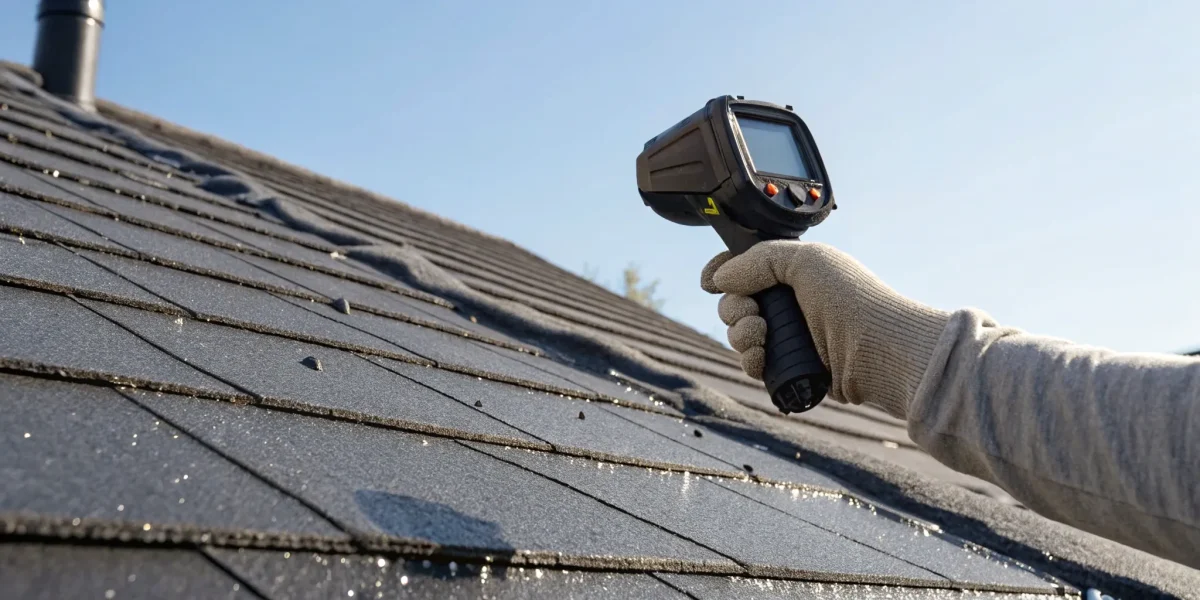
That water stain on your ceiling is often just the final destination of a long, hidden journey. Water is tricky; it can enter your roof in one spot and travel along rafters, behind walls, and through insulation before it ever becomes visible. Chasing the stain with patches rarely solves the underlying issue. To find the true source, you need to go beyond a surface-level look. A forensic roof inspection for leaks uses advanced technology, like thermal imaging, to trace the path of moisture back to its origin. This scientific approach allows an inspector to pinpoint the exact entry point, ensuring the repair plan addresses the root cause, not just the symptom.
Key Takeaways
- Identify the Root Cause, Not Just the Obvious Damage: A forensic inspection is about finding the why behind a leak—like poor installation or material failure—so you can fix the actual problem instead of just patching the water stain.
- Get the Evidence You Need for Claims and Repairs: The detailed report from a forensic inspection is your best tool, providing the unbiased proof required by insurance companies and giving contractors a clear roadmap that prevents guesswork and unnecessary costs.
- Hire a Certified Pro with the Right Tech: Don’t settle for a general roofer. Look for an NRCIA-certified inspector who uses non-invasive tools like thermal imaging to get a complete and accurate diagnosis without damaging your property.
What Is a Forensic Roof Inspection?
Think of a forensic roof inspection as detective work for your roof. While a standard inspection identifies existing problems, a forensic inspection digs deeper to uncover the root cause of a failure, like a persistent leak or premature aging. It’s a specialized evaluation that examines not just the what but the why. Property owners often use this inspection after a new roof is installed to verify that the contractor followed proper installation methods and met all building code requirements.
This in-depth investigation is crucial when you need to understand exactly how water is getting in, why materials are failing, or if poor workmanship is to blame. The goal is to provide a definitive answer and a clear path forward, whether that involves a simple repair, holding a contractor accountable, or filing an insurance claim. This level of detail is essential for achieving truly LeakFREE® roofs and ensuring the long-term health of your property.
How It Differs from a Standard Inspection
A standard roof inspection is like a routine check-up. The inspector looks for visible signs of wear and tear—cracked shingles, damaged flashing, and clogged gutters. It’s a great way to stay on top of maintenance and catch obvious issues. A forensic inspection, on the other hand, is a comprehensive investigation. It focuses on uncovering hidden defects and determining the exact cause of a specific problem, often using more advanced techniques.
Instead of just noting damage, a forensic inspector might take material samples for lab analysis, perform moisture mapping, and check for compliance with installation guidelines. This process is less about general maintenance and more about gathering evidence to solve a complex issue, providing the detailed documentation needed by the various professionals we serve.
When to Schedule a Forensic Inspection
It’s best to schedule a forensic roof inspection shortly after a new roof is installed. This proactive step confirms the work was done correctly from the start, helping you identify and address any installation errors before they lead to major damage. Catching a small issue early can save you from the headache and expense of a much larger repair down the road.
You should also consider a forensic inspection if you have a recurring leak that multiple repair attempts haven’t solved. If you’re stuck patching the same spot, an inspector can pinpoint the true source of water intrusion. This service is also invaluable when you need to document damage for an insurance claim or a dispute with your contractor. The detailed report provides the objective evidence you need to make your case.
Why a Forensic Inspection Is Worth It
When you’re dealing with a persistent roof leak, the last thing you want is another expense. But a forensic roof inspection isn’t just another bill—it’s an investment in getting the right solution the first time. Think of it as the difference between a quick glance from a generalist and a thorough diagnostic exam from a specialist. While a standard inspection might identify visible damage, a forensic inspection digs deeper to uncover the root cause of the problem, often revealing issues that would otherwise go unnoticed. This detailed approach gives you the clarity you need to make smart decisions, saving you from the frustrating cycle of endless patch-up jobs and unexpected costs. It provides a clear, actionable path forward, whether you’re dealing with a complex insurance claim, planning major repairs, or simply trying to protect your property for the long haul. It’s about moving from reacting to problems to proactively solving them for good. By understanding exactly what’s wrong, you can allocate your resources effectively and ensure the repairs you pay for will actually last.
Pinpoint the Exact Source of Your Leak
Water is tricky. The drip in your ceiling might be feet away from where the water is actually getting into your roof. A standard inspection might spot the obvious signs, but a forensic inspection goes deeper to find the true origin of the problem. Using advanced techniques like infrared cameras and moisture detection tools, an inspector can accurately identify the source of a leak without causing additional damage. This means no more guesswork or paying for repairs that don’t fix the underlying issue. You get a precise diagnosis that leads to a lasting solution, which is the first step toward a truly LeakFREE® roof.
Save Money by Catching Problems Early
It might sound counterintuitive, but spending money on a detailed inspection can save you a lot more down the road. By identifying and addressing small issues early, you can prevent minor problems from escalating into costly repairs or the need for a complete roof replacement. A forensic inspection can uncover hidden vulnerabilities, like compromised underlayment or subtle flashing failures, before they lead to widespread water damage or structural decay. It’s a proactive step that protects your investment, whether you’re a homeowner, property manager, or real estate professional. This approach benefits all types of property stakeholders by turning a potential crisis into a manageable repair.
Get the Detailed Report You Need for Insurance
After a storm or when you’re filing an insurance claim, a simple invoice from a roofer often isn’t enough. You need solid evidence. The detailed reports generated by NRCIA-certified inspectors include professional opinions, photographs, and specific recommendations, making them far more comprehensive than standard reports. This documentation is exactly what insurance companies need to see, providing clear proof of damage and streamlining your claims process. It also serves as a valuable roadmap for your contractor, ensuring everyone is on the same page about what needs to be fixed and why.
Warning Signs You Need a Forensic Roof Inspection
Sometimes, a roof problem announces itself with a dramatic leak. More often, though, the signs are subtle and easy to dismiss until serious damage has already occurred. Paying attention to the small changes in your property can help you catch issues before they become expensive disasters. A forensic roof inspection is designed to investigate these clues and find the root cause of a problem that might not be obvious during a standard check-up. If you’ve noticed any of the following red flags, it’s a good idea to call in a professional to take a closer look. These warning signs are your roof’s way of telling you it needs help, and listening early can save you a lot of headaches down the road.
Water Stains, Mold, and Other Signs of Moisture
The most undeniable sign of a roof leak is evidence of water where it shouldn’t be. Take a walk through your property and check your ceilings and walls for water stains, black marks, or mold. These are clear indicators of moisture intrusion that can lead to more significant structural issues if not addressed promptly. A discolored patch on the ceiling might seem like a simple cosmetic fix, but it’s often the final symptom of a much larger problem. Don’t ignore musty odors in your attic or upper floors, either, as they can also point to hidden moisture. A forensic inspection can trace these signs back to the source, ensuring you get a lasting solution and a truly LeakFREE® roof.
Damaged Flashing and Roof Components
It’s a good idea to visually inspect your roof from the ground every so often, especially after a major storm. One of the most frequent problems found is missing or broken shingles, which leave your roof’s underlayment exposed to the elements. Also, pay close attention to the flashing—the metal strips that seal the joints around chimneys, vents, and skylights. If the flashing is cracked, rusted, or pulling away, it creates a direct path for water to enter your home. Clogged gutters filled with shingle granules are another tell-tale sign that your roofing material is deteriorating. While you might spot these issues yourself, a certified inspector knows how to assess the full extent of the damage.
Higher Energy Bills or Structural Changes
Not all roof problems leave a visible trail of water. Sometimes, the first clue is a sudden, unexplained spike in your heating or cooling costs. If your energy bills are climbing, it could mean that a breach in your roof is compromising your home’s insulation and allowing conditioned air to escape. You should also be aware of any structural changes, no matter how minor they seem. A sagging roofline, dipping ceilings, or even doors and windows that suddenly start to stick can indicate that moisture has been slowly weakening your home’s frame. These are serious symptoms that require an immediate and thorough investigation by a certified professional to identify the underlying problems before they worsen.
The Tools and Tech Inspectors Use
A forensic roof inspection goes far beyond a simple visual check. A true investigation relies on advanced technology to uncover what’s happening beneath the surface. These tools allow a certified inspector to gather concrete data, pinpointing the exact source of a leak without resorting to guesswork. This approach ensures a thorough and accurate diagnosis of your roof’s condition, which is why we equip our inspectors with the best inspection software available to document their findings.
See What’s Hidden with Thermal Imaging
One of the most powerful tools in an inspector’s kit is an infrared camera. This technology lets us see temperature differences across your roof’s surface. Wet areas retain heat differently than dry areas, showing up as distinct patterns on the camera’s display. This allows an inspector to conduct an infrared moisture survey to map out exactly where moisture is trapped under the roofing material. It’s an incredibly effective way to trace a leak back to its origin, even if it’s far from where the water stain appeared inside.
Measure Moisture with Specialized Meters
Once thermal imaging flags a potential problem, inspectors use specialized moisture meters to confirm the findings. These handheld devices provide precise readings of moisture content within roofing materials like insulation and decking. This isn’t an estimate; it’s hard data that verifies the extent of water intrusion. Using these state-of-the-art tools, an inspector can differentiate between minor dampness and severe saturation, which is critical for planning the right repairs and preventing issues like mold growth.
Get a Bird’s-Eye View with Drones
Some roofs are too large, steep, or fragile to walk on safely. That’s where drones come in. An inspector can use a drone equipped with a high-resolution or infrared camera to get a complete view of the entire roof system without ever setting foot on it. This technology is perfect for covering large commercial roofs or complex residential designs quickly. A roof IR inspection by drone can spot thermal anomalies from above, ensuring no section of the roof is overlooked during the investigation.
Test Your Roof Without Causing Damage
The goal of a forensic inspection is to find the source of a leak, not create more problems. That’s why inspectors rely on non-invasive testing methods. Technologies like thermal imaging and drones allow for a deep dive into your roof’s condition without tearing up shingles or cutting holes in your ceiling. This approach is particularly useful for identifying leaks behind walls or under flooring. By gathering evidence without causing destruction, inspectors provide a clear report that saves you from unnecessary repairs and preserves your property’s integrity.
The Forensic Roof Inspection Process, Step-by-Step
A forensic roof inspection isn’t a quick glance from the curb. It’s a methodical investigation designed to uncover the root cause of complex or persistent roofing issues, especially leaks. Think of it like detective work for your roof. A certified inspector follows a structured process to gather evidence, analyze the situation, and deliver a conclusive report that explains exactly what’s wrong and why. This detailed approach ensures that you’re not just patching a symptom but solving the core problem for good. Each step builds on the last, moving from a broad overview to a microscopic analysis of your roof’s condition.
The Initial Consultation and Plan
Everything starts with a conversation. Before an inspector ever sets foot on your property, they’ll want to understand the full history of your roof and the problems you’re experiencing. Have you had recent repairs? When did you first notice the leak? Is there a new roof that’s already failing? This initial consultation allows the inspector to gather crucial background information and tailor an inspection plan specific to your situation. This is your chance to share every detail, as it helps the inspector know exactly what to look for, whether it’s a potential installation error or a material defect.
The On-Site Visual Assessment
Once on-site, the inspector begins with a comprehensive visual assessment. This is a meticulous, hands-on examination of every component of your roof system. An experienced inspector will check to see if the installation was done correctly, following all manufacturer guidelines and industry best practices. They’ll scrutinize flashing, seals, underlayment, and drainage paths, looking for signs of poor workmanship, material defects, or storm damage. This is where an inspector’s specialized training truly comes into play, as they can spot subtle clues that a standard inspection might miss.
Advanced Testing and Material Analysis
Sometimes, the real problem isn’t visible to the naked eye. In these cases, a forensic inspector will move on to advanced testing. This might involve taking small, strategic samples of roofing materials for laboratory analysis to identify issues like manufacturing defects, premature wear, or even hidden contaminants like mold. This scientific approach provides concrete evidence to pinpoint the exact cause of failure. The data gathered during this phase is meticulously documented using professional inspection software, creating an objective record that can be invaluable for insurance claims or legal disputes.
Creating a Moisture Map of Your Roof
Finding the entry point of a leak can be tricky, as water often travels far from where it gets in. To solve this puzzle, inspectors use infrared technology to create a moisture map of your roof. An infrared camera detects temperature differences across the roof’s surface, revealing areas where moisture is trapped beneath. This allows the inspector to accurately identify water entry points and trace the path of intrusion without any destructive testing. This technology is a cornerstone of providing a LeakFREE® roof certification, as it confirms with certainty where vulnerabilities exist.
How Inspectors Find the Root Cause of a Leak
Think of a forensic roof inspector as a detective for your home. Their job isn’t just to spot a leak but to uncover exactly how and why it started. This process goes far beyond a quick visual check-up. A certified inspector methodically investigates the entire roofing system to find the origin of the problem, which is often hidden far from where the water damage actually appears. It’s a detailed investigation that combines years of experience with a deep understanding of building science.
This investigative work focuses on three key areas: tracing the water’s path, checking the quality of the installation, and assessing the condition of the roofing materials themselves. By looking at the roof from these different angles, an inspector can build a complete picture of its health. They can distinguish between a simple repair job and a symptom of a much larger issue, like widespread material failure or a fundamental flaw in how the roof was built. This comprehensive approach ensures that you’re not just patching a symptom but solving the root problem for good. The goal is to provide you with clear, undeniable evidence of what’s wrong and a precise roadmap for how to fix it.
Tracing the Path of Water Intrusion
Water is tricky. A stain on your ceiling rarely means the entry point is directly above. Water can travel along rafters, behind walls, and through insulation before it finally makes its presence known. A forensic inspector knows how to trace this journey backward. They start at the site of the visible damage and work their way up, using moisture meters and thermal cameras to follow the trail of dampness. They look for subtle clues in the attic and on the underside of the roof deck, mapping the path of intrusion to pinpoint the exact spot where water is getting in. This meticulous process ensures the real problem is found, not just the most obvious symptom.
Spotting Installation Errors and Poor Workmanship
Sometimes, the problem isn’t that your roof is old—it’s that it was never installed correctly in the first place. A key part of a forensic inspection is to evaluate the quality of the workmanship. Inspectors check if the roof was installed according to the manufacturer’s specific instructions and local building codes. They look for common but critical mistakes, such as improperly installed flashing around chimneys and vents, incorrect nail patterns on shingles, or inadequate sealing. Our inspector training focuses heavily on these details, as poor installation is one of the leading causes of premature roof failure and persistent leaks.
Identifying Failing or Worn-Out Materials
Over time, even the best roofing materials wear down. Sun, wind, and rain take their toll, causing materials to become brittle, crack, or lose their protective qualities. A forensic inspector is trained to identify the specific signs of material failure. They can spot granule loss on asphalt shingles, blistering, or cracking that indicates the end of a material’s lifespan. In some cases, they may take small, non-destructive samples for lab analysis to confirm a manufacturing defect or identify contaminants like mold. Identifying these issues is the first step toward getting a truly protected roof and the peace of mind that comes with a LeakFREE® certification.
How to Choose the Right Forensic Inspection Company
When you’re dealing with a persistent roof leak, the last thing you need is an inspector who can’t find the source. A forensic roof inspection is a highly specialized service, and not every roofing company has the skills or equipment to do it right. Choosing the right partner is the most important step you’ll take. You’re not just hiring someone to look at your roof; you’re investing in a definitive answer to a frustrating and potentially expensive problem.
The right company will have a proven process, the right technology, and a track record of successfully diagnosing complex roofing issues. Taking the time to vet your options will save you from inaccurate reports, unnecessary repairs, and the headache of a leak that just won’t quit. Think of it as hiring a detective for your roof—you want someone with the credentials, experience, and tools to solve the case. Here’s what to look for to ensure you’re hiring a true professional who can deliver the clarity you need.
Look for NRCIA Certification and Credentials
Before you look at anything else, check for certification from the National Roof Certification and Inspection Association (NRCIA). This is the single best indicator of a qualified and reliable inspector. An NRCIA-certified professional has completed rigorous training and is held to the industry’s highest standards. They follow a specific, proven process designed to produce accurate and consistent evaluations every time. Choosing a certified inspector means you’re working with someone who is committed to their craft and has the documented expertise to back it up. It’s the quickest way to filter out the less qualified options and focus on true experts.
Verify Their Experience in Forensic Investigations
General roofing experience is great, but forensic investigation is a different ballgame. Tracing a leak to its origin requires a specific skill set that goes beyond standard inspections or repairs. You need an inspector who understands building science, material performance, and how water travels in unexpected ways. When speaking with potential companies, ask them directly about their experience with forensic work. How many investigations have they conducted? Can they describe a few complex cases they’ve solved? A seasoned forensic inspector will be able to confidently discuss their past work and explain their methodical approach to solving roof mysteries.
Ask About Their Tools and Technology
The quality of a forensic inspection often depends on the quality of the tools used. A top-tier inspector will arrive with more than just a ladder and a flashlight. Ask what kind of technology they use to gather information. They should be using advanced, non-invasive methods like thermal imaging cameras to detect temperature differences caused by trapped moisture and specialized meters to measure moisture levels within roofing materials. This technology allows them to pinpoint hidden problems without tearing your roof apart. Companies that invest in the right tools, like the NRCIA’s proprietary inspection software, are better equipped to give you a complete and accurate picture of your roof’s condition.
Review Their Reporting Process
The final inspection report is the most critical part of the service. This document is what you’ll use to understand the problem, hire a contractor for repairs, and file an insurance claim. A vague, one-page summary won’t cut it. A proper forensic report should be incredibly detailed, with high-resolution photographs, a clear explanation of the findings, and specific, actionable recommendations. Before you hire anyone, ask to see a sample report. This will show you exactly what you can expect. You want a report that tells a clear story and gives you a roadmap to achieving a LeakFREE® roof.
What to Expect During the Inspection
Knowing what happens during a forensic roof inspection can help you feel more prepared and confident in the process. Unlike a quick visual check-up, this is a deep-dive investigation into your roof’s health. The inspector isn’t just looking for obvious damage; they’re piecing together a puzzle to find the hidden cause of your leak. From the moment they arrive to the final report, every step is designed to be thorough and methodical. Let’s walk through what the on-site visit looks like, what goes into the cost, and how a certified professional ensures your property is protected throughout the entire process.
The On-Site Process and How Long It Takes
This is where the real detective work begins. A forensic inspection is much more detailed than a standard one, so the timeline can vary. A straightforward case might take a single day, but complex issues requiring extensive testing or collaboration with other experts, like structural engineers, could take several weeks. Your inspector will start with a comprehensive visual assessment of both the interior and exterior of your roof. They’ll use specialized tools to gather data and may even collect material samples for lab analysis. The goal is to be exhaustive, ensuring no stone is left unturned. The expertise required for this level of detail is why our inspectors undergo rigorous training and education.
Understanding the Cost and What You’re Paying For
While a standard roof check-up might cost a few hundred dollars, a forensic inspection is a more significant investment because it provides a much deeper level of analysis. The final price depends on several factors, including your roof’s size, material, accessibility, and the complexity of the leak. You’re not just paying for someone to walk around on your roof. The cost covers the inspector’s specialized expertise, the use of advanced diagnostic equipment, and potentially lab fees for material testing. Most importantly, it includes a detailed, evidence-based report that you can use for insurance claims or legal purposes. Think of it as paying for a definitive answer, not just an educated guess.
How a Professional Protects Your Property
A key part of a forensic inspection is finding the problem without causing more damage. Certified professionals use non-invasive techniques whenever possible, relying on technology like infrared cameras and moisture meters to see what’s happening beneath the surface. This approach helps pinpoint the exact source of a leak while keeping your roof intact. The inspection also serves as a quality check, especially on newer roofs, to confirm the installation was done correctly and safely. By documenting every finding, the inspector provides you with the proof needed to hold contractors accountable or file a successful insurance claim. Ultimately, a forensic inspection is about protecting your investment and giving you a clear path to a lasting solution, like a LeakFREE® certified roof.
How to Use Your Inspection Report
Once your forensic roof inspection is complete, you’ll receive a detailed report. This document is more than just a summary of findings; it’s a powerful tool and your roadmap to a permanent solution. Using it effectively will help you coordinate repairs, file insurance claims, and ensure your roof is secure for the long term.
Understand the Findings in Your Report
Your forensic inspection report will be far more detailed than a standard assessment. It’s designed to give you a complete picture of your roof’s health, including photos, professional analysis, and specific recommendations. Take the time to read through it carefully. The goal isn’t just to find the leak, but to understand its root cause. Was it a faulty installation, a failed material, or storm damage? A quality report helps you confirm that your roof was installed correctly and identifies exactly where things went wrong. This level of detail is the first step toward achieving a LeakFREE® roof and preventing future issues.
Prioritize Repairs: What to Fix First
The report may identify several issues, but not all of them require the same level of urgency. Your inspector’s recommendations will help you prioritize what to fix first. Focus on addressing the primary source of failure before moving on to secondary problems. This approach stops small issues from turning into expensive repairs or a full roof replacement down the line. By tackling the root cause, you avoid spending money on temporary patches that don’t solve the underlying problem. This strategic approach is essential for all property owners and managers who need to make informed, cost-effective decisions about maintenance.
Share Your Report with Contractors and Insurers
This report is your best communication tool when dealing with contractors and insurance companies. When you get quotes for repairs, provide contractors with the report to ensure their bids are accurate and based on a clear scope of work. It eliminates guesswork and helps you compare apples to apples. For insurance claims, the report serves as unbiased, third-party documentation of the damage and its cause. A detailed certified roof inspection report from an NRCIA professional provides the credible evidence needed to support your claim and can help streamline the approval process, getting you the coverage you deserve.
How to Talk to Your Inspection Team
Clear communication is the key to getting the most out of your forensic roof inspection. Your inspector is a technical expert, but you are the expert on your property’s history. Working together ensures that no detail is overlooked and that you fully understand the findings and what to do next. A great inspection team will welcome your questions and keep you informed throughout the process. By preparing ahead of time, you can make sure all your concerns are addressed and you have a clear path forward for repairs.
Prepare Your Questions and Concerns Beforehand
Before the inspector even arrives, take some time to walk around your property and make a list of everything you’ve noticed. Note the exact location of any leaks, water stains, or mold. Think about when these issues started and if they correspond with specific weather events. Having this history ready helps your inspector narrow down the search. You should also prepare a list of questions about their process and experience. A great way to gauge an inspector’s communication style is to ask for references from past clients. A professional with a solid track record will be happy to connect you with others they’ve served.
Know What to Ask During the Inspection
Don’t be afraid to ask questions while the inspection is happening. This is your chance to understand what the experts are seeing in real-time. You can ask them to explain the tools they’re using or what certain signs of damage might indicate. A key purpose of a forensic inspection is to determine if the roof was installed correctly in the first place, so you might ask, “Can you tell if the original installation followed the manufacturer’s guidelines?” An NRCIA-certified inspector has the training to identify poor workmanship and can explain how it contributes to the current problem, giving you the information you need for potential warranty claims.
Follow Up on Recommendations and Next Steps
Once the physical inspection is complete, the final report is the most critical piece of the puzzle. Your inspector will provide a detailed document with photos, analysis, and recommendations. Schedule a call to review the report together. Ask them to walk you through the most critical findings and prioritize the recommended repairs. Good follow-up questions include, “What is the most urgent issue to address?” and “What are the next steps for getting this repaired?” This conversation turns the technical data into an actionable plan, ensuring your property gets the protection of a LeakFREE® roof and preventing future issues.
Related Articles
- Roof Inspection by NRCIA Certified Professionals
- Comprehensive Roofing Inspections: A Service to Clients – NRCIA
- roof inspection Archives – NRCIA
- Inspection Report Archives – NRCIA
- Cost of a Roof Expert Witness Report: A 2025 Guide
Frequently Asked Questions
How is a forensic inspection different from the free estimate a roofer gives me? A free estimate from a roofer is typically a sales tool designed to quote you for a repair or replacement. A forensic inspection, on the other hand, is a paid, unbiased diagnostic service. The inspector’s only job is to investigate the root cause of a problem and provide you with a detailed, evidence-based report. Think of it as getting a second opinion from a specialist versus a quick check-up from a generalist.
My roof is brand new, so why would I need a forensic inspection? This is actually one of the best times to get one. An inspection shortly after installation acts as a quality control check to verify that the work was done correctly and meets all manufacturer and building code requirements. Catching an installation error early, before it causes a leak or other damage, can save you from major headaches and expensive repairs down the road.
Will the inspection process damage my roof further? Not at all. A key principle of a forensic inspection is to be non-invasive. Certified inspectors use advanced technology like thermal imaging cameras and drones to see what’s happening beneath the surface without tearing up shingles or causing any new damage. If any material samples are needed for lab analysis, they are taken from small, strategic areas and the spot is professionally repaired.
What if the inspection report shows my original roofer made a mistake? This is exactly the kind of situation where a forensic report is invaluable. The detailed, third-party documentation provides the objective evidence you need to hold your original contractor accountable. You can use the report to show them precisely what was done incorrectly and what needs to be fixed, which is much more effective than simply saying “the roof is leaking.”
Is a forensic inspection only for finding active leaks? While finding the source of a stubborn leak is a primary reason for an inspection, it’s not the only one. This in-depth evaluation is also perfect for due diligence before purchasing a property, assessing a roof’s condition after a major storm, or documenting issues for an insurance claim. It provides a complete picture of your roof’s health, helping you make informed decisions beyond just fixing a drip.
