
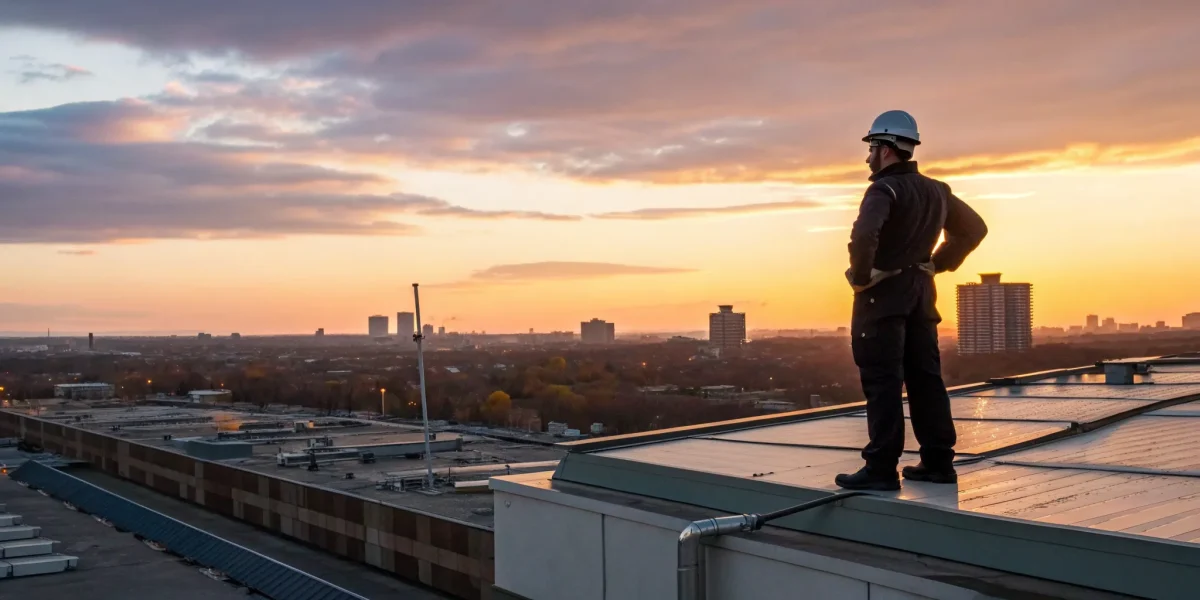
A leaky roof on a house is a problem. A leaky roof on a warehouse, office building, or manufacturing plant can be a catastrophe, leading to millions in damaged inventory and operational downtime. The sheer scale and complexity of commercial roofing systems mean that property owners and managers can’t afford to guess about their condition. They need an expert with specialized knowledge to identify risks before they become disasters. This is why the demand for qualified commercial roof inspectors is so strong. Your expertise provides peace of mind and protects massive investments. To become that trusted professional, you need training that goes far beyond the basics. The decision to enroll in commercial roof inspector training is your commitment to mastering these critical skills.
Key Takeaways
- Focus on Commercial Roofs for a Competitive Edge: Specializing in commercial systems sets you apart from general inspectors and allows you to serve high-value clients who need your specific expertise.
- Treat Certification as a Business Asset: A credible certification, like the NRCIA’s LeakFREE® credential, isn’t just a line on your resume—it’s a powerful tool for building client trust and justifying premium services.
- Your Career Growth Depends on Marketing: Completing your training is the first step; attracting clients requires a professional online presence, strategic networking, and a solid reputation built on your new credentials.
What Is Commercial Roof Inspector Training (And Why It Matters)?
Commercial roof inspector training is a specialized program designed to teach you how to properly assess the condition of commercial roofing systems. Unlike residential roofs, which are often straightforward pitched structures, commercial roofs can be vast, complex, and feature a variety of materials and systems, from flat roofs to low-slope designs. This training goes beyond basic inspection principles, giving you the specific knowledge needed to identify potential issues, understand unique drainage systems, and evaluate the performance of materials common in commercial settings.
So, why does this matter? For starters, becoming a specialist in commercial roofs sets you apart. It shows clients, employers, and partners that you have a deeper level of expertise. This specialized skill set is in high demand because the stakes are higher with commercial properties—a single roofing failure can lead to significant financial loss and operational disruption. Proper training ensures you can provide accurate, reliable assessments that property managers, building owners, and investors depend on. The NRCIA’s training portfolio is built to give you the confidence and credentials to become that trusted expert. It’s not just about learning to spot a leak; it’s about understanding the entire ecosystem of a commercial roof and providing real value to your clients.
Mastering Different Commercial Roof Systems
One of the biggest takeaways from commercial roof training is learning to handle the sheer variety of systems you’ll encounter. Commercial buildings often feature flat or low-slope roofs, which come with their own unique challenges, like ponding water and membrane damage. A quality training program will teach you how to inspect all major types of commercial roofing, including TPO, EPDM, PVC, and modified bitumen. You’ll learn to identify subtle signs of wear and tear, assess the integrity of seams and flashings, and understand how different materials respond to weather and age. This hands-on knowledge is what allows you to move from simply looking at a roof to truly understanding its condition and lifespan.
Advancing Your Career with Certification
Let’s be direct: specialized training is an investment in your career, and certification is the proof. Once you’re certified, you gain instant credibility. Insurance companies and real estate professionals often prefer, or even require, inspections from certified professionals because it guarantees a higher standard of work. This credential can open doors to more opportunities and higher earning potential. With the average roof inspector earning a solid income, adding a commercial specialty can place you at the top end of that range. By joining an organization like the NRCIA, you can explore different membership levels that provide the support and recognition you need to build a successful career path, whether you work for a firm or start your own business.
Do You Qualify for Training? Let’s Find Out
Thinking about becoming a certified roof inspector? You might be wondering if you have the right background to get started. The good news is that the path isn’t as rigid as you might think. It’s less about formal degrees and more about practical, real-world experience. This career is accessible to anyone with a solid work ethic and a willingness to learn the trade from the ground up. Let’s break down what really matters when it comes to qualifying for top-tier training and setting yourself up for a successful career in roof inspection.
Your Educational Background
When we talk about “education” for a roof inspector, we’re not usually talking about a college diploma. While a degree in construction management can be helpful, what truly counts is your hands-on knowledge. Most employers and certification bodies value industry experience—like time spent working as a roofer—far more. This foundational understanding of how roofing systems are built, how they fail, and how to repair them is the most critical education you can have. It’s the bedrock upon which all your inspection skills will be built, and our training portfolio is designed to build upon that practical knowledge.
Your Professional Experience
Gaining relevant professional experience is your most important step. If you’re not already in the industry, look for opportunities to work with experienced inspectors or in construction roles that put you on the roof. Many of the best inspectors started their careers as roofing contractors, learning the trade from the ground up. This direct experience is priceless; it teaches you to spot subtle signs of damage and understand the nuances of different materials in a way no textbook can. This practical foundation makes you an ideal candidate for formal inspection training and NRCIA membership.
Debunking Common Training Myths
Before you commit to training, let’s clear up a few common myths. Some people think roof inspections are only for emergencies, like after a big storm. The truth is, proactive, regular inspections are key to a roof’s longevity. Another myth is that professional inspections are too expensive. In reality, the cost of fixing major damage from a neglected issue is far higher. The biggest misconception? That a property owner can do it themselves. A trained professional brings an expert eye that can catch problems an amateur would miss, which is why a LeakFREE® certification provides so much value.
What Will You Learn in a Training Course?
Stepping into a commercial roof inspector training course is about more than just learning to spot a few issues. It’s about building a comprehensive skill set that makes you a trusted expert in the field. A quality program gives you the technical knowledge, practical skills, and professional polish to handle any inspection with confidence. You’ll move beyond basic checklists and learn to see a roof system as a whole, understanding its history, vulnerabilities, and maintenance needs. The goal is to equip you with everything you need to perform thorough inspections, write clear and actionable reports, and communicate your findings effectively to clients. From mastering the nuances of different roofing materials to prioritizing safety on every job site, the right training transforms your approach. You’ll learn not just what to look for, but why you’re looking for it, giving you the ability to diagnose root causes and recommend effective solutions. This deeper understanding is what separates a good inspector from a great one, allowing you to provide real value and build a reputation for excellence in the industry.
Mastering Inspection Techniques
A core part of your training will focus on the specific techniques required for inspecting various commercial roof systems, especially flat or low-slope roofs. You’ll learn how these systems are constructed, what materials are used, and how they differ from the sloped roofs you might see on residential properties. This foundational knowledge is essential for accurately assessing the condition of a commercial building. The curriculum in our training portfolio is designed to give you hands-on, practical methods for every type of roof you’ll encounter, ensuring you’re prepared for real-world scenarios.
Understanding Safety Protocols
Your safety on the job is non-negotiable, and a thorough training program will place a strong emphasis on it. You will learn the essential safety rules and procedures to follow before you even step onto a ladder, while you’re on the roof, and after the inspection is complete. This includes understanding potential hazards, using personal protective equipment correctly, and creating a safe work environment for yourself and others. Adhering to these protocols not only protects you from injury but also demonstrates a high level of professionalism to your clients, building trust and credibility from the start.
Perfecting Your Reports and Documentation
A detailed, easy-to-understand inspection report is just as important as the inspection itself. Your training will guide you on how to document your findings clearly and professionally. You’ll learn to use tools like a commercial roof inspection checklist to ensure you cover every critical detail, leaving no stone unturned. This process is made even smoother with dedicated inspection software that helps you organize photos, notes, and recommendations into a polished final report. This skill is crucial for communicating the value of your work and giving clients the information they need to make informed decisions.
Identifying and Solving Common Roof Problems
Beyond just spotting damage, you’ll gain a deep understanding of the common issues that affect commercial roofs. You’ll learn about the history of different roofing systems and why certain problems—like ponding water, membrane blistering, or seam failure—occur. This knowledge allows you to move from simply identifying problems to diagnosing their root causes. As a result, you can provide clients with more effective, long-term solutions, positioning yourself as a valuable consultant. This expertise is the foundation for providing services that lead to truly LeakFREE® roofs and satisfied customers.
Breaking Down the Cost of Training
Investing in your career is one of the smartest moves you can make, and commercial roof inspector training is no exception. While there’s a financial commitment involved, it’s helpful to think of it as an investment that pays dividends in new skills, higher earning potential, and professional credibility. The total cost can vary depending on the specific courses and certifications you pursue, but understanding the breakdown helps you plan your next steps with confidence. It’s about seeing past the initial number and recognizing the long-term return on your professional development.
The price tag on a quality training program covers more than just the classes themselves. It includes comprehensive course materials, hands-on training sessions, and access to expert instructors who can guide you through complex topics. When you enroll in a program like the one offered by the NRCIA, you’re not just buying a course; you’re gaining access to a complete educational ecosystem designed to set you up for success. This includes everything from mastering inspection techniques to learning how to use industry-leading inspection software. By looking at the full value, you can see how the initial cost translates into a stronger, more profitable business. This foundation allows you to confidently serve a wider range of clients and tackle more challenging projects, ultimately growing your reputation in the industry.
NRCIA Program Costs
When you look at the cost of NRCIA training, you’re seeing the price of a comprehensive program that covers every facet of commercial roof inspection. This isn’t just a weekend workshop; it’s an in-depth curriculum that prepares you to handle diverse roofing systems and complex inspection scenarios. The investment covers your educational materials, expert instruction, and the final certification that signals your expertise to the industry. You can explore the full training portfolio to see exactly which courses are included and how they align with your career goals. Think of it as the complete toolkit you need to start or advance your inspection business.
Exploring Membership Levels and Perks
Your training is often tied to an NRCIA membership, which comes with its own set of powerful benefits that add incredible value. Different membership levels offer perks like access to proprietary inspection software, marketing resources, and a network of fellow professionals. More importantly, NRCIA certification carries weight. Many insurance companies and real estate professionals specifically seek out NRCIA-certified inspectors, which means your membership can directly translate into more job opportunities and higher earning potential. This credential quickly becomes a key differentiator for your business, helping you stand out in a competitive market and build trust with clients from day one.
Discounts and Flexible Payment Options
Making a financial commitment can feel like a big step, so it’s always a good idea to ask about options that can make it more manageable. Many training organizations understand this and may offer ways to ease the financial burden. Don’t hesitate to inquire about potential discounts for things like early enrollment or signing up with a group from your company. It’s also worth asking about flexible payment plans that allow you to spread the cost over time. These options can make the investment feel much more approachable, allowing you to focus on what really matters: learning the skills you need to excel in your field.
Your Path to Certification
Completing your training is a huge accomplishment, but the journey doesn’t end there. Certification is what transforms your knowledge into a credential that clients and employers trust. Think of it as the official stamp of approval that says you’re not just trained—you’re a qualified professional who meets a high standard of excellence. It’s a powerful way to build your reputation, instill confidence in your customers, and set yourself apart in a competitive field.
For commercial roof inspectors, certification demonstrates a commitment to your craft. It shows you’ve put in the work to master complex systems, safety protocols, and reporting standards. This validation is often a key factor for property managers, building owners, and insurance companies when they choose an inspector. The right certification doesn’t just open doors; it gives you the credibility to walk through them with authority. At NRCIA, we’ve designed a certification path that not only validates your skills but also provides you with a unique advantage in the market, backed by the industry’s only standardized warranty.
The NRCIA LeakFREE® Certification
The cornerstone of our program is the NRCIA LeakFREE® Certification. This isn’t just another piece of paper; it’s a powerful tool that provides real value to both you and your clients. What makes it so special? It’s the only standardized roof warranty in the industry. When you certify a roof as LeakFREE®, you’re giving the property owner a tangible promise of quality and protection, backed by a trusted national organization. This instantly elevates your service, giving clients peace of mind they can’t get anywhere else. For your business, it becomes a key selling point that distinguishes you from the competition and justifies a premium for your expertise.
Earning Specialized Certifications
Beyond our core certification, the roofing industry recognizes various specializations that can help you grow your career. Many insurance companies, for instance, prefer or even require inspectors to hold specific credentials before they’ll accept their reports for claims. Earning these certifications proves you have the specialized knowledge to handle complex situations, whether it’s assessing storm damage or inspecting unique roofing materials. Our comprehensive training portfolio is designed to equip you with the skills needed to confidently pursue and achieve these valuable qualifications. This allows you to expand your services and take on more specialized, and often more lucrative, inspection projects.
Staying Current with Continuing Education
The roofing industry is constantly evolving. New materials hit the market, building codes get updated, and inspection technologies become more advanced. That’s why your education shouldn’t stop once you’re certified. Committing to continuing education is essential for staying at the top of your field and providing the best possible service. It ensures your skills remain sharp and your knowledge is up-to-date with the latest industry standards. We support our members with resources for ongoing learning, helping you maintain your edge and adapt to changes throughout your career. This commitment to lifelong learning is what separates a good inspector from a great one.
How to Choose the Right Training Program
Picking a commercial roof inspector training program is a major step in your career, so it’s worth taking the time to find the right fit. Not all programs are created equal, and the quality of your training will directly impact your confidence, competence, and credibility in the field. Think of it as an investment in your professional future. A great program gives you more than just a piece of paper; it equips you with practical skills, industry-recognized credentials, and a network of support to help you succeed.
When you’re comparing options, it can feel a little overwhelming. To cut through the noise, focus on three key areas: the program’s accreditation, the depth of its curriculum, and the quality of its instructors and support system. These factors will help you distinguish a top-tier program from one that just covers the basics. By carefully evaluating each of these elements, you can choose a path that not only teaches you how to perform an inspection but also sets you up for long-term success and growth in the roofing industry. Let’s break down what to look for in each area.
Look for Accreditation and Recognition
First things first, you want to ensure any program you consider is accredited and recognized within the industry. Accreditation is your proof that a program meets high standards for quality and that the certification you earn will be respected. Many insurance companies and real estate professionals prefer or even require inspectors to be certified by a reputable organization. Choosing a program with strong industry recognition, like the NRCIA’s training portfolio, means your credentials will open doors rather than raise questions. It’s a critical step in building trust with clients and establishing yourself as a credible, knowledgeable professional from day one.
Review the Curriculum and Hands-On Training
A great training program goes beyond theory. While understanding the principles of roofing systems is essential, you also need practical, hands-on experience to truly master the craft. Look for a curriculum that balances classroom knowledge with real-world application. A comprehensive program should guide you through a clear process: completing the training, passing an exam, gaining field experience, and committing to ongoing education. This structure ensures you’re not just learning concepts but are also prepared to apply them correctly and confidently on a commercial roof. This well-rounded approach is what prepares you to offer premium services like the LeakFREE® roof certification.
Evaluate Instructor Experience and Support
The people teaching you matter just as much as the material. Look for programs led by instructors with extensive, real-world experience in commercial roof inspections. Learning from seasoned professionals who have seen it all gives you invaluable insights you simply can’t get from a textbook. Beyond the classroom, consider the level of support the program offers. Many new inspectors benefit from mentorship and a strong professional network. A program that provides ongoing support and connects you with a community of peers can make all the difference as you build your business and reputation. This continued guidance is often a key perk of different membership levels.
Ready to Enroll? Here’s How
You’ve done the research, and you’re ready to take the next step in your career. That’s fantastic! Deciding to enroll in a commercial roof inspector training program is a direct investment in your future, opening doors to new opportunities and greater earning potential. It’s a move that signals to the industry that you are serious about your craft and committed to being a top-tier professional. The process is more straightforward than you might think, and we’ve designed it to be as smooth as possible, especially for busy professionals who are already juggling work and life commitments.
Think of this as the starting line for the next phase of your career. Gaining a specialized certification isn’t just about adding a line to your resume; it’s about building the confidence and expertise to handle complex projects, command higher fees, and become the go-to expert in your area. It’s about transforming your job into a long-term, rewarding career. In the following sections, we’ll walk through exactly what you need to do to get started on your path to becoming a certified commercial roof inspector. We’ll cover the simple steps to enroll, what you’ll need on hand, and how to choose a learning format that fits your life.
Your Step-by-Step Enrollment Guide
Getting started is simple. Your first move is to explore the different training options available to find the one that best fits your career goals. Several organizations offer recognized roof inspector certifications, and choosing a reputable one is key to building your credibility in the field. Once you’ve identified the right program, you’ll complete the application process. We recommend starting by looking through our complete training portfolio to see which courses align with your professional ambitions. The right certification doesn’t just teach you skills—it shows clients and employers that you are a dedicated and knowledgeable professional they can trust with significant assets.
Gathering Your Documents
To make your enrollment seamless, it’s a good idea to have a few things ready before you begin. While formal prerequisites can vary, most employers look for commercial roofing inspectors with previous industry experience, like having worked as a roofer. Having a summary of your work history or a current resume on hand can be helpful. Think of this as preparing your professional story. It helps us understand your background and ensures you’re placed in a program where you’ll succeed. This isn’t about creating barriers; it’s about making sure you’re set up for a successful and valuable learning experience from day one.
Choosing Your Training Schedule and Format
Your professional development should fit your life, not the other way around. That’s why it’s important to consider which training format works best for your schedule and learning style. Many modern programs offer flexible online courses that allow you to learn at your own pace, from anywhere. This format is perfect for busy professionals who need to balance work, family, and education. Our commercial roofing courses are designed to teach you how to inspect various roofing systems on your own time. Take a moment to review our membership levels, which include access to our educational resources, and find a plan that supports your journey.
Gearing Up: Essential Tools and Software
Once you’ve completed your training, you’ll need the right gear to put your skills into practice. Having professional-grade tools and software isn’t just about looking the part—it’s about working safely, efficiently, and delivering the high-quality reports your clients expect. Think of it as building your inspector’s toolkit, where every piece plays a crucial role in your success. From digital platforms that streamline your workflow to the physical equipment that gets you safely on the roof, being well-equipped is non-negotiable. This preparation ensures you can handle any inspection with confidence and professionalism.
A Look at NRCIA’s Inspection Software
The NRCIA offers specialized inspection software designed to make your job easier and your reports more professional. This platform helps you follow a standardized process, ensuring you don’t miss a single detail during an inspection. It streamlines everything from taking notes and photos to generating comprehensive, easy-to-read reports for your clients. Using software tailored for roofing professionals not only improves your accuracy and efficiency but also shows clients that you adhere to the highest industry standards. It’s a powerful tool for building credibility and delivering consistent, top-tier service from day one.
Your Must-Have Inspection Equipment
If you have a background in roofing or construction, you might already have some of the necessary gear. To conduct a thorough and safe inspection, you’ll need a sturdy ladder, proper safety equipment like a harness and non-slip boots, and tools for assessing different roofing materials. This could include a moisture meter, a core sampler, and a good camera for documentation. But the tools don’t stop there; your knowledge is your most valuable asset. The roofing industry is always changing, with new materials and updated building codes. Committing to ongoing education is just as important as maintaining your physical toolkit.
How to Market Your New Inspection Services
Once you’ve completed your training, it’s time to get the word out. Marketing your services is about building trust and showing potential clients why you’re the right person for the job. It doesn’t have to be complicated. A solid reputation, a smart online presence, and strategic networking are the three pillars that will support your business growth. By focusing on these areas, you can attract a steady stream of clients, from homeowners to real estate professionals, who need your expertise. Let’s break down how you can effectively market your new inspection services.
Build Your Professional Reputation
Your reputation is your most valuable asset. Many of the best inspectors start as roofing contractors or construction workers, and that hands-on experience is a huge credibility booster. Clients want to know they’re hiring an expert who understands roofs inside and out. You can strengthen this foundation by working with established inspection companies to gain experience and build your portfolio.
Showcasing your credentials is just as important. Earning a certification from a respected organization like the NRCIA instantly signals your commitment to quality and industry standards. Displaying your certification proudly on your business card and website tells clients you have the specialized knowledge to protect their investment. Our training portfolio is designed to give you that exact edge in the market.
Implement Smart Digital Marketing
In this business, a professional online presence is non-negotiable. Start with a clean, easy-to-use website that clearly outlines your services, service area, and contact information. Think of it as your digital storefront where potential clients can learn about your qualifications, including your NRCIA certification. This is the perfect place to explain the value of a LeakFREE® roof certification for homeowners and property managers.
Next, use social media to connect with your community. You don’t need to be on every platform. Pick one or two where your target audience spends their time, like Facebook or LinkedIn, and share helpful tips, project photos, and client testimonials. Consistency is key—posting regularly keeps you top-of-mind when someone needs an inspector.
Network Like a Pro
Some of your best business will come from referrals, so it’s time to build your professional network. Connect with people who work with property owners every day: real estate agents, insurance providers, mortgage underwriters, and property managers. These professionals are always looking for reliable inspectors to recommend to their clients. You can see the wide range of professionals we partner with by looking at who we serve.
Attend local industry events and join professional groups to meet potential partners and collaborators. Being an active member of your business community establishes you as a go-to expert. When you build genuine relationships, referrals will follow naturally. It’s not just about handing out business cards; it’s about creating partnerships that benefit everyone involved.
Related Articles
- 5 Best Roofing Certification Classes Online (2025)
- Construction Inspection Training: The Ultimate Guide
- 5 Best Roof Inspector Training Programs of 2025
- Your Guide to the Roof Inspector Job Description
- The Ultimate Home Inspection Training Program Guide
Frequently Asked Questions
Is commercial roof inspection really that different from residential? Yes, it’s a completely different ballgame. Residential roofs are typically straightforward, pitched structures with common materials like shingles. Commercial roofs are often vast, flat, or low-sloped systems with complex drainage, HVAC equipment, and specialized materials like TPO or EPDM membranes. The stakes are also much higher, as a failure can disrupt business operations and lead to significant financial losses, which is why specialized training is so important.
Do I need to be a roofer before I can become an inspector? While it’s not a strict requirement, having hands-on experience in roofing or construction is a massive advantage. That practical background gives you an instinct for how roof systems are built, how they age, and where they typically fail. Our training is designed to build upon that foundational knowledge, turning your practical skills into a professional inspection methodology. Think of it as the fastest way to become an expert others trust.
What makes the NRCIA LeakFREE® Certification special? The LeakFREE® Certification is much more than just a certificate—it’s a warranty. It is the only standardized roof warranty in the industry, which means you can offer your clients a tangible guarantee of quality and protection backed by a national organization. This gives property owners incredible peace of mind and gives you a powerful selling point that sets your services apart from the competition.
How long will it take to complete the training and get certified? The timeline really depends on you. Since many of our courses are offered in a flexible online format, you can learn at a pace that fits your schedule. Some professionals with extensive backgrounds move through the material quickly, while others prefer to take their time to absorb every detail. The goal isn’t to rush to the finish line, but to master the skills you need to be a confident and competent inspector.
Once I’m certified, what’s the best way to find my first clients? Your best source of business will come from building relationships. Start by connecting with real estate agents, property managers, and insurance professionals in your area. These are the people who constantly need reliable inspectors for their clients and properties. Complement that networking with a simple, professional website that clearly lists your services and showcases your new NRCIA certification.
