
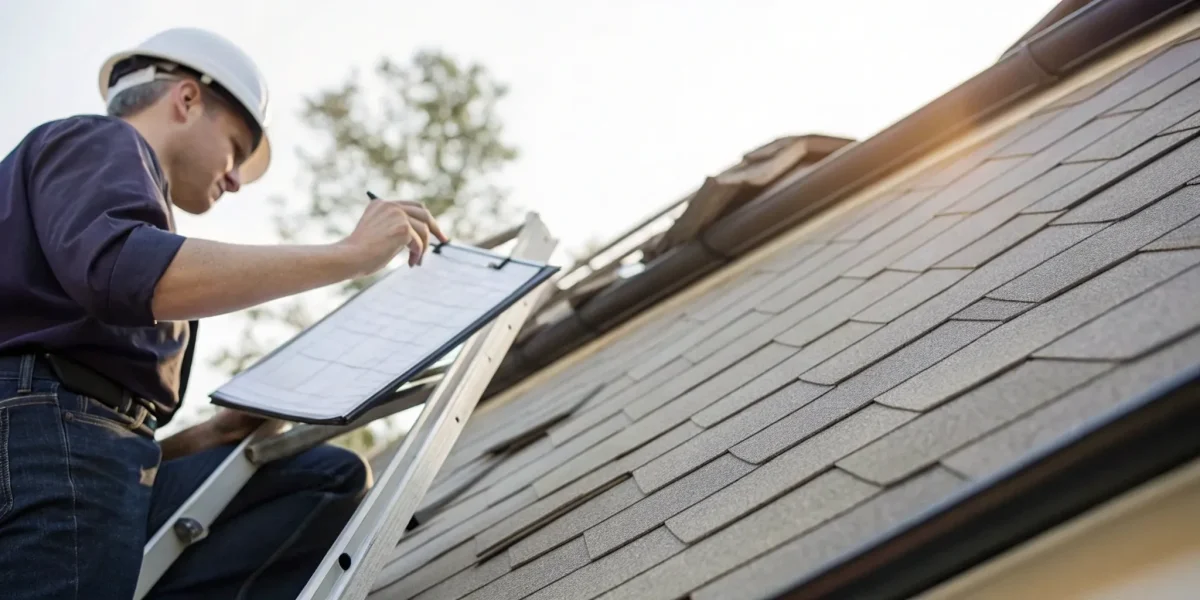
You’ve probably seen the offers for “free roof inspections,” but it’s important to understand what you’re actually getting. Often, these are quick visual checks from a salesperson whose main goal is to sell you a new roof. A certified roof damage inspection report, on the other hand, is something entirely different. It’s a comprehensive assessment performed by an impartial, trained professional who follows a strict set of industry standards. Their job isn’t to make a sale; it’s to provide you with a detailed, factual account of your roof’s health. This official document gives you the unbiased information you need to make smart decisions, whether you’re dealing with an insurance adjuster, a potential homebuyer, or your own maintenance budget.
Key Takeaways
- Use a certified report as your official proof: This document provides the unbiased, expert evidence you need to validate insurance claims, justify your home’s value in a real estate deal, and prevent small issues from becoming major expenses.
- Prioritize an unbiased assessment over a sales pitch: A certified inspector’s job is to give you an accurate, fact-based evaluation of your roof’s condition, unlike a free check-up from a contractor whose main goal is often to sell you repairs.
- Schedule inspections at key moments: Get the most value from a certified inspection by scheduling one at three critical times: after a major storm, before buying or selling a property, and annually as part of your proactive maintenance plan.
What Is a Certified Roof Damage Inspection Report?
After a major storm or during a real estate transaction, you might hear the term “roof inspection.” But not all inspections are created equal. A certified roof damage inspection report is a formal, detailed document created by a qualified professional who has thoroughly examined your roof. Think of it as a complete health check-up for the top of your house. It goes far beyond a quick glance from the ground. The inspector assesses every aspect of the roofing system—from the shingles and flashing on the outside to the decking and ventilation in the attic.
This report is the official record of your roof’s condition at a specific point in time. It meticulously documents any existing damage, areas of potential concern, and the overall structural integrity. This isn’t just a piece of paper; it’s a crucial tool for various property stakeholders, including homeowners filing insurance claims, buyers wanting peace of mind, and sellers looking to provide transparency. The report gives you a clear, unbiased, and expert opinion, which is essential for making informed decisions about repairs, maintenance, or property negotiations. It provides the evidence you need to move forward with confidence.
What’s Inside a Certified Report?
When you receive a certified report, you can expect a comprehensive breakdown of your roof’s condition. An NRCIA inspector conducts a detailed assessment of the roof’s exterior, the attic space, and even the interior of your home for signs of leaks. The report will include high-resolution photos that clearly show any damage, such as cracked shingles, compromised seals, or hail impacts. It will also provide a written analysis of these findings, explaining what they mean for your roof’s health. You’ll get an expert evaluation of the remaining lifespan of your roof and specific, actionable recommendations for any necessary repairs, which helps you prioritize and plan for the future.
Certified vs. Basic Inspections: What’s the Difference?
It’s important to understand the distinction between a basic or “free” inspection and a certified one. A free inspection is often a quick visual check performed by a roofing contractor whose primary goal is to sell you a new roof. The report, if you get one, might be little more than a sales quote. A certified inspection, on the other hand, is an unbiased, in-depth assessment performed by a trained professional who follows a strict set of standards. The goal is to provide an accurate picture of your roof’s health, not to make a sale. This certification is a snapshot of your roof’s condition today, while a warranty is a promise to cover future issues. With NRCIA, a successful inspection leads to a LeakFREE® certification, which often includes a warranty—giving you both an expert opinion and future protection.
Why Do You Need a Certified Roof Damage Report?
Think of a certified roof damage report as more than just an assessment—it’s a strategic tool for protecting your property. Whether you’re dealing with the aftermath of a storm, preparing to sell, or simply staying on top of maintenance, this detailed document provides the clarity and authority you need. It moves beyond a basic look-over to deliver a comprehensive, unbiased evaluation of your roof’s condition. This official report can be a game-changer when it comes to handling insurance claims, preserving your property’s value, and preventing small issues from turning into major expenses.
Strengthen Your Insurance Claim
When you file an insurance claim for roof damage, your provider needs clear, credible evidence. A certified report delivers exactly that. Unlike a simple estimate from a contractor, a certified inspection involves a thorough assessment of the roof’s condition by a qualified professional who documents everything with precision. This detailed report, complete with photos and standardized observations, gives your claim the weight it needs. It shows the insurance company that the damage has been verified by an impartial expert, which can lead to a smoother, faster, and more successful claims process for the homeowners and property managers we work with.
Protect Your Property’s Value
Your roof is one of your property’s most critical assets, and its condition directly impacts the overall value. A certified report helps you proactively identify and address any issues, ensuring the roof’s longevity and performance. If you’re planning to sell, providing a certification shows potential buyers that the roof is in solid shape, which can help you sell faster and for a better price. Offering the assurance of LeakFREE® roof protection gives buyers confidence and sets your property apart, turning a potential point of contention into a strong selling feature.
Catch Problems Early and Save Money
The most expensive repairs are often the ones that could have been prevented. Regular, certified inspections help you catch minor issues like storm damage, installation errors, or material defects before they escalate into costly structural problems. A small, inexpensive fix today can save you from a massive headache and a huge bill down the road. By investing in a professional inspection, you ensure your property is protected and that necessary repairs happen before problems spiral out of control. It’s the smartest way to manage your maintenance budget and protect your investment for the long term.
Who Provides Certified Roof Inspection Reports?
When you need a certified roof inspection report, you can’t just call any roofer. This type of detailed assessment requires a professional with specific training and credentials. A certified inspector has gone through a rigorous process to prove they can accurately evaluate a roof’s condition, identify potential issues, and provide the documentation you need for insurance claims, real estate transactions, or simply your own peace of mind. Think of them as specialists who can translate the complex story of your roof into a clear, actionable report. Choosing the right professional is the first and most important step in getting a reliable and trustworthy assessment of your property’s most critical asset.
The Role of an NRCIA Certified Inspector
An NRCIA Certified Inspector is more than just a roofer; they are a trained specialist dedicated to providing an unbiased, thorough evaluation of your roof. Their primary role is to conduct a detailed inspection based on a national standard, ensuring every component is assessed consistently and accurately. These inspectors serve a wide range of clients, from homeowners needing assurance after a storm to real estate agents facilitating a smooth transaction. They document their findings in a comprehensive report, complete with photos and clear explanations, giving you the expert guidance needed to protect your home. Their work is crucial for securing a LeakFREE® Roof Certification, which provides an extra layer of protection and value.
What Qualifications to Look For
When you’re looking for a certified inspector, the key is to find someone whose credentials guarantee expertise. The most reliable inspectors have completed an in-depth training and education program that covers all types of roofing systems, common points of failure, and industry best practices. Certifications from reputable organizations like the NRCIA show that an inspector is committed to upholding high standards. A qualified professional should be able to explain their process clearly and answer your questions confidently. Don’t hesitate to ask about their experience with roofs similar to yours and the specific criteria they use during their evaluation. This ensures you’re working with someone who truly understands the nuances of roof inspection.
How to Verify an Inspector’s Certification
Verifying an inspector’s certification is a simple step that provides significant peace of mind. Before hiring someone, ask for their certification number and the name of the issuing organization. Reputable organizations, including the NRCIA, make it easy to confirm a professional’s credentials. You can typically visit the organization’s website or call them to ensure the certification is active and in good standing. This quick check confirms you’re hiring a legitimate expert who is accountable to a professional standard. Taking a few minutes to verify their status ensures the report you receive will be credible, accurate, and recognized by insurance companies, lenders, and other stakeholders.
What to Expect in Your Certified Inspection Report
After your inspector leaves, you’ll receive a comprehensive report that breaks down the condition of your roof. Think of it as a complete health record for one of your home’s most critical assets. This isn’t just a simple checklist; it’s a detailed document designed to give you a clear, unbiased understanding of your roof’s current state and expected lifespan. An NRCIA-certified report is created to be straightforward and easy to read, whether you’re a homeowner, a real estate agent, or a property manager. It translates technical findings into plain language, so you know exactly where you stand.
This report serves as your roadmap. For homeowners, it highlights areas that need attention before they become costly problems. For home buyers, it provides the leverage and confidence needed to make a smart purchase. And for sellers, it’s a powerful tool that demonstrates transparency and adds value to your property. The goal is to equip you with objective, expert information so you can make confident decisions about maintenance, repairs, or real estate transactions. It’s a vital resource for the many different professionals and property owners who rely on a roof’s integrity.
A Detailed Look at Damage (With Photos)
They say a picture is worth a thousand words, and that’s especially true when it comes to your roof. Your certified inspection report will include a detailed visual record of your roof’s condition. A professional inspector will thoroughly check your roof for any problems, big or small, and document their findings with high-resolution photos. This isn’t just about snapping a few pictures of obvious damage; it’s about creating a complete visual inventory of everything from cracked shingles and failing flashing to signs of water intrusion in the attic. This photographic evidence provides indisputable proof of the roof’s condition, which is invaluable for insurance claims or negotiations in a real estate deal.
Clear Repair Recommendations
A great report doesn’t just tell you what’s wrong—it tells you how to make it right. Based on the detailed assessment, your inspector will provide clear, prioritized recommendations for any necessary repairs or maintenance. This isn’t an upsell; it’s a professional opinion on what it will take to ensure the roof meets certification requirements. You’ll get an actionable list that explains what needs to be fixed and why it’s important. This takes the guesswork out of the equation, giving you a clear path forward to extend the life of your roof and prevent minor issues from turning into major headaches down the road.
Understanding Your Certification and Warranty
It’s important to know the difference between a roof certification and a warranty, as they serve two distinct purposes. A certification is a snapshot of your roof’s health today. It’s an expert’s professional opinion, based on a thorough inspection, that your roof is in good condition and free of leaks at that moment. A warranty, on the other hand, is a promise to address problems that might happen in the future. With the NRCIA, once any required repairs are completed, your roof can qualify for a LeakFREE® roof certification, which includes a warranty. This gives you true peace of mind, knowing you’re protected against future leaks.
How Much Does a Certified Roof Inspection Cost?
Let’s get straight to the point: you want to know what to budget for a certified roof inspection. On average, homeowners can expect to pay around $247 for a professional inspection. Most people find their final cost lands somewhere between $125 and $376. However, that price can swing quite a bit, from as low as $75 for a very simple job to as much as $1,000 for a complex, large-scale roof.
Why such a wide range? The final price tag depends on the unique characteristics of your roof and the depth of the inspection required. A straightforward visual check on a small, single-story home will cost less than a detailed infrared inspection on a multi-level property with a steep pitch. Think of the initial quote as a baseline. The specific details of your property will determine where your project falls on the pricing spectrum. Understanding these variables will help you see exactly what you’re paying for and why it’s a crucial service for your home.
Factors That Influence the Price
Several factors can influence the cost of your certified roof inspection, so it’s helpful to know what to expect. The size and pitch of your roof are major contributors; a larger or steeper roof requires more time and safety equipment. The roofing material also matters, as inspecting slate or tile can be more complex than standard asphalt shingles. The type of inspection plays a role, too—a basic physical check will cost less than an advanced drone or infrared assessment designed to detect hidden moisture. Finally, your geographic location and the current extent of any damage will also affect the final price.
Why It’s a Worthwhile Investment
It’s easy to focus on the upfront cost, but a certified roof inspection is truly an investment in your property’s long-term health and value. It’s a proactive step that helps you catch minor issues like loose shingles or failing flashing before they turn into major leaks and expensive structural damage. By identifying and addressing problems early, you safeguard your home and prevent much larger repair bills down the road. This is the core principle behind obtaining a LeakFREE® roof certification, which ensures your roof’s integrity and gives you documented proof of its condition—a powerful tool for insurance, financing, or selling your home.
What Happens During the Certified Inspection?
Getting a certified roof inspection is a straightforward process that gives you a clear picture of your roof’s health. Knowing what to expect can help you feel prepared and confident from start to finish. The process breaks down into three simple phases: preparing for the visit, the inspection itself, and reviewing your detailed report.
Before the Inspector Arrives
Maybe your neighbor is getting a new roof, or you’ve just been through a heavy storm. If it’s been a while since your roof was checked, the first step is to schedule an inspection. To help your inspector work efficiently, you can do a few things to prepare. Clear any obstacles like vehicles, patio furniture, or toys from the perimeter of your home to provide easy and safe access to the roofline. It’s also helpful to gather any documents you have about your roof, such as its age, warranty information, or records of past repairs. This process is simple for all the different clients the NRCIA serves, from homeowners to property managers.
What to Expect on Inspection Day
On the day of the inspection, a certified professional will perform a thorough assessment to determine your roof’s condition. This isn’t just a quick glance from the ground. Inspectors often walk on the roof to look closely at every component, from shingles and flashing to vents and gutters. They may also use special tools like infrared cameras to find hidden moisture or drones to view hard-to-reach spots. The goal is to identify any problems, big or small, and gather all the information needed to see if your roof qualifies for a LeakFREE® certification. The inspector will document everything meticulously for your final report.
Receiving and Reading Your Report
After the inspection, you’ll get a detailed report with pictures that clearly explain the findings. This document is your roadmap to understanding your roof’s current state. If repairs are needed, the report will provide clear recommendations and often includes estimates to help you plan your next steps. NRCIA inspectors use professional inspection software to create reports that are consistent, easy to read, and packed with valuable information. This report is the key to moving forward, whether that means scheduling repairs or enjoying the peace of mind that comes with a certified, protected roof.
How Certified Reports Help in Real Estate
A roof is one of the most critical—and expensive—components of a home, making it a major point of contention in real estate deals. A certified roof damage inspection report cuts through the uncertainty for everyone involved. Instead of relying on guesswork or a quick visual check, both parties get a detailed, unbiased assessment of the roof’s condition from a qualified professional. This document transforms the negotiation process, replacing anxiety with facts and building a foundation of trust. For real estate agents, it’s a tool that can prevent deals from falling apart over last-minute roofing surprises. For buyers and sellers, it’s the key to a transparent and fair transaction. An NRCIA certified inspection provides this clarity, ensuring that the state of the roof is clearly documented, which helps set realistic expectations and streamlines the path to closing.
How Sellers Gain an Edge
As a seller, a certified roof inspection report is one of the smartest moves you can make before listing your home. It gives you a significant advantage by demonstrating transparency and showing that your property is well-maintained. This proactive step can help you justify your asking price and attract serious buyers who are looking for a move-in-ready home. By identifying and addressing any potential issues beforehand, you avoid being blindsided by a buyer’s inspection report, which could lead to stressful, last-minute negotiations or even a canceled contract. Presenting a LeakFREE® certification upfront provides buyers with peace of mind and shows that you’ve invested in the long-term health of your property, making your home stand out in a competitive market.
How Buyers Gain Confidence and Leverage
For a buyer, the fear of the unknown can be overwhelming, especially when it comes to a potential five-figure roof replacement. A certified report from a trusted inspector removes that fear. It provides a comprehensive overview of the roof’s condition, complete with photos and detailed notes, so you know exactly what you’re buying. This information gives you the confidence to make a strong, informed offer. If the report uncovers issues, you have clear, documented evidence to negotiate repairs or a price adjustment. This isn’t just about finding problems; it’s about gaining certainty. Knowing the roof has been professionally vetted by an NRCIA inspector allows you to focus on the other aspects of your new home, secure in the knowledge that you won’t face an unexpected roofing crisis right after moving in.
Making the Transaction Process Smoother
Ultimately, a certified roof inspection report serves as a neutral, fact-based document that benefits everyone at the closing table. It minimizes the back-and-forth between buyer and seller by providing a clear, professional opinion on the roof’s lifespan and any necessary repairs. This clarity is crucial for mortgage lenders and insurance companies, who often require proof that the roof is in good condition before approving financing or coverage. Unlike a basic inspection, an NRCIA certification often comes with a warranty, which protects against future leaks or installation errors. This added layer of protection makes the property more attractive and assures all parties that the roof is a sound investment, helping the entire transaction proceed without delays or disputes.
When Should You Schedule a Certified Roof Inspection?
Knowing when to call in a professional for a roof inspection can feel like a guessing game. Do you wait until you see a water spot on the ceiling? Or is there a better time? The truth is, a certified roof inspection is one of the most powerful tools you have for protecting your property, and it’s not just for emergencies. Think of it as a strategic check-up that saves you money, stress, and surprises down the line.
Unlike a basic look-over from a roofer who might be looking for a repair job, a certified inspection is an unbiased, comprehensive evaluation of your roof’s current condition, performed by a trained professional following a strict set of standards. It’s designed to give you a complete picture, from the state of the shingles down to the integrity of the flashing and underlayment. There are a few key moments when scheduling a certified inspection is a non-negotiable, smart move. Whether you’re dealing with the aftermath of a wild storm, navigating a real estate transaction, or simply staying on top of routine maintenance, a detailed report from a certified professional gives you the clarity you need to make informed decisions. It’s about being proactive rather than reactive, and taking control of one of your property’s most critical assets.
After a Major Storm
After a major storm with high winds, hail, or heavy rain, your roof takes the biggest hit. Damage isn’t always obvious from the ground—missing shingles are easy to spot, but subtle issues like lifted flashing, hail bruises, or compromised seals are much harder to see. If you suspect damage, your first call should be to your insurance company. They will likely send their own inspector, but getting a second opinion from an NRCIA certified inspector provides an unbiased, thorough assessment. This independent report can be crucial for validating your insurance claim and ensuring you get the funds needed for a proper repair, not just a quick patch job.
Before You Buy or Sell
A roof is one of the most expensive components of a home, making it a major point of concern in any real estate deal. If you’re selling your home, a pre-listing inspection that results in a LeakFREE® Certification is a powerful marketing tool. It shows potential buyers the roof is in solid condition, which can help you sell faster and for a better price. For buyers, a certified inspection is your best defense against hidden problems. It ensures everyone knows the roof’s true condition, giving you peace of mind and valuable leverage during negotiations. It’s the best way to avoid the unwelcome surprise of a five-figure roof replacement right after you move in.
For Regular Property Maintenance
Just like changing the oil in your car, regular roof maintenance is essential for longevity. Most experts agree that roof inspections should be performed every year. This proactive approach is about catching small issues before they become catastrophic failures. A certified inspector can spot deteriorating seals, clogged gutters, or minor damage that, if left alone, could lead to extensive water damage and costly repairs. Regular inspections by a professional not only safeguard your home’s appearance and value but also help you budget for future needs. It’s the simplest way to extend the life of your roof and protect the entire structure underneath it.
Common Myths About Certified Roof Inspections
When it comes to roof inspections, a few common misunderstandings can lead to costly mistakes. Let’s clear up some of the biggest myths so you can make informed decisions about protecting your property. Getting the facts straight helps you see why a certified inspection isn’t just another item on a checklist—it’s a crucial step in safeguarding your home or building.
From thinking any contractor has the right skills to dismissing certification as a meaningless document, these misconceptions can leave you vulnerable. We’ll break down why specialized expertise and a formal certification process are so important for the long-term health of your roof.
Myth: “Any Inspection Will Do”
It’s easy to assume that any roofer or general contractor can give your roof a proper check-up, but that’s not quite right. A certified roof inspector has specialized training to spot subtle signs of damage or wear that an untrained eye would likely miss. They follow a standardized process to ensure nothing is overlooked, from the shingles down to the decking. Even brand-new roofs benefit from an inspection to catch any installation errors or material defects early on. Thinking any inspection is good enough can lead to missed problems that grow into expensive, stressful repairs down the road.
Myth: “Certification Is Just a Piece of Paper”
Some people believe a roof certification is just a formality without any real value, but it’s much more than that. A certification is proof that your roof has passed a comprehensive, multi-point inspection conducted by a qualified professional. This isn’t just about getting a passing grade; it’s about proactive protection. The process identifies potential issues before they become major headaches, ensuring your roof is sound. This documentation provides peace of mind and can be a powerful tool when selling your property or filing an insurance claim, ultimately protecting your investment with a LeakFREE® warranty.
How to Choose the Right Certified Roof Inspector
Finding the right inspector can feel like a big task, but it’s one of the most important steps you can take to protect your property. The key is to look for a professional who combines formal training with real-world experience. When you start your search, prioritize inspectors who hold a current certification from a reputable organization. Many insurance carriers prefer, or even require, reports from certified inspectors because it guarantees a certain level of knowledge and adherence to industry standards.
Beyond the paperwork, look for someone with a solid background in the field. Many of the best inspectors got their start as roofing contractors or in construction, giving them invaluable hands-on experience. They’ve seen it all and can spot subtle issues that others might miss. This combination of practical skill and formal education is what sets a great inspector apart. Choosing an inspector with a comprehensive training portfolio ensures they have the expertise to give you a truly accurate assessment of your roof’s condition, giving you confidence in their findings and recommendations.
Questions to Ask Your Inspector
Before you hire anyone, it’s smart to have a quick chat to make sure they’re the right fit. Think of it as a mini-interview to understand their process and expertise.
Here are a few key questions to ask:
- Can you walk me through your inspection process? A professional inspector should be able to clearly explain the steps they take, from the initial visual check to a more detailed examination of the roofing materials, flashing, and structure.
- What kind of recommendations will you provide? A thorough report doesn’t just list problems; it offers clear, actionable solutions. Your inspector should be able to guide you on the necessary repairs or maintenance to get your roof in top shape and potentially qualify for a LeakFREE® certification.
Red Flags to Watch Out For
Just as important as knowing what to look for is knowing what to avoid. A few warning signs can help you steer clear of underqualified or unprofessional inspectors. The biggest red flag is a lack of proper, verifiable certification. If an inspector is hesitant to show you their credentials, consider it a dealbreaker. A true professional will be proud of their qualifications.
Another warning sign is a lack of transparency. Your inspector should be open and willing to provide documentation and answer your questions clearly. Be cautious of anyone who seems vague about their process or rushes through your concerns. A reputable inspector, like one who is part of the NRCIA network, is committed to providing a detailed, unbiased assessment, not pressuring you into unnecessary repairs.
Related Articles
- Roof Certification Archives – NRCIA
- Inspection Report Archives – NRCIA
- Roof Inspection by NRCIA Certified Professionals
- Roof Inspections – NRCIA
- Comprehensive Roof Inspection – NRCIA
Frequently Asked Questions
What’s the real difference between a certified inspection and a free one from a roofer? The biggest difference comes down to motive. A free inspection is typically a sales tool used by a roofing company to generate business, so their report might focus on what they can sell you. A certified inspection is a professional service you pay for. The inspector’s only job is to provide a completely unbiased and thorough assessment of your roof’s condition based on a strict set of standards, giving you an accurate picture without any sales pressure.
Is a roof certification the same thing as a warranty? They are two different things that work together to protect your home. Think of a certification as a snapshot in time—it’s an expert’s official statement that your roof is in good, leak-free condition on the day of the inspection. A warranty, on the other hand, is a promise to cover certain problems that might pop up in the future. With the NRCIA, a successful inspection leads to a LeakFREE® certification, which also includes a warranty to protect you against future leaks.
If the report finds problems, do I have to use a specific company for the repairs? Not at all. The certified report is an independent, objective document that outlines any necessary repairs to bring your roof up to standard. You are free to hire any qualified and insured roofing contractor you trust to perform the work. The report simply gives you a clear, expert-backed roadmap to follow, ensuring the right issues are addressed correctly, no matter who does the job.
How long does a typical roof inspection take? The time it takes can vary, but most standard residential roof inspections are completed within one to three hours. The final duration depends on several factors, including the size of your home, the complexity and steepness of the roof, and the type of roofing material. The inspector will be thorough, so they’ll take the time needed to carefully assess every aspect of your roofing system.
How often should I get my roof inspected if there hasn’t been a major storm? For routine maintenance, it’s a smart practice to have your roof professionally inspected once a year. Think of it like an annual health check-up for your home. This proactive approach helps you catch small, inexpensive issues like deteriorating seals or minor damage before they have a chance to become major, costly problems. Regular inspections are the best way to extend the life of your roof and protect your entire property.
