
Why does one homeowner pay $150 for a roof inspection while their friend in the next state pays $500? This question is at the heart of many online discussions. If you’ve ever searched ‘roof inspection cost reddit,’ you’ve seen the wide range of prices people report, and it can be confusing. The truth is, the cost isn’t arbitrary. It’s a tailored price based on specific factors like your roof’s size, complexity, material, and even your geographic location. We’re breaking down these variables to help you understand what goes into a quote, so you can feel confident you’re getting a fair price for a thorough, professional assessment.
Key Takeaways
- Prioritize an Objective Assessment Over a “Free” Offer: A free inspection from a contractor is a sales tool, not an unbiased evaluation. Investing in a paid report from a certified inspector provides the impartial information you need for major decisions like buying a home or filing an insurance claim, saving you from sales pressure and unnecessary repairs.
- Treat Roof Inspections as Proactive Maintenance, Not an Emergency Fix: Waiting for a storm or a leak is a costly mistake. A professional inspection is essential during real estate transactions, for insurance compliance, and as routine upkeep every few years to extend your roof’s lifespan and prevent small issues from turning into major structural damage.
- Look Beyond Price to an Inspector’s Qualifications: While costs vary based on your roof’s size, material, and location, the true value comes from the inspector’s expertise. A certified specialist has the training to provide a detailed, accurate report, unlike a generalist who may only perform a quick visual check. This expertise is what protects your investment.
What Reddit Says About Roof Inspection Costs
When you want the real scoop on what something actually costs, where do you go? For many, the answer is Reddit. It’s a goldmine of firsthand accounts from homeowners, buyers, and even roofing pros who are willing to share what they’ve paid without a sales pitch attached. We sifted through the threads to see what people are really saying about the price of a professional roof inspection, because let’s be honest, it can be confusing. You see ads for “free” inspections right next to quotes for several hundred dollars. So, what’s the real deal?
The conversations on Reddit reveal a lot about what you can expect to pay and why the price can vary so much. It’s clear that while a “free” offer from a contractor is tempting, many users advocate for paying for an independent, unbiased assessment. This is especially true when the stakes are high, like during a home purchase or for insurance purposes. To help you make sense of it all, we’ve broken down the three biggest takeaways from the Reddit community: the typical price range you can expect, how your location plays a huge role, and the ongoing debate about free versus paid inspections.
The Average Price Tag
So, what’s the magic number? According to dozens of discussions on Reddit, a standard roof inspection in the U.S. typically costs between $120 and $600. Most users report that the national average seems to land somewhere in the $250 to $300 range. This isn’t a one-size-fits-all price, of course. The final cost depends heavily on the size and complexity of your roof, the type of materials, and exactly what services are included in the inspection. Think of this range as a solid starting point for budgeting.
How Location Impacts Cost
One thing Reddit users consistently point out is that where you live matters. A homeowner in a coastal area prone to hurricanes will have different inspection needs than someone in a region with heavy snowfall. Users mention that factors like the age and type of your roof (think shingles versus tile) can make insurance companies in certain states more interested in a detailed inspection. This is because local climate, building codes, and even the prevalence of specific issues like hail damage can influence the scope and, therefore, the cost of a thorough assessment.
The Free vs. Paid Inspection Debate
This is a hot topic on Reddit. You’ll see many posts from roofing companies offering “free inspections.” While tempting, users often caution that these are typically sales calls in disguise. The goal is often to find damage and sell you on repairs or a full roof replacement. In contrast, a paid inspection from a certified professional is meant to be an objective, unbiased evaluation of your roof’s condition. This is a critical distinction for homeowners and real estate agents who need a trustworthy report without the sales pressure.
What Factors Influence the Price of a Roof Inspection?
Figuring out the cost of a roof inspection isn’t as simple as looking up a price online. The final quote you receive is a tailored price based on the unique characteristics of your property. Think of it less like buying a product and more like commissioning a service—the cost reflects the time, expertise, and risk involved. Several key factors come into play, from the sheer size of your roof to the materials it’s made of. Understanding these variables will help you see why one quote might differ from another and allow you to budget more accurately, whether you’re a homeowner, a real estate agent, or a property manager. For the many different types of clients we serve, knowing what goes into the price is the first step toward making an informed decision.
Your Roof’s Size and Complexity
It makes sense that a larger roof takes more time to inspect, and that extra time is reflected in the cost. An inspector has more square footage to cover, checking every shingle, flashing, and seam along the way. But it’s not just about size; complexity plays a huge role, too. A simple, flat roof on a small commercial building is much quicker to assess than a residential roof with multiple gables, valleys, dormers, and skylights. Each of these features adds a potential point for leaks and requires careful, detailed examination, which naturally increases the inspection time and, therefore, the price.
The Type and Age of Your Roofing Materials
The material covering your roof is a major factor in the inspection cost. Common asphalt shingles are typically the most straightforward and affordable to inspect. On the other hand, materials like metal, tile, or slate demand more specialized knowledge. A metal roof inspection involves checking for rust, corrosion, and loose fasteners. Tile and slate are fragile and can be damaged if not walked on correctly, so your inspector needs specific experience to avoid causing new problems. This expertise comes at a premium. The age of your roof also matters, as older materials often require a more intensive search for signs of wear, brittleness, or deterioration.
Your Home’s Location
Where you live has a direct impact on what you’ll pay for a roof inspection. Labor costs and the general cost of doing business vary significantly from one city to another. An inspection in a dense urban area with a high cost of living will almost always be more expensive than the same inspection in a rural community. That’s why a price that seems high to a friend in another state might be the standard rate for your area. It’s always a good idea to get a few local quotes to get a feel for the market price where you are.
Accessibility and Pitch
How easy is it to get onto your roof? A single-story home with a low-slope roof is simple to access and walk on. A steep, three-story roof surrounded by trees and landscaping is a different story entirely. The pitch, or steepness, of your roof is a key cost factor because it directly relates to safety. A high-pitched roof requires inspectors to use specialized safety equipment and take extra precautions, which adds to the time and risk involved. If your roof is difficult to access, that can also increase the price, as it may require taller ladders or more setup time before the inspection can even begin. A quality inspection ensures every detail is checked, leading to the peace of mind that comes with a LeakFREE® certified roof.
Who Inspects Roofs and What Do They Charge?
When you need your roof checked, figuring out who to call can feel like a job in itself. The right professional depends entirely on your situation. Are you buying a home and need a general overview? Are you worried about a specific leak or potential storm damage? Or do you need a detailed report for your insurance company? Each scenario might point you to a different expert.
The cost of a roof inspection can swing wildly, from completely free to over a thousand dollars. This price difference comes down to the inspector’s qualifications, the depth of the inspection, and their ultimate goal. A free look from a contractor is often a sales tool, while a detailed analysis from a certified inspector or engineer is a professional assessment service. Understanding the key players will help you choose the right person for the job and know what to expect in terms of cost and quality. The NRCIA serves a wide range of property stakeholders, ensuring there’s a certified professional for every need.
NRCIA Certified Inspectors
Think of an NRCIA Certified Inspector as a roof specialist. They’ve gone through extensive training and education focused solely on roofs, so their expertise is deep and specific. Their job isn’t to sell you a new roof; it’s to give you an unbiased, detailed report on its current condition. They are trained to spot subtle issues that a generalist might miss, from improper flashing to early signs of material failure. Because they are independent, you can trust their assessment is objective. This type of inspection is ideal when you need a comprehensive understanding of your roof’s health, especially for insurance purposes or when buying a home. While it’s a paid service, you’re paying for expertise and peace of mind.
General Home Inspectors
If you’re in the process of buying a house, you’ll almost certainly hire a general home inspector. Their job is to assess the entire property, from the foundation to the attic, and the roof is just one part of their checklist. A home inspector will typically perform a visual inspection from the ground or a ladder, noting obvious issues like missing shingles or visible water damage. However, they aren’t roof specialists. If they see anything concerning, their report will often recommend that you hire a qualified roofing expert for a more thorough evaluation. The cost for their roof check is bundled into their overall fee, which usually runs between $300 and $600 for the entire home.
Roofing Contractors
Many roofing companies offer “free” inspections, which can be a great option if you’ve just been through a hailstorm and want to check for damage. However, it’s important to remember that their primary business is selling and installing roofs. A free inspection is often a lead-generation tool, and there can be pressure to approve repairs or a full replacement. Some contractors also offer paid inspections for documentation purposes, with homeowners reporting quotes in the $400-$500 range for an insurance report. A contractor can be a good resource, but for a truly unbiased opinion, a third-party inspector is usually the better choice.
Structural Engineers
When you have serious concerns about your roof’s stability—like noticeable sagging, major leaks that no one can seem to pinpoint, or questions about the roof’s ability to handle a heavy snow load—it’s time to call a structural engineer. These professionals analyze the entire system, including the trusses, supports, and decking, to ensure its structural integrity. This is the most intensive and expensive type of inspection, often costing $500 to $1,000 or more. You don’t need an engineer for a routine check-up, but for complex and potentially dangerous issues, their expertise is absolutely essential.
What Happens During a Professional Roof Inspection?
A professional roof inspection is much more than a quick glance from the ground. It’s a thorough health check for your entire roofing system, designed to spot small issues before they turn into costly disasters. Think of it as a doctor’s visit for your home’s first line of defense. A certified inspector follows a meticulous process, examining every component from the inside out to give you a complete picture of your roof’s condition.
This systematic approach is crucial because a roof is more than just shingles. It’s an interconnected system of materials that work together to protect your home. The inspection covers the visible exterior surfaces, the hidden interior structure in your attic, and everything in between. After the physical assessment is complete, you’ll receive a detailed report that breaks down the findings in plain English, so you know exactly what’s going on above your head and what steps to take next. This level of detail is something that inspectors who have completed standardized training are equipped to provide, ensuring you get consistent, reliable information every time.
The Exterior Assessment
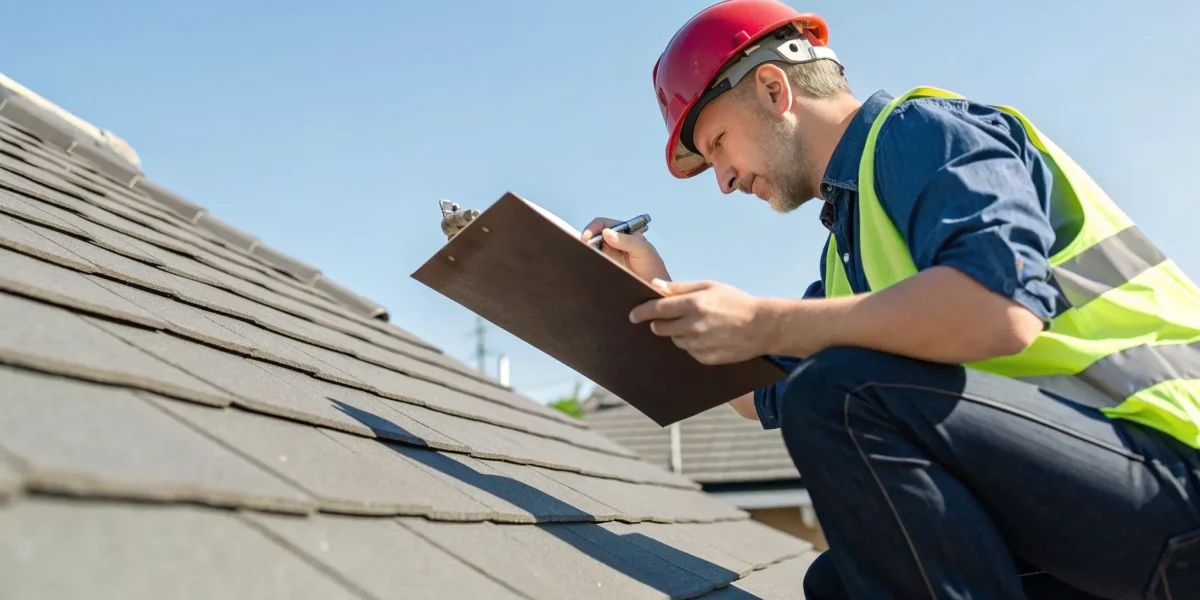
The exterior assessment is where the hands-on work begins. Your inspector will get up on the roof to examine the condition of your roofing materials up close. They’ll look for shingles that are cracked, curling, or missing, as these are entry points for water. A key focus is the flashing—the metal strips that seal the joints around chimneys, vents, and skylights. Damaged or improperly installed flashing is one of the most common causes of leaks. The inspection also covers the gutters and downspouts to ensure they are clear of debris and functioning correctly, as well as the condition of the soffit, fascia, and any visible roof vents.
The Interior Check-Up
A truly comprehensive inspection doesn’t stop on the outside. Your inspector will also need to access your attic or the space directly below the roof deck. This interior check-up is vital for catching problems that aren’t visible from the surface. Inside, they’ll look for signs of water intrusion, such as dark stains on the wood, mold, or mildew. They will also check for proper ventilation and insulation, as poor airflow can lead to moisture buildup and heat damage. Finally, they’ll examine the roof’s underlying structure for any sagging, rot, or damage that could compromise its integrity. This inside look provides a complete diagnostic of your roof’s health.
Understanding Your Final Report
After the physical inspection is done, you’ll receive a final report that details everything the inspector found. This isn’t just a simple pass/fail checklist. A quality report, often generated with specialized inspection software, will include a clear summary of your roof’s overall condition, supported by photos of any specific areas of concern. It will outline any recommended repairs or maintenance, explain why they are necessary, and give you a general idea of the roof’s remaining lifespan. The goal is to provide you with clear, actionable information so you can make informed decisions about protecting your home.
How Long the Inspection Takes
The time it takes to complete a roof inspection can vary quite a bit. For a smaller, straightforward roof on a single-story home, an inspector might be done in as little as 30 to 45 minutes. However, for a larger, more complex roof with multiple levels, a steep pitch, or difficult access, the process could take a few hours. The inspector needs enough time to be thorough and safely assess every component. If there are known issues or recent storm damage, they may also spend extra time documenting the extent of the problems. Your inspector can usually give you a time estimate before they begin.
Are “Free” Roof Inspections Really Free? A Reddit Deep Dive
The offer of a “free” roof inspection is a hot topic on Reddit, and for good reason. While it sounds like a great deal, the consensus is clear: you often get what you pay for. A free inspection from a roofing company is usually a sales tool, not a purely objective assessment. The goal is to find problems they can get paid to fix. This doesn’t mean every contractor is dishonest, but their primary motivation is to sell you a service, whether it’s a minor repair or a full roof replacement. Understanding this dynamic is the first step to figuring out if a free inspection is the right move for you.
The Hidden Costs of a Free Service
When a roofing company offers a free inspection, they’re making a calculated business decision. They invest time and resources with the expectation of winning a profitable job. If they find damage and you hire them for the repair, the “cost” of that initial inspection is simply absorbed into the final bill. You might not see it as a line item, but it’s factored into their pricing. This model can create a conflict of interest, as there’s a financial incentive to find problems—even minor ones—and recommend the most expensive solution. It’s less of a free service and more of a free estimate disguised as an inspection.
Sales Pressure vs. an Objective Opinion
The biggest difference between a free and a paid inspection is the motivation behind it. A contractor offering a free look is there to sell. A paid inspector is there to provide information. Their only product is their expert, unbiased report. This is why many property stakeholders—from homeowners to real estate agents—opt for a certified inspector who has no financial stake in any potential repairs. You pay for their time and expertise, and in return, you get a straightforward assessment of your roof’s condition without any sales pressure. This allows you to make decisions based on facts, not fear.
When a Paid Inspection Is the Smarter Choice
Investing in a paid inspection is almost always the smarter choice when the stakes are high. If you’re buying a home, filing an insurance claim, or getting a second opinion on a five-figure replacement quote, you need unbiased information. Paying a few hundred dollars for a detailed report from a certified professional can save you thousands in the long run by preventing unnecessary work or catching a major issue before it becomes a catastrophe. A thorough inspection is also the first step toward securing a LeakFREE® roof certification, which provides an actual warranty and peace of mind that a free estimate simply can’t offer.
Real Stories from Reddit Users
Scroll through any homeowner or roofing subreddit, and you’ll find countless stories that echo this sentiment. Users frequently share experiences of feeling pressured by contractors who turned a “free inspection” into an aggressive sales pitch for a full roof replacement. The most common advice shared by the community is to find an independent inspector or a roofing consultant who charges for their time. This ensures the advice you receive is impartial. Many Redditors recommend getting at least three quotes for any work but emphasize starting with a paid, independent inspection to get a reliable baseline of your roof’s actual condition.
How to Find a Great Inspector Without Overpaying
Finding a qualified roof inspector who won’t break the bank feels like a balancing act, but it’s completely achievable. The key is to do a little homework before you hire someone. It’s not about finding the cheapest option, but about finding the best value—an expert who will give you an honest, thorough assessment of your roof’s condition without any hidden agendas. This means looking beyond a simple price tag and considering an inspector’s experience, reputation, and the comprehensiveness of their service. A great inspector provides peace of mind, and that’s worth investing in.
By gathering recommendations from trusted sources, comparing a few different quotes, and knowing the right questions to ask, you can feel confident that you’re hiring a true professional. This process empowers you to make an informed decision rather than just picking a name from a list. A little preparation on your end can also go a long way in making the inspection process smoother and more cost-effective. Think of it as setting the stage for a successful inspection. Let’s walk through a few simple, actionable steps to help you find a great inspector and protect one of your home’s most important assets without overpaying.
Use Reddit for Local Recommendations
Online communities can be a goldmine for honest, unfiltered advice. Platforms like Reddit have local subreddits where homeowners share their real-world experiences with service professionals. You can find recommendations for independent inspectors who rely on their reputation rather than aggressive sales tactics. This community-driven approach helps you find trustworthy experts who are known for their quality work in your specific area. It’s a great way to get a feel for who your neighbors trust before you even start making calls, giving you a solid list of potential candidates to vet and research further.
Always Get More Than One Quote
Never settle for the first price you’re given. It’s smart practice to get at least two or three quotes from different inspectors or companies before making a decision. This allows you to compare not just the cost, but also the scope of the inspection being offered. One inspector might offer a more detailed report or use different technology, which could justify a higher price. If you find that most quotes are in a similar price range, you can feel confident that you’re being charged the standard market rate for your area. This simple step is one of the most effective ways to ensure you’re getting a fair deal and helps you understand the value of what you’re paying for.
Key Questions to Ask Before You Hire
Knowing what to ask can tell you a lot about an inspector’s professionalism and thoroughness. Before you commit, ask about their process. Will they physically get on the roof or just use binoculars from the ground? What specific things are they looking for? Also, inquire about their qualifications. Ask if they are a certified roof inspector, as this indicates they have specialized training and adhere to industry standards. Finally, ask what their final report looks like and if it includes photos. A detailed report with clear explanations is the sign of a true professional and gives you the documentation you need for insurance or real estate transactions.
How a Little Prep Can Lower Your Cost
A bit of proactive maintenance can make your formal inspection more efficient and potentially save you money. Before the inspector arrives, take care of any minor, obvious issues. This could mean cleaning out your gutters, trimming back overhanging tree branches, or securing a loose piece of flashing you’ve noticed. Addressing these small things shows you’re on top of your home’s upkeep. It can prevent minor issues from being flagged for more significant repairs, streamlining the inspection process and helping you avoid bigger problems down the road. It’s a simple way to present your roof in the best possible light.
When Is a Roof Inspection Absolutely Necessary?
It’s easy to think of a roof inspection as something you only do when there’s a problem, like a mysterious water stain appearing on your ceiling. But waiting for a disaster is a costly strategy. A professional roof inspection is one of the most powerful preventative tools a property owner has. Think of it as a strategic move to protect your investment, whether you’re buying a new home, maintaining the one you have, or recovering after a major storm. Getting ahead of potential issues can save you from major headaches and unexpected expenses. A small, fixable problem today can become a catastrophic failure tomorrow if left unchecked.
A certified inspector has the training to spot subtle signs of wear and tear that an untrained eye would miss, giving you a clear, unbiased picture of your roof’s health. This isn’t about a sales pitch for a new roof; it’s about getting objective data so you can make informed decisions. This information is invaluable in several key situations. From the high stakes of real estate transactions and the fine print of insurance requirements to the simple wisdom of routine upkeep, knowing when to schedule an inspection is just as important as finding the right person to do it. Let’s walk through the specific times when calling in a professional is absolutely necessary.
When You’re Buying or Selling a Home
A roof inspection is a non-negotiable part of any real estate transaction. For buyers, it’s a critical health check-up for what is arguably the most important part of the house. An inspection uncovers hidden issues that could lead to thousands in repairs, giving you leverage to negotiate or the peace of mind to close the deal. For sellers, a pre-listing inspection and a LeakFREE® roof certification can make your property more attractive, justify your asking price, and prevent last-minute surprises that could derail the sale. It shows you’ve been proactive and that the home is a solid investment.
For Insurance Purposes
Your home insurance company has a vested interest in the condition of your roof. After all, it’s the first line of defense against the elements. Insurers often require a roof inspection to assess risk before issuing or renewing a policy, especially for older roofs. The inspector’s report helps them understand the roof’s current condition and life expectancy, which directly impacts your coverage eligibility and premiums. A well-maintained roof can sometimes lead to better rates, while a neglected one could result in denied coverage. This is a standard practice for insurance companies to accurately underwrite their policies.
After Severe Weather Hits
Don’t wait for a drip in the ceiling to tell you there’s a problem. After a major storm with high winds, hail, or heavy snow, you should have your roof professionally inspected. Damage isn’t always visible from the ground. Hail can create subtle bruises that compromise your shingles, and strong winds can lift and loosen flashing around chimneys and vents, creating a pathway for water. A certified inspector can spot this kind of damage early, allowing you to file a timely insurance claim and make repairs before a small issue turns into a catastrophic leak and major interior damage.
For Routine Home Maintenance
Just like you go to the dentist for regular check-ups, your roof needs preventative care. Scheduling a routine inspection every few years is one of the smartest things a homeowner can do. A professional can identify and address minor issues—like cracked sealant, debris buildup in valleys, or deteriorating pipe boots—before they escalate into expensive problems. This proactive approach not only helps you avoid emergency repairs but also extends the lifespan of your roof, protecting your home’s value. Regular maintenance is a core part of keeping your home safe and secure for the long haul.
Common Roof Inspection Myths, Busted
When it comes to roof inspections, there’s a lot of misinformation out there. Believing these myths can lead to skipped maintenance, surprise repairs, and some serious headaches down the road. Let’s clear the air and tackle some of the most common misconceptions about roof inspections so you can make informed decisions for your property. Getting the facts straight not only protects your home but also your wallet.
Think of a roof inspection as a health check-up for your home’s most important shield against the elements. Just like you wouldn’t skip a doctor’s visit, you shouldn’t neglect your roof. Understanding the truth behind these myths is the first step toward proactive homeownership and ensuring your roof stays in top condition for years to come.
Myth: New Roofs Don’t Need an Inspection
It’s easy to assume that a brand-new roof is perfect, but that’s not always the case. Even the best contractors can make mistakes, or materials can have unseen defects. That’s why it’s a smart move to have your new roof inspected right after installation. An NRCIA certified inspector can verify that the installation was done correctly, the materials are sound, and everything is up to code. This simple step ensures your warranty remains valid and gives you peace of mind that your investment is truly protected. Think of it as quality control for one of your home’s biggest assets.
Myth: Inspections Are Only for Storm Damage
Waiting for a hurricane or a major hailstorm to think about your roof is a reactive approach that can lead to costly emergency repairs. Proactive roof inspections are about catching small issues before they become big, expensive problems. An inspector can spot things like deteriorating sealant, minor granule loss on shingles, or potential flashing issues that aren’t visible from the ground. Regular check-ups help extend the life of your roof and prevent leaks that can cause hidden water damage. This kind of preventative maintenance is crucial for both homeowners and property managers who want to protect their properties long-term.
Myth: Any Contractor Is a Qualified Inspector
While many roofing contractors are excellent at installations and repairs, that doesn’t automatically make them expert inspectors. A thorough roof inspection requires a different skill set and a keen eye for detail that comes from specialized training. Certified inspectors are trained to identify subtle signs of wear and tear, potential failure points, and code violations that a general contractor might overlook. They follow a standardized process to provide an unbiased, comprehensive assessment of your roof’s condition. Hiring a professional who specializes in inspections ensures you get a complete and accurate picture of your roof’s health.
Myth: All Professional Inspections Are Expensive
The idea that a professional roof inspection will cost a fortune is a common deterrent for many homeowners. In reality, the cost is a small investment compared to the price of major roof repairs or a full replacement. A paid inspection from an unbiased, certified professional provides incredible value by identifying issues early, saving you thousands in the long run. While some companies offer “free” inspections, these are often tied to a sales pitch for repairs. A paid inspection ensures you receive an objective report you can trust, giving you the power to make the best decision for your home without any pressure.
Related Articles
- Roof Inspection Cost Per Square Foot: What to Expect
- Roof Inspection Cost Calculator: What You Need to Know
- What’s the Real Commercial Roof Inspection Cost?
Frequently Asked Questions
Why is there such a big price range for roof inspections? The cost of a roof inspection isn’t a flat fee because every roof is different. Think of it as a custom service tailored to your specific property. A simple, low-pitched roof on a small home is much quicker and safer to assess than a large, steep roof with multiple dormers and skylights. The type of material also plays a big role; inspecting fragile slate or tile requires more specialized expertise than standard asphalt shingles. The final price reflects the inspector’s time, the complexity of the job, and the level of detail in the final report.
Is a free inspection from a roofing contractor ever a good idea? A free inspection can be useful in specific situations, like after a major hailstorm when you need a quick check for obvious damage. However, it’s important to remember that these are typically sales calls, not objective assessments. The contractor’s goal is to find work, so there can be pressure to approve repairs or a replacement. If you’re buying a home or need an unbiased report for insurance, investing in a paid inspection from a certified, independent professional is the smarter move. You’re paying for an honest evaluation, not a sales pitch.
My home inspector checked the roof. Do I still need a separate roof inspection? A general home inspector is like a family doctor—they have a broad knowledge of the entire house and can spot obvious red flags on the roof. However, a certified roof inspector is a specialist, like a cardiologist. They have in-depth training focused solely on roofing systems and can identify subtle issues a generalist might miss. If the home inspector recommends a further evaluation or if the roof is older, getting a specialist’s opinion is a wise investment for your protection and peace of mind.
How often should I actually get my roof inspected if there are no obvious problems? For routine maintenance, having your roof professionally inspected every two to three years is a great rule of thumb. This proactive approach helps you catch small issues like cracked sealant or minor flashing problems before they turn into major leaks. If you live in an area with severe weather or have an older roof (over 10 years), you might consider getting it checked more frequently. Regular check-ups are one of the best ways to extend the life of your roof and avoid expensive emergency repairs.
What should I do if the inspection report says my roof needs repairs? First, don’t panic. The great thing about having a report from an unbiased inspector is that you have a clear, factual document to work with. You can use this report as a guide when you contact roofing contractors for repair quotes. It allows you to show them exactly what needs to be addressed, ensuring you get accurate and comparable bids for the same scope of work. This puts you in control and helps you avoid paying for unnecessary repairs.
