
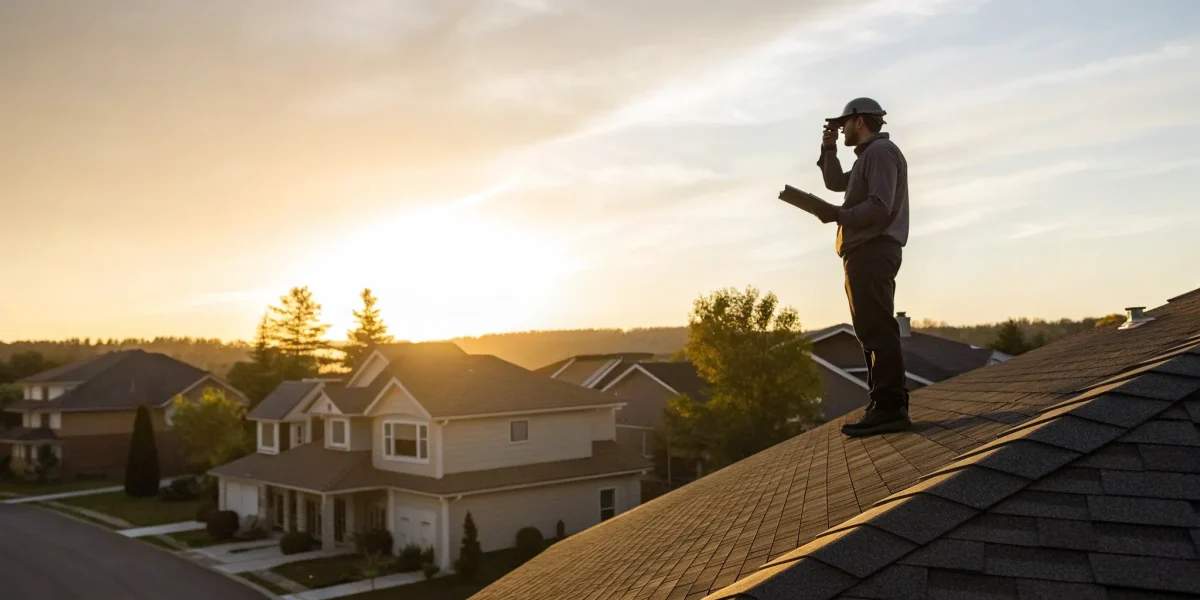
If you already have a background in roofing or construction, you’ve got a head start. You understand how building systems work and you’ve seen firsthand what can go wrong. Now, you might be looking for a way to leverage that experience into a more specialized, expert role. Becoming a roof inspector is a natural next step that allows you to trade in the heavy labor for a career built on your knowledge. But making that transition requires more than just field experience. This guide will show you how to become a roof inspector by adding formal certification and business skills to your practical expertise.
Key Takeaways
- Master the Core Competencies: Success as a roof inspector goes beyond technical knowledge; it requires a sharp eye for detail, strong problem-solving abilities, and excellent communication skills to build client trust.
- Prioritize Certification and Hands-On Experience: A reputable certification like the NRCIA’s is your starting point, but true expertise is built in the field through mentorships, practical training, and a deep commitment to safety protocols.
- Develop a Clear Business Strategy: To turn your certification into a career, you need a solid plan that includes getting properly licensed and insured, building a professional network for referrals, and marketing your unique services to attract clients.
What Does a Roof Inspector Actually Do?
So, you’re picturing someone climbing a ladder, spotting a leak, and calling it a day, right? The reality is much more detailed and technical. A roof inspector is a detective for the most critical part of a building’s structure. They provide a professional, unbiased assessment of a roof’s condition, which is essential for property transactions, insurance claims, and routine maintenance. It’s a role that requires a sharp eye, a solid understanding of roofing systems, and a commitment to safety and accuracy.
A Look at the Day-to-Day
On any given day, a roof inspector’s job goes far beyond a simple search for leaks. They conduct a thorough evaluation of the entire roofing system. This means they check the whole roof, including its structure, materials, and overall condition. An inspector performs visual checks for damage like cracks, blisters, or missing shingles, examines the structural integrity, and verifies the quality of the materials used. They also ensure there are no safety hazards.
After finishing an inspection, the work isn’t over. Roof inspectors write detailed reports about what they found, often using specialized inspection software to document issues with photos and clear descriptions. This report becomes a vital document for the property owner, providing a clear roadmap for necessary repairs or maintenance.
The Different Types of Roof Inspections
Not all inspections are the same; the purpose often dictates the process. For example, regular roof inspections are key to maintaining the integrity of a property. These routine checks help catch small issues before they become major problems, saving the owner money and extending the life of the roof. These preventative inspections are a common service for both residential and commercial clients.
Other inspections are tied to specific events. For instance, inspections occur throughout the construction of a new roof to ensure it’s installed correctly and matches the building plans. They are also a standard part of real estate transactions, providing peace of mind for homeowners and real estate professionals. Some inspectors even offer specialized inspections to comply with local regulations, like those for elevated exterior elements in California.
Do You Have What It Takes to Be a Roof Inspector?
So, you’re thinking about becoming a roof inspector? That’s fantastic. It’s a career path that offers a great mix of autonomy, problem-solving, and hands-on work. But before you start ordering business cards, it’s important to ask yourself: do I really have what it takes? This isn’t about scaring you off—it’s about making sure you’re stepping into a role where you can truly thrive. A great roof inspector is more than just someone who can climb a ladder; they are a trusted advisor, a keen observer, and a safety-conscious professional all rolled into one. This role is incredibly rewarding. You’ll provide peace of mind for homeowners, play a crucial part in real estate transactions, and build a reputation as a go-to expert. That level of trust is earned through a unique combination of knowledge, practical skills, and physical readiness. It’s about being comfortable working independently while also having the communication skills to explain complex issues in simple terms. It’s about having the patience to conduct a thorough inspection and the confidence to stand by your findings. Let’s break down these core qualities to give you a clear picture of what this career demands day in and day out. Think of it as a friendly self-check to ensure you’re setting yourself up for success.
Your Background and Education
You don’t need a four-year degree to build a successful career as a roof inspector, but you do need a solid foundation of knowledge. A high school diploma or GED is the standard starting point. If you already have experience in construction or roofing, you’re coming in with a significant advantage. That hands-on background gives you a practical understanding of how roof systems are built and where they commonly fail. Regardless of your experience, you’ll need to get comfortable with local building codes, the properties of different roofing materials, and essential safety regulations. A comprehensive training program is the best way to fill in any knowledge gaps and ensure you’re fully prepared for the role.
The Skills You’ll Need to Succeed
A great roof inspector is part detective, part communicator. First and foremost, you need a sharp eye for detail. You’ll be looking for subtle signs of damage—like a single cracked shingle or a small gap in the flashing—that could easily be missed but might lead to major problems down the road. Strong problem-solving skills are also crucial, as you’ll often need to diagnose complex issues and recommend effective solutions. Finally, you can’t overlook communication. You must be able to clearly explain your findings to clients, whether they’re anxious homeowners or busy real estate professionals, in a way that is easy to understand. Building trust through clear, honest communication is the cornerstone of a long and successful career.
Physical Demands and Safety First
Let’s be direct: this is not a desk job. As a roof inspector, your office is often several stories off the ground, and you need to be completely comfortable with that. The role requires you to be physically fit enough to climb ladders repeatedly and walk confidently on various types of roofs, from steep slopes to flat commercial surfaces. You’ll also be working in all sorts of weather conditions. Above all, a deep and unwavering commitment to safety is non-negotiable. You must know which roof systems are safe to walk on and follow strict safety protocols at all times to protect yourself and the property. Your well-being always comes first.
How to Get Certified as a Roof Inspector
Earning a certification is more than just getting a piece of paper; it’s about building credibility and proving your expertise. Certification shows clients that you have the specialized knowledge to assess their roof accurately and professionally. It’s a critical step that separates seasoned experts from amateurs and opens the door to better opportunities. Think of it as the foundation of your new career.
The NRCIA Path to LeakFREE® Certification
If you’re aiming for the industry’s gold standard, the NRCIA is your destination. To become an NRCIA Certified Roof Inspector, you’ll complete a comprehensive online training program covering everything you need to know. The coursework is followed by a hands-on practice inspection and a final accreditation process to ensure you meet our high standards. This path equips you to offer our exclusive LeakFREE® roof certifications, a unique service that provides homeowners with a standardized warranty and unparalleled peace of mind. It’s a direct route to establishing yourself as a trusted, top-tier professional in the field.
Other Certifications in the Industry
While the NRCIA provides a specialized path, you can also strengthen your credentials with certifications from other respected organizations. For example, the International Association of Certified Home Inspectors (InterNACHI) offers various programs that can make you more marketable, especially if you plan to offer general home inspection services. Holding multiple certifications can broaden your skillset and appeal to a wider range of clients. Think of these as complementary credentials that build on the specialized expertise you gain through the NRCIA, making your professional profile even more robust and versatile.
Understanding State Licensing Rules
Before you get too far, you need to get familiar with your state’s specific licensing rules. These requirements can vary significantly from one state to another, so this isn’t a step you want to skip. You’ll likely need to study topics like regional building codes, common roofing materials and systems in your area, and proper report writing. A quick search for your state’s contractor or inspector licensing board is the best place to start. Getting this right ensures you’re operating legally and sets you up for a smooth, compliant business from day one.
Preparing for Your Certification Exams
Passing your certification exams is the final checkpoint, and solid preparation is key. The best training courses, including the NRCIA’s training portfolio, are designed to do more than just help you memorize facts. They provide practical, hands-on knowledge that builds your confidence for both the test and your future work. This preparation ensures you’re ready to handle the diverse and complex scenarios you’ll encounter in the field. When you walk into that exam, you won’t just have book smarts—you’ll have the practical understanding to back it up.
Gaining the Right Training and Experience
Certification is your ticket to the game, but training and hands-on experience are what will make you a pro. Think of it like learning to drive: you can read the manual all day, but you don’t really get it until you’re behind the wheel. The best inspectors combine solid technical knowledge with practical skills they’ve picked up in the field. This is where you’ll learn to spot the subtle signs of a problem, understand how different roofing systems behave in the real world, and build the confidence to make accurate assessments. It’s a crucial phase that turns your certification into a career. Let’s walk through how you can get the well-rounded experience you need to succeed.
What to Expect from NRCIA’s Training Program
When you decide to get certified with the NRCIA, you’re signing up for a program designed to get you field-ready. Our comprehensive training portfolio covers everything you need to know, from the fundamentals of different roofing systems to the specifics of conducting a LeakFREE® inspection. The process blends online learning you can do at your own pace with practical exercises that simulate real-world scenarios. This isn’t just about memorizing facts for a test; it’s about building the skills to perform thorough, reliable inspections. The final step is an accreditation process that confirms you have what it takes to represent the highest standard in the industry.
Finding Internships and Mentorships
One of the smartest moves you can make is to get hands-on experience before, during, or after your certification. Many top inspectors started their careers in related fields like roofing or general construction. Look for opportunities to work with a local roofing company, even in an entry-level role. An internship or a mentorship with an experienced contractor or inspector is invaluable. You’ll gain a firsthand understanding of how roofs are built and where they typically fail. Plus, you’ll start building a professional network that can lead to job opportunities down the road. Don’t be afraid to reach out to local professionals—many are happy to share their knowledge with someone eager to learn.
Learning Directly from Experienced Inspectors
There are some things you just can’t learn from a textbook. Shadowing a seasoned inspector is like getting a backstage pass to the profession. You’ll see how they interact with clients, how they manage their time on-site, and how they approach complex or unusual roofing issues. This is your chance to ask questions and absorb the nuances of the job that only come with years of experience. Pay attention to their process, from the initial walk-around to how they document their findings. This direct observation is one of the fastest ways to sharpen your own inspection techniques and build confidence in your abilities.
Putting Your Skills to the Test
Your training will cover a lot of ground, and it’s all essential. You’ll study different roofing systems and materials, get familiar with local building codes, and master standardized inspection procedures. A big piece of the puzzle is learning how to compile your findings into a clear, professional report that homeowners and real estate agents can actually understand. This foundational knowledge is what allows you to conduct a thorough inspection. As you learn, you’ll want to use tools that streamline the process, like professional inspection software, which helps you apply what you’ve learned in a structured and efficient way.
Common Hurdles in Training (and How to Clear Them)
Every rewarding career path has its challenges, and becoming a roof inspector is no different. While the training is thorough, you might hit a few bumps along the way. Think of these hurdles not as roadblocks, but as opportunities to sharpen your skills and deepen your expertise. The key is knowing what to expect and having a plan to tackle each challenge head-on. From getting a handle on complex roofing materials to preparing for your final exam, let’s walk through some of the common obstacles you might face and, more importantly, how to clear them with confidence. With the right preparation and mindset, you’ll be well-equipped to build a successful and lasting career.
Mastering Complex Roofing Systems
At first, the sheer variety of roofing systems, materials, and local building codes can feel overwhelming. You’re not just learning to spot a leak; you’re learning the science behind why a roof succeeds or fails. This involves understanding everything from asphalt shingles and metal panels to complex commercial roofing membranes.
The best way to manage this learning curve is through a structured program. A comprehensive training portfolio will break down these topics into manageable lessons. Instead of trying to learn everything at once, you’ll build your knowledge layer by layer, starting with the fundamentals and moving on to more advanced concepts. This systematic approach ensures you develop a solid foundation, making it much easier to absorb and apply new information as you progress.
Acing Your Certification Exams
The certification exam is your final gatekeeper to becoming a professional inspector, and it’s natural to feel some pressure. Passing this test is proof that you have the knowledge and competence to perform inspections accurately and ethically. These exams are designed to be rigorous, covering everything you’ve learned about inspection procedures, safety protocols, and report writing.
Preparation is everything. The most effective training programs are designed with the exam in mind, teaching you not just what to know, but how to apply that knowledge under pressure. Look for programs that offer practice questions and study guides. Forming a study group with fellow trainees can also be incredibly helpful. By consistently reviewing the material and simulating the exam experience, you’ll walk into test day feeling prepared and confident in your abilities.
Building Practical, Hands-On Experience
Learning from a textbook is one thing, but applying that knowledge on a real roof is another. The transition from theory to practice can be a significant hurdle. You need to develop a keen eye for detail, learn how to move safely on different roof types, and gain the confidence to make definitive assessments in the field. This kind of practical skill only comes with real-world experience.
Seek out every opportunity for hands-on learning. A great training program will include field work, allowing you to learn directly from seasoned professionals. Don’t be afraid to ask questions and get your hands dirty. Finding a mentor who can guide you through your first few inspections is invaluable. This practical experience is where the lessons truly sink in, transforming your academic knowledge into practical expertise and building the confidence you need to handle any inspection scenario.
Handling the Physical Demands of the Job
Roof inspection is an active job that requires a good level of physical fitness. You’ll be climbing ladders, carrying tools, and walking on sloped, uneven, and sometimes slippery surfaces in all kinds of weather. It’s essential to be prepared for the physical nature of the work and to always prioritize your safety above all else.
The first step is to be honest about your physical capabilities and work on your strength and balance. More importantly, your training should include extensive safety protocols. A crucial part of your job is knowing which roofs are not safe to walk on and when to use alternative methods, like drone inspections. Always using the proper safety equipment is non-negotiable. By respecting the risks and adhering to strict safety standards, you can manage the physical demands and ensure a long, injury-free career.
The Essential Tools of the Trade
Having the right equipment is just as important as having the right knowledge. Your tools don’t just help you do the job; they ensure you do it accurately, efficiently, and safely. From basic hand tools to sophisticated technology, a well-stocked toolkit allows you to deliver comprehensive and professional reports that clients can trust. Building your kit is a key step in building your career, and the right training program will show you how to use every piece of it effectively.
Your Everyday Inspection Toolkit
Before you even think about high-tech gadgets, you need to master the basics. Your everyday toolkit should include a sturdy, extendable ladder, a high-resolution camera (your smartphone works great), a tape measure, and chalk for marking areas of concern. Binoculars are also incredibly useful for getting a closer look from the ground or a safer spot on the roof. While these physical tools are essential, your most important asset is your knowledge of roofing systems, materials, and local building codes. A deep understanding of inspection procedures is what turns a simple look-around into a professional assessment.
High-Tech Gear: Drones and Infrared Cameras
To really set yourself apart, you can add advanced tools to your arsenal. Drones are a game-changer for inspecting steep, complex, or potentially unsafe roofs, providing a safe way to get detailed aerial views. Meanwhile, infrared cameras help you see what the naked eye can’t. By detecting temperature differences, these cameras can pinpoint moisture intrusion or heat loss that might otherwise go unnoticed. Utilizing this kind of technology can significantly enhance the efficiency and accuracy of your inspections, giving your clients a more complete picture of their roof’s condition.
Must-Have Safety Equipment
Let’s be clear: your safety is the top priority on any job. Some roof systems simply should not be walked on, and you need to be able to make that call. Every inspector must invest in and use appropriate personal protective equipment (PPE). This isn’t optional. Your core safety kit should include a well-fitting harness, ropes, a helmet, and high-traction, non-slip footwear. Always inspect your safety gear before each use and never take risks. A thorough inspection is important, but getting home safely at the end of the day is what truly matters.
Choosing the Right Inspection Software
Once the on-site work is done, your tools are still essential. Choosing the right inspection software is critical for streamlining your workflow and creating professional, easy-to-read reports. Good software allows you to seamlessly upload photos, add notes, and generate a comprehensive document that clearly communicates your findings to your client. This not only saves you time but also helps you present your work in a polished, credible way. Look for a platform designed specifically for roof inspections to ensure it has all the features you need for efficient documentation and reporting.
What’s the Career Path for a Roof Inspector?
Once you have your certification, what comes next? The great thing about a career in roof inspection is that it’s not a one-size-fits-all path. You have the flexibility to build a career that fits your goals, whether you crave the stability of a steady paycheck or the freedom of being your own boss. Your expertise will be valuable to a wide range of clients and industries, from homeowners needing peace of mind to real estate agents closing a deal. It’s a field with tangible opportunities for growth, specialization, and financial stability. Let’s break down what your professional journey could look like.
Where You Can Work
As a certified roof inspector, you have several options for putting your skills to work. Many inspectors start by working for established home inspection companies, roofing businesses, or even real estate firms that need in-house expertise. This route offers a steady stream of work and a great environment to learn the ropes from seasoned professionals. On the other hand, you can start your own inspection business. Going independent gives you complete control over your schedule and client list, plus a higher earning potential. Whichever path you choose, being part of a professional organization can provide the support and resources you need to succeed.
Your Earning Potential
A career as a roof inspector offers solid financial stability. On average, a roof inspector can expect to earn between $45,000 and $75,000 annually. Your exact income will depend on your location, level of experience, and the types of inspections you perform. If you decide to start your own business, your potential for income is even greater. Specializing with advanced credentials, like the NRCIA’s certification for LeakFREE® roofs, can also set you apart from the competition, allowing you to command higher fees for your specialized knowledge and the unique value you provide to clients.
Opportunities for Specialization and Growth
Roof inspection is a dynamic field where you’ll never stop learning. New roofing materials, updated building codes, and evolving inspection technologies require ongoing education to stay at the top of your game. This is where the real career growth happens. You can choose to specialize in specific areas, such as commercial roofing, historic properties, or complex materials like slate or tile. You might also focus on regional needs, like performing California SB 721 inspections. A comprehensive training portfolio will keep your skills sharp and open doors to more advanced and lucrative inspection work throughout your career.
Your Action Plan to Launch a Roof Inspector Career
Once you have the training and tools, it’s time to turn your skills into a business. Launching a career as a roof inspector isn’t just about knowing your way around a roof; it’s about building a reputation, finding clients, and establishing yourself as a trusted professional. Think of this as your business launchpad. The steps might seem big, but breaking them down makes the process manageable. It starts with a solid plan that covers your credentials, legal standing, professional connections, and marketing strategy.
Getting certified is your first major milestone, but what comes next is what truly builds a sustainable career. You’ll need to handle the administrative side of your business, like licensing and insurance, to operate legally and protect yourself. From there, your focus will shift to growth. Building a strong network with real estate agents, contractors, and property managers will create a steady stream of referrals. At the same time, you’ll need to market your services effectively to attract clients directly. Following this action plan will help you move from a newly certified inspector to a sought-after expert in your area.
Map Out Your Certification Journey
Your first step is to choose a certification program that aligns with your career goals. A quality program will give you a deep understanding of roofing systems, materials, inspection procedures, and local building codes. The goal isn’t just to pass an exam but to gain the practical knowledge you’ll use every day. The NRCIA offers a clear path with its training portfolio, which is designed to prepare you for real-world scenarios and our exclusive LeakFREE® certification. By mapping out your training, you create a clear timeline for studying, taking exams, and officially starting your career with a credential that clients trust.
Get Licensed and Insured
With your certification in hand, the next step is to make your business official. Getting the right licenses and insurance is essential for building credibility and protecting your business. Licensing requirements vary by state, so check with your local authorities to see what you need to operate legally. Just as important is securing insurance, including general liability and errors and omissions (E&O) coverage. This protects you from financial loss in case of an accident or a mistake. Taking care of these legal and financial safeguards shows clients that you’re a serious professional they can rely on.
Build Your Professional Network
You can’t build a business in a vacuum. Networking is key to generating referrals and finding new opportunities. Start connecting with professionals who regularly need roof inspections, like real estate agents, insurance agents, property managers, and roofing contractors. Many new inspectors gain valuable experience and contacts by working for an established inspection company before going out on their own. Joining an organization like the NRCIA also connects you with a national network of peers and potential partners. The more people who know and trust your work, the faster your client list will grow.
Market Yourself and Land Your First Clients
Now it’s time to get the word out. Start by creating a professional online presence with a simple website and social media profiles that highlight your services and certification. Your NRCIA LeakFREE® certification is a powerful marketing tool, so make sure to feature it prominently. Develop a clear brand that communicates your expertise and reliability. Simple marketing materials like business cards and flyers can also be effective when you’re meeting potential partners. Consistently marketing your business will help you attract your first clients and build the momentum you need for long-term success.
Related Articles
- Construction Inspection Training: The Ultimate Guide
- Entry Level Roof Inspector Salary: What to Expect
Frequently Asked Questions
How long does it take to become a certified roof inspector? The timeline really depends on your pace and background. Since the NRCIA’s training is self-guided, you can move through it as quickly as your schedule allows. If you already have some construction experience, you might complete the coursework in a few weeks. If you’re learning while working another job, it might take a few months. The goal is to truly master the material, not just race to the finish line.
Do I absolutely need a background in roofing or construction to start? While prior experience gives you a head start, it’s not a deal-breaker. A comprehensive training program is designed to teach you everything you need to know from the ground up. More important than your resume is your attention to detail, your ability to solve problems, and your commitment to becoming a true expert. Your dedication to learning the craft will take you further than any previous job title.
What’s the main advantage of getting the NRCIA LeakFREE® certification? The NRCIA certification allows you to offer something unique that other inspectors can’t: the LeakFREE® roof warranty. This transforms your service from a simple report into a tangible guarantee that gives homeowners and real estate agents incredible peace of mind. It’s a powerful tool that immediately sets you apart in the market and justifies a premium for your expertise.
What is the biggest challenge for new inspectors just starting out? The biggest hurdle is often building your client base and your confidence simultaneously. It takes time to establish a network of real estate agents, contractors, and property managers who send business your way. In the beginning, you have to be your own best advocate, consistently marketing your services and building your reputation one inspection at a time.
Can I really make a full-time living just inspecting roofs? Yes, you absolutely can. A career as a roof inspector offers a stable and reliable income, with demand coming from real estate transactions, insurance claims, and general property maintenance. As you build your experience and client list, your earning potential grows. Specializing with a trusted certification allows you to build a financially rewarding career on your own terms.
