
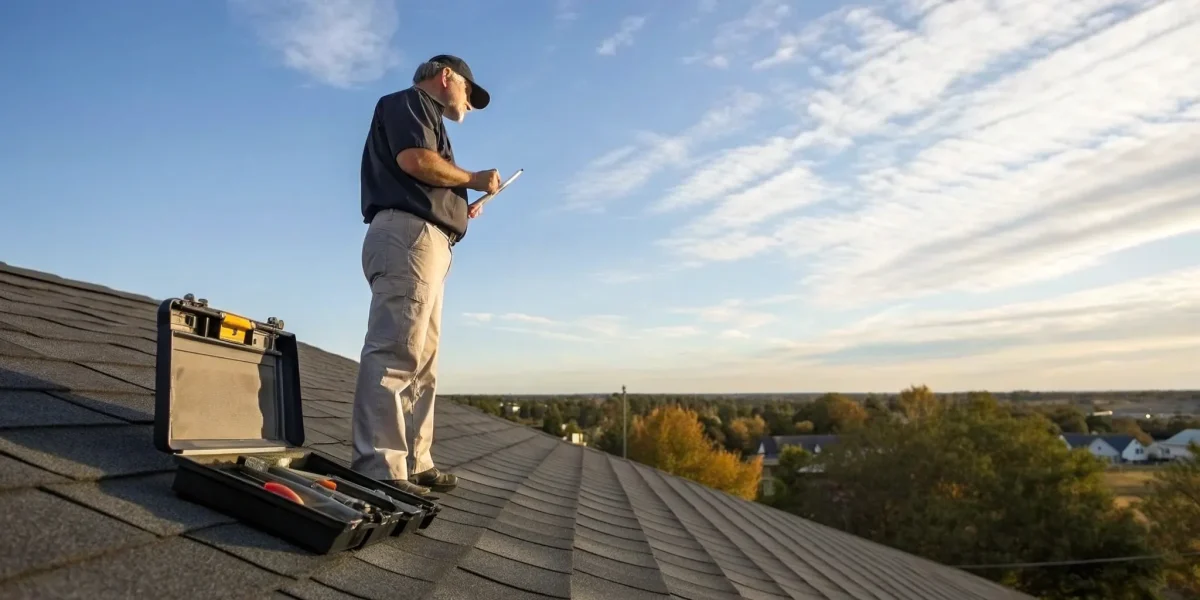
A certification is more than just a piece of paper; it’s an investment in your future. When you’re deciding where to put your time and money, you need to think about the return. The right credential does more than teach you how to spot hail damage—it gives you the credibility to command higher fees, win bigger jobs, and build a trusted reputation. Some certifications even provide unique advantages, like the ability to offer an industry-leading warranty. To help you make the smartest investment, we’ve analyzed the best roof inspector training programs based on the real-world value they deliver to professionals like you.
Key Takeaways
- Choose a Path, Not Just a Program: Decide if you want to serve homeowners, commercial clients, or insurance companies, and select a certification like NRCIA, HAAG, or CCPIA that directly aligns with that market and gives you a competitive advantage.
- Prioritize Post-Training Business Tools: A certificate is just the start; the best programs provide ongoing value through specialized software, professional networks, and marketing support that help you turn your new skills into a profitable business.
- Weigh the Full Investment Against the Return: Look beyond the initial tuition and consider the total cost, time commitment, and renewal requirements. A quality certification is an investment that pays for itself through higher earning potential and greater client trust.
What Makes a Great Roof Inspector Training Program?
Choosing a roof inspector training program is a big step for your career, and with so many options out there, it’s easy to feel overwhelmed. But the right training does more than just teach you the basics—it sets you up for long-term success. To help you sort through the noise, let’s break down the key ingredients that separate a truly great program from the rest. Think of this as your guide to finding a certification that really means something in the industry.
The Essential Training Checklist
A top-tier program is built on a foundation of comprehensive learning. It’s not just about watching a few videos and taking a quiz. Look for a complete training portfolio that covers everything from technical knowledge to practical application. A great program will always include a dedicated training course, a challenging exam to prove your skills, and a hands-on field experience requirement. The learning shouldn’t stop there, either. The roofing industry is always evolving, so a commitment to continuous education is a must-have for keeping your skills sharp and your certification valuable for years to come.
Why Industry Recognition Matters
A certificate is only as strong as the organization that issues it. When you’re investing your time and money, you want to be sure your certification will be respected by clients, real estate professionals, and insurance companies. That’s why industry recognition is so important. Look for programs backed by established authorities known for setting high standards. For example, the NRCIA is the recognized leader in LeakFREE® roof protection, which gives our certified inspectors immediate credibility. Choosing a well-regarded program ensures your credentials will open doors and build trust with your customers from day one.
Finding Post-Training Support and Career Tools
Your training shouldn’t end the moment you pass your final exam. The best programs provide ongoing support to help you build and grow your business. This could include mentorship opportunities, access to a professional network, or continuing education resources. It’s also a huge plus if the program offers practical career tools. For instance, having access to specialized inspection software can streamline your workflow and help you deliver professional reports. When you’re comparing options, ask what happens after you get certified. The right program will feel like a long-term partner in your success.
Explore NRCIA: The LeakFREE® Certification Standard
NRCIA offers more than just a training program—it’s a complete system for building a successful inspection business. At its core is the LeakFREE® certification, a standard that gives both inspectors and their clients peace of mind. The program combines in-depth training, powerful business tools, and a commitment to quality backed by the industry’s only standardized warranty. If you want a path that gives you both skills and a serious competitive edge, NRCIA is worth a closer look.
Get Hands-On Training and Specialized Software
NRCIA’s approach ensures you’re ready for anything on a roof. The training portfolio covers everything from roofing basics and safety to building codes and damage identification. As a member, you get access to specialized inspection software to create professional reports quickly. The path to certification is a clear, four-step process: complete the training, pass an exam, gain field experience, and commit to ongoing education. This structure keeps your skills sharp throughout your career.
The Industry’s Only Standardized Warranty
What really sets NRCIA apart is the LeakFREE® roof certification. It’s not just a report on a roof’s current condition; it’s a promise that it will stay leak-free. This is the only standardized warranty in the roofing industry, guaranteeing the entire roof for a specific period. A typical certification is a snapshot in time, but the LeakFREE® warranty is a commitment to fix future issues. Offering this gives clients incredible confidence and sets your services far above the competition.
Find Your Fit: Membership and Mentorship
Becoming an NRCIA Certified Roof Inspector is a direct path to growing your business. Offering the LeakFREE® certification helps you build trust and stand out, leading to more work and higher-paying jobs. The association supports a wide range of professionals, from independent inspectors to large contracting firms. With different membership levels, you can find the right fit for your career goals. All members are held to strict standards and rated on a 5-star system, ensuring the entire network is known for top-quality service.
A Look at InterNACHI’s Online Platform
InterNACHI, the International Association of Certified Home Inspectors, is a major player in the inspection industry. While their training is broad, they offer a solid pathway for professionals looking to add roof inspections to their services. Their platform is especially appealing if you prefer online, self-directed learning and want access to a large professional network. InterNACHI’s model is built around a membership that unlocks a vast library of resources, making it a popular all-in-one option for inspectors looking to expand their skills.
Flexible Courses for Self-Paced Learning
If a rigid class schedule doesn’t work for you, InterNACHI’s online model is a huge plus. Their platform is designed for self-paced learning, allowing you to complete modules whenever you have time. InterNACHI offers many online training courses and resources for roofing contractors who want to learn about roof inspections, and they are free for members. This means you can build your knowledge on your own terms, whether it’s in the evening or on a weekend. This flexibility makes it easier to add a new skill without disrupting your current work.
Networking and Continuing Education
Beyond the initial training, InterNACHI provides a strong foundation for your career. As a nationally recognized college, InterNACHI School adds credibility to your qualifications. Through their program, contractors can work toward becoming a “Certified Roof Inspector,” a title that helps build client trust. Being part of such a large organization also connects you with a massive network of fellow inspectors. This community is an invaluable resource for asking questions, sharing experiences, and finding mentorship, helping you stay current on industry trends long after you’ve completed your initial courses.
A Cost-Effective Path to Certification
For many professionals, budget is a major factor. This is where InterNACHI stands out. Instead of a high, one-time tuition fee, their model is based on a recurring membership. As their site notes, roofing contractors should consider joining InterNACHI to get free access to their training and certification programs. This approach can make getting certified much more accessible, especially if you’re just starting out. You get the full library of courses, marketing materials, and business tools included in your membership, which offers a lot of value and helps you manage your expenses more predictably.
Deep Dive into HAAG Certification for Commercial Roofs
If you want to be the go-to expert for complex roof damage cases, especially in the commercial sector, then HAAG certification is a name you need to know. Think of it as the forensic science of roofing. The HAAG Certified Inspector program is designed for seasoned professionals—inspectors, contractors, and insurance adjusters—who want to master the art of damage assessment. It’s less about basic inspection techniques and more about scientifically determining the cause, extent, and timeline of damage from hail, wind, and other forces.
This certification carries a lot of weight in the industry. When you’re HAAG-certified, it signals to clients, insurance companies, and even legal teams that your findings are based on rigorous, repeatable methods. It’s a credential that can open doors to more specialized and higher-paying work, particularly in storm-prone regions where damage assessment is a constant need. While programs like the NRCIA focus on creating a standardized inspection and certification process for leak prevention, HAAG drills down into the nitty-gritty of forensic analysis, making it a powerful addition to any inspector’s toolkit.
Specialize in Damage Assessment
The core of the HAAG program is its intense focus on damage assessment. This training teaches you to differentiate between damage caused by a specific weather event, manufacturing defects, installation errors, or normal wear and tear. You’ll learn to analyze various roofing materials and systems with a scientific eye, ensuring your reports are credible and defensible. This level of expertise is invaluable for insurance claims, as it helps provide clear, unbiased evidence to settle disputes. It shows you’re not just guessing—you’re applying proven methodologies to reach a conclusion, which builds immense trust with clients and stakeholders.
An Intensive, Hands-On Approach
Getting HAAG certified is a serious commitment. The program isn’t a simple online quiz; it’s an intensive, multi-day training course that requires your full attention. You’ll spend time in a classroom setting learning the science behind roof performance and failure, followed by hands-on exercises that simulate real-world inspection scenarios. To earn the certification, you have to pass a challenging final exam that tests your knowledge and analytical skills. This rigorous process ensures that everyone who holds the credential has truly mastered the material. It’s a demanding but rewarding experience that equips you with practical skills you can use immediately.
What to Expect from Annual Re-Exams
Unlike some certifications that are a one-and-done deal, HAAG requires you to maintain your expertise. To keep your certification active, you’ll need to pass a re-examination each year. While this might sound like a hassle, it’s one of the reasons the certification is so respected. The roofing industry is always evolving with new materials and building science discoveries. This annual requirement ensures that HAAG-certified inspectors are always up-to-date on the latest assessment techniques and industry knowledge. This commitment to continuing education demonstrates a high level of professionalism and dedication to your craft.
Other Top Roof Inspector Training Programs
While NRCIA, InterNACHI, and HAAG offer some of the most comprehensive training paths, they aren’t the only options available. Depending on your career goals, you might find that a more specialized program or manufacturer-led training is the perfect fit. Some programs focus entirely on commercial properties, while others are designed to get you up to speed on a specific brand’s roofing systems.
Exploring these alternatives can help you round out your expertise, especially if you plan to work in a niche market. For example, if you live in an area with a high concentration of commercial buildings, a certification focused on flat roofs could give you a significant edge. Likewise, training directly from a major manufacturer like GAF can add a powerful credential to your resume. Think of these programs as complementary tools that can sharpen your skills and open up new opportunities in the field.
CCPIA for Commercial Roofing
If you’re aiming to specialize in commercial properties, the Certified Commercial Property Inspectors Association (CCPIA) is a name you should know. The organization offers an online course specifically for inspecting low-slope, or flat, roofs. This is a critical skill set, as the materials, drainage systems, and common problems associated with commercial roofs are vastly different from those of residential sloped roofs.
The CCPIA training covers the various materials used in low-slope systems, how to identify common defects, and the safety protocols you need to follow on a commercial job site. This focused approach is ideal for inspectors who want to build a reputation as experts in the commercial sector, working with property managers, building owners, and investors.
GAF CARE Training
GAF is one of the largest roofing manufacturers in North America, and its GAF CARE (Center for the Advancement of Roofing Excellence) program provides training for professionals at every level. These courses are great for both residential and commercial roofers who want to deepen their product-specific knowledge. The classes range from fundamental installation techniques to advanced business strategies for growing a roofing company.
While this training is manufacturer-specific, it’s a valuable credential to have. Understanding a major brand’s products inside and out makes you a more effective inspector and contractor. It shows clients you have a thorough grasp of the materials used on their homes and can speak with authority on proper installation and maintenance. You can find a wide range of training opportunities to match your career stage.
State-Specific Certifications to Consider
Beyond national certifications, it’s essential to understand what your state requires. Some states have their own licensing boards and specific requirements for roof inspectors and contractors. Failing to meet these local standards can result in fines or prevent you from working legally, so this research should be a top priority. The process for getting certified often follows four key steps: completing a training program, passing an exam, getting field experience, and pursuing continuing education.
Before you enroll in any program, check with your state’s contractor licensing board to see what’s required. This will help you choose a training path that not only gives you the right skills but also satisfies all legal requirements in your area. This ultimate guide to construction inspection training can help you understand the general steps involved.
How Much Does Roof Inspector Training Cost?
Okay, let’s talk about the numbers. The cost of getting certified as a roof inspector is one of the biggest factors in choosing a program, and it’s more than just the sticker price. When you’re budgeting for your training, you’ll want to think about the initial course fees, any required tools or software, travel expenses for in-person training, and ongoing costs like membership dues and certification renewals. Each program structures its pricing differently, so it’s smart to break down the total investment before you commit. Think of it not just as an expense, but as the first major investment in your professional growth. A quality certification pays for itself through higher earning potential and greater client trust, so finding the right balance between cost and value is key.
Comparing Program Fees and Other Expenses
When you start comparing programs, you’ll see a wide range of costs. For example, a comprehensive program from the National Roofing Contractors Association (NRCA) might run between $800 and $1,500, while InterNACHI offers courses in the $500 to $1,200 range. For highly specialized training, like the intensive five-day HAAG certification, you could be looking at $2,000 to $3,000. These differences often reflect the program’s focus, duration, and the resources provided. Don’t forget to factor in renewal fees—some certifications require annual renewal, while others are every two or three years. It’s important to look at the complete financial picture to understand the long-term commitment of different membership levels.
Exploring Your Payment Options
As you explore your options, you’ll find that online courses can cost anywhere from around $100 to over $1,000. Before you sign up for the cheapest option, make sure you understand what’s included. Some programs have separate fees for the final exam, while others require an annual membership to maintain your certification and access resources. Ask about any required software or tools that aren’t included in the initial price. A great training program should be transparent about all its costs. Taking a look at a complete training portfolio can give you a good idea of what a well-rounded curriculum offers and help you gauge if the price feels right for the value you’re getting.
Calculating Your Return on Investment
The upfront cost of training is just one side of the equation. The real value comes from the return on your investment. Becoming a certified inspector immediately increases your credibility and can open the door to more lucrative projects. For example, with an NRCIA certification, you’re not just an inspector—you’re a specialist who can offer the industry’s only standardized warranty for LeakFREE® roofs. This distinction allows you to command higher fees and builds immense trust with homeowners, real estate agents, and property managers. If you’re a contractor, adding inspections to your services creates a new revenue stream. It’s an investment in your skills that pays dividends for years to come.
How Long Does It Take to Get Certified?
The time it takes to become a certified roof inspector can range from a few intense days to several months, depending on the program you choose and how you learn best. Your timeline is personal, so it’s important to find a program that fits your life and learning style.
Program Timelines and Learning Styles
Some programs, like HAAG, offer rigorous courses that you can complete in under a week, which is great if you thrive in a focused, bootcamp-style environment. Other programs, such as InterNACHI, typically take two to four months, giving you more time to absorb the material at a steady pace. Think about what works for you. Do you prefer to dive in and get it done quickly, or would you rather have a more methodical schedule that allows you to balance training with your other responsibilities? There’s no right answer—only what’s right for you.
Self-Paced vs. Structured Schedules
Many programs offer self-paced courses, giving you the freedom to study around your existing work and family commitments. You can move through the material at your own speed, taking quizzes and exams when you feel ready. This requires a lot of self-discipline but offers maximum flexibility. In contrast, structured programs have set schedules and deadlines, which can help keep you on track. NRCIA’s training portfolio provides a clear path forward, combining foundational knowledge with the essential hands-on field experience you need to feel confident and prepared for real-world inspections.
Keeping Up with Renewals and Education
Earning your certification is the first step—maintaining it is an ongoing commitment. Most certifications require renewal to ensure you’re staying current with industry standards and best practices. Some, like HAAG, require you to pass an exam every year, while others have a two or three-year cycle. This process of continuous education is crucial for your credibility and professional growth. It ensures your skills remain sharp and that you’re always providing the highest level of service to your clients, which is the foundation of a successful career in roof inspection.
Which Certification Is Right for Your Career?
Choosing a certification is a big step, and the right one depends entirely on your career goals. Think about the kind of work you want to do, the clients you want to serve, and the income you want to earn. Not all certifications are created equal, and aligning your training with your professional ambitions is the key to long-term success. By weighing your options carefully, you can invest in a program that not only teaches you the necessary skills but also opens the right doors for your business. Let’s break down the key factors to consider so you can make a confident decision.
Choose Your Path: Residential vs. Commercial
First, decide where you want to specialize. Residential and commercial roof inspections are two very different worlds. If you enjoy working directly with homeowners and dealing with common roofing systems like shingles and tiles, a residential focus might be a great fit. On the other hand, if you’re drawn to the complexity of larger structures, a commercial path is for you. This specialization often involves inspecting flat or low-slope roofs on buildings like warehouses and offices. Organizations like CCPIA offer a Commercial Roof Inspection Online Course to help you master these unique systems and build a career in this niche.
Understand Local Licensing Requirements
Before you enroll in any program, it’s essential to research your state and local licensing laws. Certification and licensing are not the same thing. While a certification proves your knowledge and skills, a license is a legal requirement to operate in certain areas. Requirements can vary dramatically from one state to another, so do your homework first. A quality certification program will prepare you with a solid foundation, often involving a four-step process of training, exams, field experience, and continuing education. This structure ensures you’re not just passing a test but are truly prepared for the job, as outlined in this construction inspection training guide.
Compare Your Earning and Growth Potential
Your choice of certification can directly impact your income. While the average roof inspector earns between $45,000 and $75,000 annually, your specialization and the credibility of your certification can push you toward the higher end of that scale—and beyond. A nationally recognized certification, especially one that comes with a unique benefit like the LeakFREE® warranty, makes your services more valuable to clients. Becoming an NRCIA Certified Roof Inspector can help you command higher fees, attract more discerning clients like real estate professionals and property managers, and secure bigger, more profitable jobs. It’s an investment in your skills that pays off in your bank account.
What Challenges Can You Expect in Training?
Getting your roof inspector certification is an exciting step, but it’s smart to go in with a clear picture of the road ahead. Like any new venture, the training process has its challenges. But knowing what to expect helps you prepare and choose a program that sets you up for success from day one. The main hurdles you’ll encounter fall into three categories: getting a handle on the technical skills, internalizing crucial safety rules, and figuring out how to build your business once you have that certificate in hand. Let’s break down what each of these involves.
Mastering Technical and Practical Skills
A great training program will push you. Certified roof inspectors need to understand a wide range of roofing systems, from asphalt shingles to metal and tile, and all the potential issues that come with them. This means your training will cover a lot of ground, blending theoretical knowledge with practical, hands-on experience. For anyone new to the industry, this can feel like a steep learning curve. The key is to find a program that offers comprehensive training to ensure you’re confident in your ability to identify everything from minor wear and tear to major structural problems before you ever step onto a client’s property.
Learning Critical Safety Protocols
Roofing consistently ranks as one of the most dangerous jobs, which is why safety is a non-negotiable part of your training. It’s not just about your own well-being—it’s about protecting homeowners and properties, too. A solid training program dedicates significant time to safety protocols, covering everything from ladder safety to properly navigating steep-slope roofs. It’s also vital that this training is clear and easy to understand for everyone, regardless of their background. When workers fully grasp critical safety protocols, they can effectively prevent accidents on the job site, building trust and a reputation for professionalism from the very start.
Building Your Client Base After Certification
Earning your certification is a huge accomplishment, but it’s just the beginning. The next challenge is turning that credential into a steady stream of clients. This is where business skills come into play. You’ll need to learn how to market your services, network with real estate agents and property managers, and build a strong professional reputation. This can be daunting when you’re just starting out. That’s why finding a program that offers post-training support is so important. Access to mentorship, marketing resources, and a community of fellow inspectors can make all the difference in successfully launching and growing your business.
How to Choose the Right Program for You
Picking the right roof inspector training program is a big decision that directly shapes your career path. The best choice depends entirely on your goals. Are you looking to build a foundation in residential inspections, specialize in commercial damage assessment, or offer a unique guarantee that sets you apart? Some programs offer flexible, self-paced online courses, while others provide intensive, hands-on training.
Think about where you want to be in five years. If your goal is to handle larger, more complex jobs and maximize your income, aligning with a respected organization is key. For example, becoming an NRCIA Certified Roof Inspector is a direct path toward building credibility and attracting higher-value clients. This section will walk you through creating a final checklist, preparing for your exam, and using your new credential to build the career you want.
Your Final Checklist for Comparing Programs
Before you commit to a program, it’s smart to compare your top choices side-by-side. Certification is typically a four-step process that includes dedicated training, passing an exam, getting hands-on field experience, and committing to ongoing education. Use these points as your guide. First, review the curriculum. Does it cover the specific types of roofing systems and materials common in your area? Next, consider the learning format—do you thrive in a structured classroom setting or prefer the flexibility of online learning? Also, look into any prerequisites. Some advanced courses recommend you first complete foundational training, like InterNACHI’s course on how to perform roof inspections. Finally, evaluate the post-training support, including career resources, software, and networking opportunities.
Tips for Preparing for Your Exam
Passing your certification exam is the final hurdle between you and your new credential. The key to success is consistent preparation. Start by breaking down the course material into manageable chunks and creating a study schedule you can stick to. Take advantage of any practice exams or review materials your program offers. Remember that some certifications require you to retake the exam annually to maintain your status, so it’s wise to build strong study habits from the start. As you finish each module or course, you’ll often receive a Certificate of Completion. Use these small wins to stay motivated and track your progress as you work toward the final exam.
Using Your Certification to Advance Your Career
Earning your certification is more than just a line on your resume—it’s a powerful tool for building your business. A respected credential immediately tells potential clients that you have a verified skill set and a commitment to professional standards. This builds trust and can be the deciding factor when a homeowner or property manager chooses you over a competitor. You can further differentiate your business by offering unique value. For instance, providing the LeakFREE® certification shows clients you stand behind your work with an industry-leading warranty. This not only helps you win more bids but also allows you to command higher fees for your premium services.
Related Articles
- Construction Inspection Training: The Ultimate Guide
- 5 Best Roofing Certification Classes Online (2025)
Frequently Asked Questions
Do I really need a certification if I already have roofing experience? That’s a fair question. Your hands-on experience is incredibly valuable, but a certification does something different—it standardizes your expertise. It shows clients, real estate agents, and insurance companies that your skills have been verified against a professional benchmark. Think of it as a tool that builds immediate trust and gives you access to proven inspection methods, professional report-writing software, and a network of peers, which are things that experience alone doesn’t always provide.
What’s the main difference between a certification like NRCIA’s and one like HAAG’s? The simplest way to think about it is their core purpose. An NRCIA certification is focused on proactive protection and quality assurance. It trains you to certify that a roof is, and will remain, leak-free, backing it with a warranty. It’s about giving a client peace of mind for the future. A HAAG certification, on the other hand, is more like forensic science for roofs. It trains you to become an expert in assessing damage after an event like a hailstorm, determining the exact cause and extent of the problem for insurance claims or legal cases.
Is a national certification enough, or do I need a state license too? This is a critical point: certification and licensing are two different things. A certification proves your knowledge, while a license is your legal permission to work in a specific state or city. Many areas require a contractor or inspector license to operate legally. A national certification is a powerful credential that builds your credibility everywhere, but it does not replace a local license. Always check with your state’s licensing board before you start working.
How does a certification actually help me get more clients? A certification is a powerful marketing tool that separates you from the competition. It immediately signals to potential clients that you are a serious professional who has invested in your skills. When you can offer something exclusive, like the NRCIA’s LeakFREE® warranty, you’re no longer just selling an inspection; you’re selling a guarantee. This unique value allows you to build trust faster, attract higher-quality leads from sources like real estate professionals, and confidently charge for the premium service you provide.
I’m just starting out. Which program is best for a total beginner? If you’re new to the field, you’ll want a program that provides a strong, comprehensive foundation. A platform like InterNACHI is a popular starting point because it offers a wide range of self-paced courses on general home inspection, including roofing. For those who want to build a business specifically around roofing, the NRCIA provides a complete system from the start, combining in-depth training with the software and business model you need to launch a successful career.
