
It’s tempting to view a roof inspection as just another line item on your expense sheet—one that’s easy to push off until next quarter. But the real cost isn’t in the inspection itself; it’s in what happens when you skip it. An undetected leak or minor structural issue can quickly spiral into a five-figure emergency repair, disrupting your business and wrecking your budget. The commercial roof inspection cost is a small, proactive investment in preventing those catastrophic failures. It’s about trading a predictable expense for peace of mind. In this article, we’ll explore the factors that determine the price and show you how a planned inspection is one of the smartest financial decisions you can make.
Key Takeaways
- Budget for Inspections to Prevent Costly Surprises: A standard commercial roof inspection costs between $250 and $800, a planned expense that helps you avoid much larger emergency repair bills. The final price depends on your roof’s size, material, and complexity, making it a predictable investment in your property’s health.
- Establish a Regular Inspection Rhythm: The most effective approach is a bi-annual schedule—once in the spring to assess winter damage and once in the fall to prepare for the coming cold. You should also schedule an inspection immediately following any severe weather event.
- Turn Your Inspection Report into an Action Plan: Use the detailed report from a certified professional as your guide. Prioritize repairs by addressing immediate safety hazards first, followed by issues affecting structural integrity, and then schedule future maintenance for minor wear and tear.
How Much Should You Pay for a Commercial Roof Inspection?
So, what’s the bottom line? Generally, you can expect to pay between $250 and $800 for a commercial roof inspection. Think of this as a starting range, because the final price tag depends on several key factors we’ll get into. You might see some companies advertising “free” inspections, but it’s smart to ask what that includes. Often, a free look is tied to a repair quote or a larger maintenance contract. It’s a way for them to get their foot in the door, but it might not be as thorough as a paid, independent assessment.
The right inspection for your property depends on your building’s specific needs and what you’re trying to accomplish, whether you’re a building owner preparing for seasonal weather, a property manager handling due diligence, or a real estate professional closing a deal. The type of inspection you choose and even your building’s location will play a big role in the final cost. Let’s break down exactly what goes into that price so you can budget effectively and make a confident choice.
Breaking Down Costs by Inspection Type
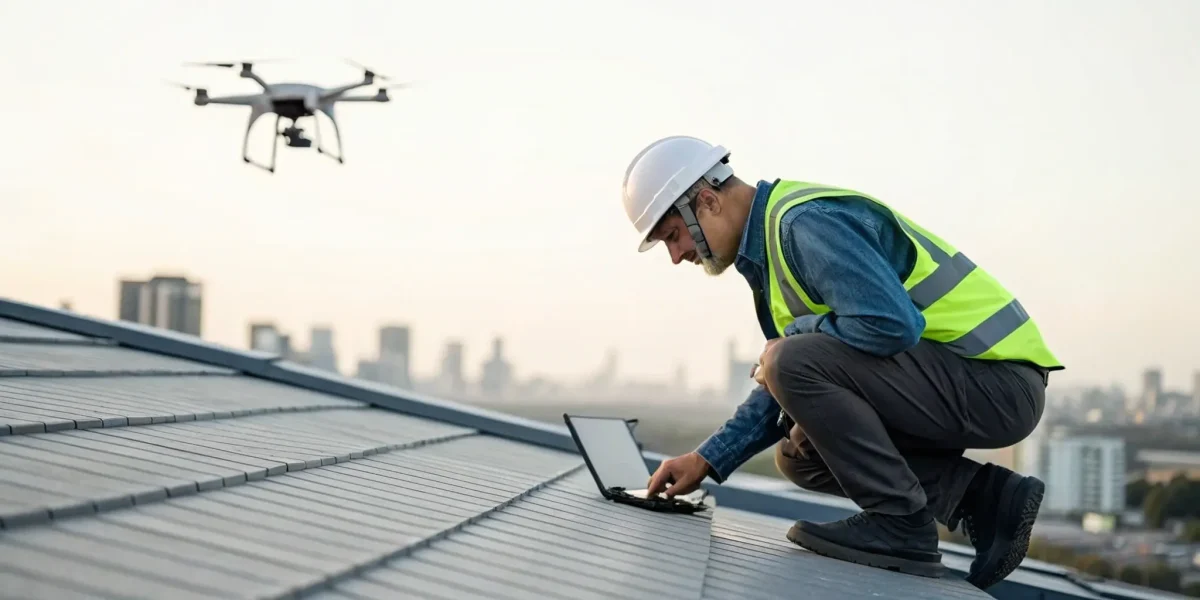
Not all inspections are created equal, and the technology used will directly influence your cost. A standard physical inspection, where an inspector walks the roof, is the most straightforward and typically costs between $75 and $200. For harder-to-reach areas or a quick overview, a drone inspection runs from $150 to $400. If you suspect leaks or energy loss, an infrared inspection is your best bet. This advanced method uses thermal imaging to find hidden moisture and costs between $400 and $600. A more comprehensive inspection that includes detailed damage assessments will naturally cost more but can save you from major headaches down the road.
How Location Affects Your Price
Where your property is located has a real impact on your inspection cost. Just like with other professional services, local market rates and labor costs vary from city to city and state to state. For example, the starting price for a commercial roof inspection in a high-cost area like San Diego is around $350, which is higher than the national average. This is why getting quotes from a few local, qualified inspectors is so important. It gives you a clear picture of what’s standard for your area and helps you find a fair price for the services you need, whether it’s a routine check-up or a specialized assessment like a California SB 721 inspection.
What Factors Drive Your Inspection Cost?
When you start gathering quotes for a commercial roof inspection, you’ll notice the prices can vary quite a bit. That’s because a thorough inspection isn’t a one-size-fits-all service. The final cost depends on several key details about your specific property and the professional you hire. Understanding these factors will help you see exactly what you’re paying for and why a higher price tag can often mean a more comprehensive, valuable service. From the sheer size of your roof to the inspector’s qualifications, each element plays a role in determining the final number. Let’s break down what drives your inspection cost so you can budget wisely and make an informed decision for your property.
Roof Size and Complexity
It makes sense that the bigger the roof, the more it costs to inspect. A sprawling industrial complex will naturally require more time and resources than a small retail building. But size is only part of the equation. The complexity of your roof design is just as important. A simple, flat roof is straightforward to assess. However, if your roof has multiple levels, steep slopes, or numerous features like skylights, vents, solar panels, and HVAC units, the inspection becomes more detailed. Each of these “penetrations” is a potential weak point for leaks, so an inspector needs to examine them carefully. This extra time and attention to detail will be reflected in your quote.
Your Roof’s Material and Type
The type of material covering your building is another major factor in the inspection cost. Different materials require specific knowledge and inspection techniques. For example, assessing a metal roof for rust and loose fasteners is a different process than checking a TPO or PVC membrane for punctures and failing seams. Some materials, like built-up roofing (BUR) with gravel, can make it harder to spot underlying issues, requiring a more intensive inspection. The roof’s slope also matters. A low-slope or flat roof is generally easier and safer to walk on, while a steep-sloped roof may require specialized safety equipment and more time to inspect properly, which can increase the cost.
Ease of Access and Safety Needs
How easily can an inspector get onto your roof? If there’s a simple, secure access hatch, the cost will be lower. However, if your building is several stories high with no built-in access, the inspector will need to bring in special equipment like a lift or scaffolding. This adds to the overall cost and time required for the job. Safety is the top priority, and a difficult-to-access roof requires extra precautions to keep everyone safe. This is especially true for specialized services like the California SB 721 inspections for elevated exterior elements, where access and safety protocols are strictly defined and can influence the price.
The Inspector’s Credentials
You’re not just paying for a walk-through; you’re investing in professional expertise. The experience and qualifications of your inspector play a significant role in the cost. A highly trained and certified professional will likely charge more than a general contractor who only does inspections on the side, but their insights are invaluable. An inspector with an NRCIA certification has completed extensive training and education and follows a strict set of standards. This level of professionalism ensures you get a detailed, accurate report that you can rely on for maintenance planning, real estate transactions, or insurance claims. Choosing a qualified inspector is an investment in protecting your property for the long haul.
What Are Your Commercial Roof Inspection Options?
When you schedule a commercial roof inspection, you’re not just getting a single, one-size-fits-all service. The type of inspection you need depends on your roof’s age, material, and any specific issues you’ve noticed. A basic check might be enough for a newer roof, but a building with a history of leaks will likely need a more advanced approach. Understanding the different methods helps you know what to ask for and what to expect from your inspector’s report. From a simple walk-through to high-tech thermal imaging, each option provides a different level of detail to help you protect your investment.
Visual Inspections
A visual inspection is the foundation of any thorough roof assessment. This is where a certified inspector physically walks the entire roof surface, getting an up-close look at its condition. They are trained to spot subtle signs of trouble that an untrained eye would miss. The inspector will be looking for obvious issues like cracks, blisters, pooling water, and damaged flashing around vents and equipment. This hands-on approach is essential for understanding the overall health of your roof and is typically the first step in diagnosing any problems. An inspector with the right professional training can identify minor issues before they become costly headaches.
Drone Inspections
For large commercial roofs or those with steep slopes and difficult access points, a drone inspection is an excellent solution. Drones offer a safer and often more efficient way to get a comprehensive view of the entire roofing system. Equipped with high-resolution cameras, they can capture detailed images and videos of hard-to-reach areas without putting an inspector at risk. This technology provides a complete picture of the roof’s condition, making it easier to identify potential problem spots from a bird’s-eye view before committing to more intensive, on-roof work. It’s a smart choice for initial assessments on sprawling or complex properties.
Infrared Thermal Inspections
When problems are hiding beneath the surface, an infrared inspection is the best way to find them. This advanced method uses a special thermal camera to detect temperature differences across the roof. Areas where moisture has seeped under the roofing material will hold heat differently than dry areas, showing up clearly on the thermal scan. This technology is incredibly effective for finding small, hidden leaks and saturated insulation that you can’t see with your eyes. While it’s a more specialized service, it provides invaluable data for preventing major structural damage and maintaining a truly LeakFREE® roof.
Moisture Detection Inspections
Similar to infrared scans, moisture detection inspections focus on finding water that has penetrated the roof’s membrane. Inspectors may use various specialized tools, like electrical impedance scanners or nuclear moisture gauges, to pinpoint areas of trapped moisture under the surface. Identifying and addressing these wet spots is critical to preventing mold growth, wood rot, and the degradation of your roof’s structural integrity. This type of inspection is often used to verify findings from a visual or infrared scan, giving you a complete and accurate diagnosis of your roof’s condition and a clear path forward for repairs.
What Does a Professional Inspection Actually Cover?
When you hire a professional for a commercial roof inspection, you’re getting much more than a quick glance from the ground. A thorough inspection is a top-to-bottom health check for one of your building’s most critical assets. The inspector’s goal is to give you a complete and accurate picture of your roof’s current condition, identify potential weaknesses, and provide a clear path forward for maintenance and repairs. This isn’t just about finding existing leaks; it’s about preventing future ones.
A certified inspector follows a systematic process to ensure nothing is missed. They examine every component, from the main surface area to the smallest details like flashing and seals. They understand how different roofing systems work and what specific signs of wear and tear to look for. This detailed assessment helps you understand the remaining lifespan of your roof, budget for future work, and protect your investment. Ultimately, a professional inspection provides the peace of mind that comes from knowing exactly what’s happening over your head.
A Full Examination of the Roof Surface
The core of any inspection is a detailed examination of the roof’s surface. An inspector methodically checks the entire field of the roof for any signs of trouble. This includes looking for cracks, blisters, open seams, or areas of standing water on flat roofs. They’ll also check for physical damage from weather or foot traffic and search for subtle signs of hidden water in the insulation, which can lead to serious structural issues if left unaddressed. This comprehensive check is the first step toward ensuring you have a LeakFREE® roof that protects your property.
Checking Your Drainage System
A roof is only as good as its ability to shed water. That’s why a critical part of the inspection process involves making sure water flows off the roof correctly. The inspector will examine all components of your drainage system, including gutters, downspouts, scuppers, and internal drains. They’ll check for blockages from debris, signs of corrosion, and any damage that could impede water flow. Proper drainage prevents ponding water, which can add immense weight to your roof structure and accelerate the deterioration of roofing materials, saving you from costly repairs down the line.
Identifying Issues That Drive Up Repair Costs
One of the biggest benefits of a regular roof inspection is catching small problems before they become big, expensive disasters. An inspector is trained to spot the early warning signs of failure that an untrained eye would easily miss. A minor tear in the roof membrane, a piece of loose flashing around a vent pipe, or a clogged drain might seem insignificant, but these are the very issues that lead to widespread water damage, mold growth, and structural decay. By addressing these minor issues proactively, you can extend the life of your roof and avoid the high cost of emergency repairs. This is especially crucial for commercial property owners who need to manage maintenance budgets effectively.
What to Expect in Your Final Report
After the physical inspection is complete, you’ll receive a detailed report that outlines all the findings. This isn’t just a simple checklist; it’s a comprehensive document that includes high-resolution photos of any problem areas, a clear description of the issues, and professional recommendations for necessary repairs or maintenance. This report serves as an invaluable tool for planning and budgeting. You can use it to prioritize repairs, schedule future maintenance, and provide clear documentation for insurance claims. The best inspectors use specialized inspection software to generate clear, professional reports that are easy for you to understand and act on.
How Often Should You Get Your Commercial Roof Inspected?
Think of a roof inspection like a routine check-up for your building. It’s not something you do only when there’s a problem; it’s how you prevent problems from happening in the first place. Establishing a regular inspection schedule is one of the smartest moves a property manager or owner can make. It helps you stay ahead of wear and tear, catch minor issues before they spiral into costly disasters, and ultimately extend the life of your roof. A proactive approach keeps your building safe, your tenants happy, and your budget predictable. It shifts roof care from a reactive emergency expense to a planned operational cost.
The Ideal Inspection Schedule
For most commercial properties, the sweet spot for roof inspections is twice a year: once in the spring and again in the fall. This rhythm allows a professional to assess any damage caused by harsh winter weather and then prepare your roof for the cold and moisture to come. A spring inspection can identify issues like cracks from ice dams or damage from heavy snow loads. A fall inspection focuses on clearing debris from drainage systems and ensuring everything is sealed tight before winter arrives. This bi-annual schedule serves as a baseline for keeping your roof in prime condition and is a standard practice for responsible property stakeholders.
Why the Season Matters
Beyond the standard spring and fall check-ups, your local climate and weather patterns play a huge role. If your area is prone to severe weather, you’ll need to be more vigilant. It’s critical to schedule an inspection after any major event, like a hailstorm, hurricane, or heavy blizzard. Strong winds can lift flashing, hail can create dents and punctures, and heavy snow can put immense stress on the roof structure. An inspector can spot this kind of acute damage right away. Getting ahead of wet weather is especially important, as even a small, undetected leak can lead to significant interior damage, mold growth, and compromised insulation over time.
How Regular Inspections Save You Money
Regular inspections are an investment that pays for itself many times over. Finding a small issue like a clogged drain or a cracked sealant early on might cost a few hundred dollars to fix. But if you let it go, that same problem could cause a major leak, leading to thousands in repairs for damaged inventory, equipment, and structural components. Think of it this way: a routine inspection is a small, predictable expense that helps you avoid a massive, unexpected one. By keeping up with maintenance, you also ensure your roof lasts its full intended lifespan, pushing a full replacement—the biggest roofing expense of all—as far into the future as possible and protecting your property with a LeakFREE® roof.
The Hidden Price of Skipping an Inspection
Thinking of an inspection as just another expense is an easy mistake to make, but it’s one that can cost you dearly. The upfront price of a professional roof inspection is minor compared to the financial surprises that can pop up when you neglect your roof. Skipping this crucial step is a gamble where the odds are stacked against you.
When you put off an inspection, you’re not just saving a few hundred dollars; you’re opening the door to much larger problems. These hidden costs often show up at the worst possible times—as a five-figure emergency repair bill, a denied insurance claim after a major storm, or the news that your entire roof needs to be replaced years ahead of schedule. A proactive inspection puts you in control, turning potential disasters into manageable maintenance tasks. It’s the difference between planning for the future and reacting to a crisis.
The High Cost of Emergency Repairs
Regular roof inspections are your first line of defense against unexpected, high-cost repairs. A professional can find small problems before they become big, expensive emergencies. A minor issue like a cracked sealant or a few loose shingles might seem insignificant, but over time, they allow water to seep in, leading to rotted decking, damaged insulation, and even interior water damage. Before you know it, a simple fix has turned into a major restoration project.
Emergency repairs are always more expensive than planned maintenance. You’ll pay a premium for urgent service, especially if it’s after hours or on a weekend. By catching issues early, you can schedule repairs on your own timeline and budget, helping you maintain a LeakFREE® roof and protecting your property from the shock of a sudden failure.
Navigating Insurance Claims Without Proof
After a severe storm, the last thing you want is a battle with your insurance company. A recent inspection report is one of your most powerful tools in the claims process. If your roof gets damaged, this report can prove the roof was in good shape before the event, which is crucial for validating your claim. Without this documentation, your insurer could argue that the damage was pre-existing or resulted from poor maintenance, potentially leading to a denied or reduced payout.
Think of an inspection report as your roof’s official record of health. It provides a detailed, third-party assessment that leaves little room for dispute. This is especially important for the diverse group of property stakeholders who need to protect significant assets. Having clear, professional documentation on hand simplifies the claims process and ensures you get the coverage you’ve been paying for.
Avoiding an Early Roof Replacement
A commercial roof is a major investment, and you want it to last as long as possible. Regular inspections are the key to maximizing its lifespan. Finding small problems early prevents them from turning into huge, costly issues later. A simple inspection could save you thousands in future damage by catching problems before they spiral out of control. An inspector can spot subtle signs of wear and tear, like membrane deterioration or failing flashing, that you might miss.
Addressing these minor issues promptly prevents the kind of widespread damage that leads to a premature replacement. Instead of facing a massive capital expense, you can manage your roof with a series of smaller, predictable maintenance repairs. This proactive approach not only saves you money but also extends the life of your existing roof, giving you a much better return on your initial investment.
How to Find a Qualified Commercial Roof Inspector
Choosing the right inspector is just as important as deciding to get an inspection in the first place. The quality of your inspection—and the accuracy of the final report—depends entirely on the person examining your roof. A thorough inspector can spot subtle signs of trouble that might otherwise go unnoticed, saving you from expensive emergency repairs down the road. This isn’t just about getting a piece of paper; it’s about getting a clear, actionable roadmap for your roof’s maintenance and future.
When you’re vetting potential inspectors, you’ll want to look for a few key things that separate the experts from the amateurs. This includes meaningful certifications that prove their expertise, proper licenses and insurance to protect your property, and the right technology to conduct a comprehensive assessment. A great inspector doesn’t just look for leaks; they evaluate the entire roofing system to understand its current condition and predict its future performance. Taking the time to find a truly qualified professional ensures you get real value from your investment and the confidence that your property is protected.
Why NRCIA Certification is a Must-Have
When an inspector holds an NRCIA certification, it’s a clear sign they’ve met the industry’s highest standards. These professionals have undergone rigorous training and are equipped with the knowledge to give you an accurate, unbiased assessment of your roof’s condition. NRCIA inspectors are experts at identifying the root cause of issues and can even help you debunk common roofing myths that might lead to poor decisions. This certification isn’t just a credential; it’s your assurance that the inspector is committed to a standardized, thorough process. It means you can trust their findings and recommendations, giving you the confidence to plan for maintenance and repairs effectively.
Verifying Licenses and Insurance
Before you hire anyone to set foot on your roof, it’s essential to confirm they are properly licensed and insured. This step is non-negotiable, as it protects you and your property from liability. A licensed inspector has met state or local requirements to operate legally, while insurance covers any potential accidents or damage that could occur during the inspection. Always ask for proof of general liability and workers’ compensation insurance. A reputable professional will have no problem providing this documentation. This simple check ensures you’re working with a legitimate business that adheres to professional standards and takes its responsibilities seriously.
Checking Their Tools and Technology
The best inspectors use more than just a ladder and a keen eye. Modern technology allows for a much more detailed and non-invasive look at your roof’s health. Ask potential inspectors what tools they use. Do they employ drones for a safe, comprehensive view of hard-to-reach areas? Do they use infrared thermal cameras to detect moisture trapped beneath the roof’s surface? Different roof materials, like flat membranes or metal, often require different inspection methods. An inspector who invests in the right inspection software and equipment is better prepared to give you a complete picture of your roof’s condition, ensuring no potential issue is overlooked.
Your Post-Inspection Game Plan: Prioritizing Repairs
Once your commercial roof inspection is complete, you’ll receive a detailed report outlining its condition. This document is your roadmap, but it can feel overwhelming if it lists multiple issues. The key isn’t to fix everything at once, but to create a strategic plan. A good inspector provides the data; a smart property owner uses that data to prioritize repairs, protect their asset, and manage their budget effectively. Here’s how to break it down.
Tackling Safety Hazards First
Your first priority should always be safety. Any issue that poses an immediate risk to people or property needs to be addressed right away. This includes things like loose materials that could be dislodged by wind, significant structural sagging, or active leaks over sensitive equipment or high-traffic areas. Regular roof inspections are designed to catch these problems before they escalate into dangerous and expensive situations. Think of these repairs as non-negotiable. Addressing them promptly not only ensures the safety of everyone in the building but also prevents minor issues from turning into catastrophic failures down the line.
Addressing Structural Issues
Next, focus on problems that affect the long-term structural integrity of your roof. While not immediate safety threats, issues like cracks, blisters, membrane punctures, and areas of standing water are ticking time bombs. These are the common spots where leaks begin, and if left untreated, they can lead to rot, mold, and serious damage to the roof deck. A thorough inspection will pinpoint these vulnerabilities, especially around vents, AC units, and skylights. By addressing these problems early, you can often extend the life of your roof by several years, delaying the need for a costly replacement and ensuring your building remains watertight.
Planning for Future Maintenance
Not every item on an inspection report requires immediate action. Some findings will be minor wear and tear or areas to watch. This is where you can plan for future maintenance and budget accordingly. An inspection that costs a few hundred dollars could save you thousands in future damage by giving you a clear picture of your roof’s health. Use this information to establish a routine maintenance schedule with a trusted professional. Getting your commercial roof inspected at least twice a year—typically in the spring and fall—allows you to stay ahead of problems and manage your roofing expenses proactively. The professionals you work with can help you create a long-term plan that works for your property and budget.
How to Budget for Commercial Roof Inspections
Treating your roof inspection as a predictable, planned expense rather than a surprise cost is one of the smartest moves a property manager can make. A solid budget not only prepares you for the inspection itself but also helps you plan for the entire lifecycle of your roof. By thinking ahead, you can avoid the financial stress of emergency repairs and keep your building protected.
Budgeting for inspections doesn’t have to be complicated. It’s about shifting your mindset from reactive to proactive. Instead of waiting for a leak to appear, you’re investing in consistent care that saves you money and headaches down the road. With a few simple strategies, you can build a financial plan that keeps your roof in top condition and your expenses in check.
Ask About Multi-Property Discounts
If you’re managing a portfolio of properties, you’re in a great position to save on inspection costs. Many inspection companies offer discounts for bundling services. When you’re vetting inspectors, make it a point to ask about their pricing for multiple buildings. As experts at HomeAdvisor note, “If you own several buildings, you might save money by hiring an inspector who can check multiple properties at once.” This approach streamlines the process by letting you work with a single trusted partner, simplifying scheduling and communication while lowering the cost per inspection. It’s an efficient strategy for property managers looking to maximize their budget.
Consider a Maintenance Contract
A maintenance contract is a fantastic tool for turning unpredictable repair costs into a manageable, fixed expense. Instead of calling an inspector only when you suspect a problem, a contract puts you on a regular schedule for proactive check-ups. This ensures small issues are caught before they escalate. According to Roofcorp, “Regular roof inspections are important for your building. They help find small problems before they become big, expensive repairs.” A maintenance plan not only extends the life of your roof but can also satisfy requirements from your insurance provider, making it a wise investment in your property’s long-term health and giving you the peace of mind that comes with LeakFREE® roof protection.
Strategies for Long-Term Budgeting
Effective budgeting is all about playing the long game. Think of a roof inspection not as a cost, but as an investment that pays for itself. As Roof Medic points out, “Finding small problems early prevents them from turning into huge, costly repairs later. A $250 inspection could save you $10,000 in future damage.” The detailed report you receive after an inspection is your roadmap for future capital expenditures. It allows you to plan and save for necessary repairs or an eventual replacement, eliminating surprise expenses. This forward-thinking approach ensures you can allocate funds effectively and maintain the value of your asset without last-minute financial scrambles.
Related Articles
- Inspection Report Archives – NRCIA
- roof inspection Archives – NRCIA
- Inspection Process Archives – NRCIA
- Paul Watrous, Author at NRCIA
- homeowner Archives – NRCIA
Frequently Asked Questions
Why should I pay for an inspection when some companies offer them for free? A free inspection is often a sales tool used by roofing companies to get on your roof and provide a quote for repairs. While it can be a starting point, a paid inspection from an independent, certified professional is an unbiased assessment of your roof’s health. You’re paying for their expertise and a detailed report you can trust, not a sales pitch. This objective information is crucial for accurate budgeting and making decisions that are in your best interest, not just the contractor’s.
What’s the real benefit of hiring an NRCIA-certified inspector over a general contractor? Hiring an NRCIA-certified inspector means you’re getting a specialist who has completed extensive, standardized training focused solely on roof systems. Unlike a general contractor who may have broad knowledge, an NRCIA professional understands the specific failure points of different commercial roofing materials and follows a strict inspection process. This expertise results in a more thorough and accurate report, giving you a reliable foundation for maintenance planning, insurance claims, or real estate transactions.
How long does a commercial roof inspection usually take? The time required for an inspection can vary quite a bit, but most standard commercial roof inspections take between one to three hours to complete on-site. The final duration depends on the roof’s size, complexity, and ease of access. A large, intricate roof with numerous HVAC units and skylights will naturally take longer than a small, simple, flat roof.
Does a more expensive inspection guarantee better results? Not necessarily, but price often reflects the thoroughness and technology involved. A higher cost might include advanced methods like infrared thermal imaging to detect hidden moisture or drone technology for a comprehensive view of a large or hard-to-access roof. Instead of focusing only on the price, look at what the inspection includes. A detailed report from a highly qualified inspector using modern tools provides far more value and can save you much more money in the long run than the cheapest option available.
After the inspection, am I obligated to use the same company for repairs? Absolutely not. A key benefit of hiring an independent inspector is that you receive an objective report that you own. You can then take this detailed document and share it with multiple qualified roofing contractors to get competitive bids for any necessary repairs. This separates the assessment from the sales process, putting you in control and ensuring you get fair pricing for the work that needs to be done.
