Why roof condition is hard to underwrite
Carriers reduce roof claims the way they reduce every other line of loss: by knowing the condition of the risk before writing it, and by knowing that somebody qualified actually looked. Roofs make both parts difficult. There is no federal license for roof inspectors, the depth of an inspection varies enormously from one provider to the next, and a roof reported as “good condition” by one inspector can be a claim by the next storm.
Requiring a documented, standards-based roof certification closes part of that gap. This is what a LeakFREE® Roof Certification is, what it is not, and how carriers use it.
What a LeakFREE® Roof Certification is
A LeakFREE® Roof Certification records that a specific roof, at a specific address, on a specific date, met the published LeakFREE® criteria. It is issued by the accredited individual who performed the inspection, never by a business entity, and it is generated and registered through InspectionPLUS®. A certificate produced outside that platform is not valid.
The term is set by the findings, the slope, the materials and the condition of the roof, up to a maximum of ten years. The expiration is printed as a date, and it is never extended to close a sale. Re-inspection is triggered when repairs are performed by anyone other than an NRCIA member.
LeakFREE® is our federally registered trademark. Only NRCIA members can issue a LeakFREE® certification.
What it is not
A LeakFREE® certification is a documented condition of record. It carries no promise that a roof will stay dry. It is not insurance, not a service contract, and not a warranty, and it does not shift liability for future damage to NRCIA or to the member who issued it. Any description that treats it as coverage misstates the product, and carriers should treat it as underwriting evidence rather than as a risk transfer.
What sits behind the certificate
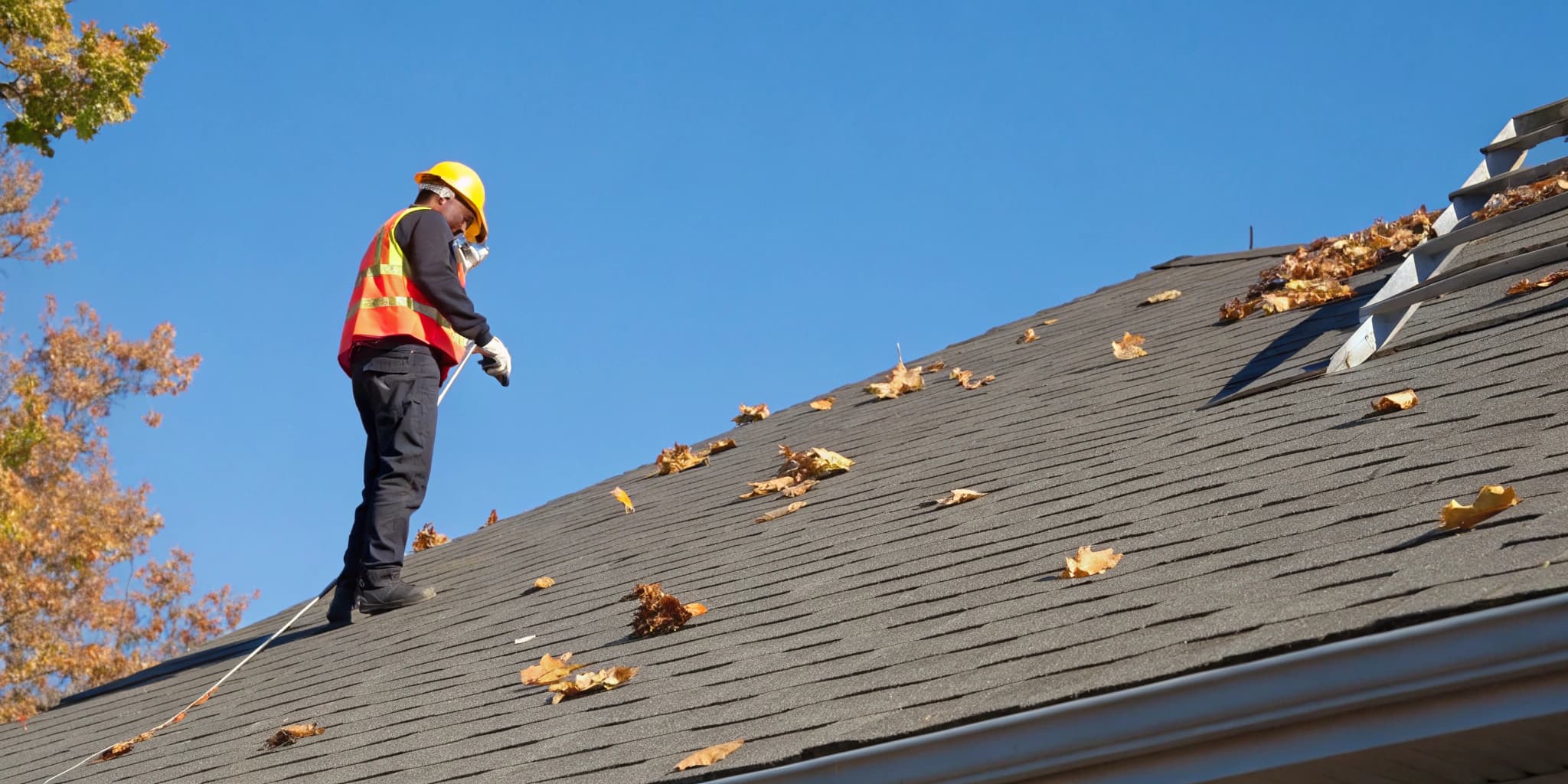
The inspection is a LeakFREE® Check, covering five zones: the interior, the attic, the exterior, the perimeter and the rooftop. The deliverable is a LeakFREE® Roof Inspection Report.
The zone structure is what makes the report useful in a file. A rooftop walk by itself misses active intrusion that shows on the underside of the deck. The attic zone catches damp sheathing, staining and daylight at flashings. The interior zone catches ceiling and wall evidence that dates a problem. The perimeter zone catches drainage, terminations and grade conditions that drive water back into the assembly. Together they produce a photographed, dated record of what the roof looked like on that day.
How carriers use it to reduce roof claims
Underwrite on documented condition
An age-based rule declines or surcharges roofs that still have service life, and accepts roofs that look young and were installed badly. A dated inspection report replaces an assumption with a finding.
Deficiencies get corrected before they become losses
Most of what a five-zone inspection finds is small and fixable: failed sealant, split pipe boots, lifted or reversed flashing, blocked drainage, missing fasteners. Corrected early, those items cost a service call. Left alone, they become interior water damage claims.
Across 6,460 member inspections nationwide, more than 66 percent of roofs either qualified for a LeakFREE® certification or could be repaired to qualify. For a book of business, that means a certification requirement functions largely as a repair program rather than as a wave of declinations.
A cleaner record when a claim does arrive
The most expensive arguments in roof claims are about timing. Was the damage caused by the hail event, or was it wear that predates the policy? A dated report with photographs gives an adjuster a baseline to compare against, which shortens investigations, supports coverage decisions, and helps in subrogation where prior work is at issue.
Repairs stay inside a known standard
Because re-inspection is triggered whenever repairs are performed by anyone other than an NRCIA member, the certification cannot quietly survive unqualified work. Poor prior repair is a common root cause behind roof losses, and this rule surfaces it.
Putting it into practice
- Require a current certification on roofs above a set age at new business and at renewal.
- Offer a premium credit to insureds who hold one, and state the credit plainly in the declarations.
- Accept the LeakFREE® Roof Inspection Report as supporting documentation in the claims file.
- Ask adjusters to record whether a certification was in force at the date of loss, and to pull the report when it was.
- Point insureds to the member directory rather than to a general contractor search, so the inspection follows one standard.
NRCIA sets the standard, trains and accredits members, and administers the LeakFREE® certification system. Accredited members perform the inspections and issue the certifications.
Find an accredited inspector
Locate an accredited NRCIA inspector for your insureds in the NRCIA member directory.
LeakFREE®, Forensic ROOF®, Mr. RoofCheck®, InspectionPLUS®, Today’s Inspection… Tomorrow’s Protection®, and Got Leaks?® are registered trademarks of Field Gate FLP, used by permission. RoofGUARD™, ForensicGUARD™, DisasterGUARD™, E3GUARD™, and Think Like a Raindrop™ are trademarks of Field Gate FLP.