
Know who works for whom
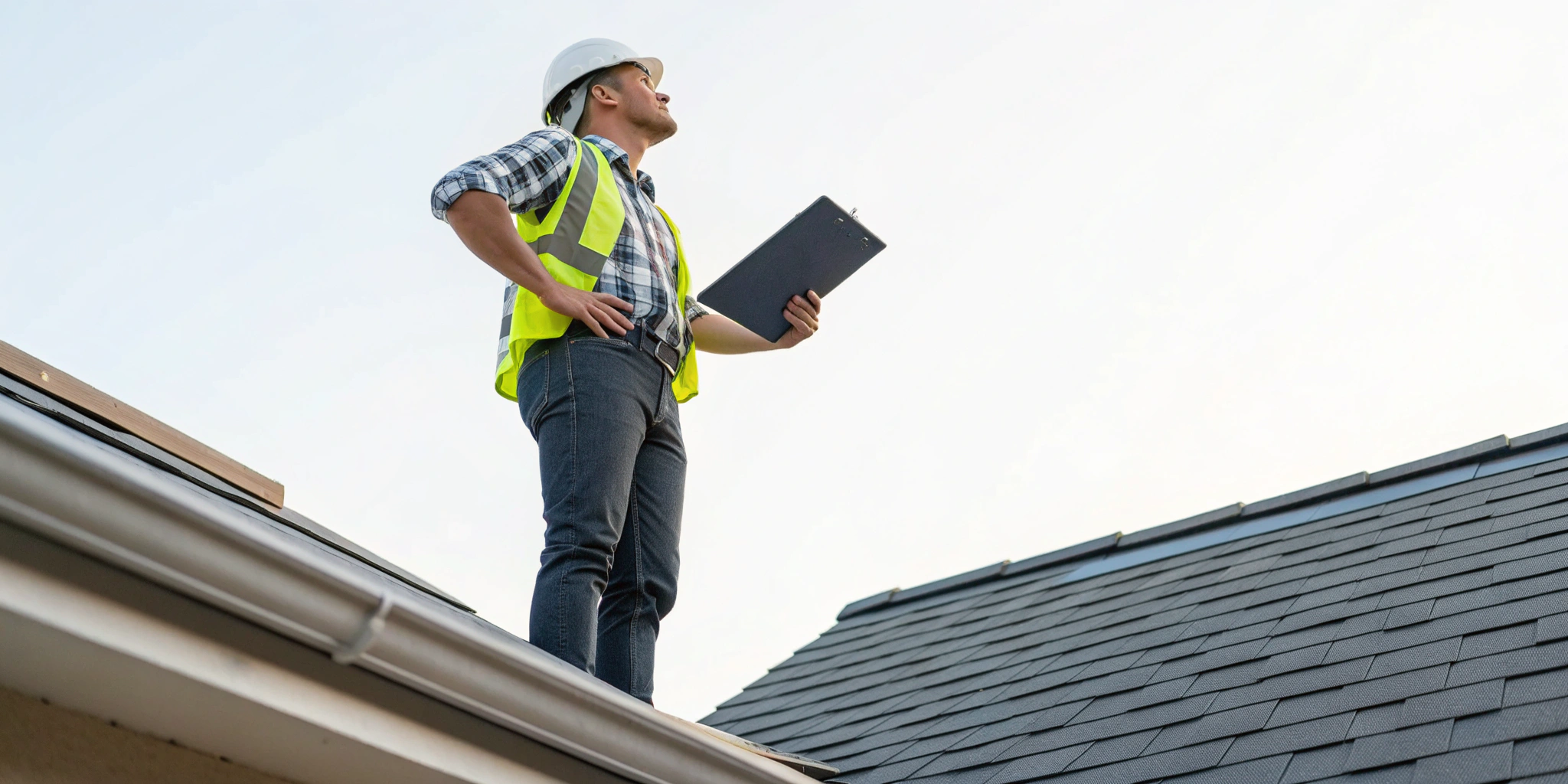
In a roof damage claim, three people look at the same roof and reach three different conclusions. The carrier’s adjuster works for the carrier. The contractor bidding the repair earns money if the scope grows. An independent roof inspection for insurance purposes gives you the one assessment produced by someone with no stake in the outcome.
That distinction is the whole point. You are buying a documented opinion, not a repair proposal.
What an independent roof inspection for insurance gives you
A claim is decided on evidence. Photographs with locations. Damage described in terms an adjuster recognizes. A clear statement of what failed and what caused it. Without that, a claim comes down to your description against theirs.
A written report also creates a dated record. If the carrier argues the damage predates the storm, the record is what answers the argument. Nobody can promise a claim outcome. A carrier decides claims under the policy language, and no inspection changes that. What documentation changes is the quality of the conversation.
Separating storm damage from ordinary wear
Most disputed roof claims turn on one issue: whether the damage came from a covered event or from age. Hail bruising, wind uplift at the eaves, creased shingles and displaced tile look different from thermal cracking, granule loss and fastener backout, and a trained inspector can explain the difference in writing.
This investigative work is why NRCIA built the ForensicGUARD™ program, which accredits members as NRCIA Forensic Roof Inspectors. DisasterGUARD™ accreditation adds insurance-related evaluation work on top of it. When a claim is contested, or when an attorney becomes involved, those designations tell you the inspector has been trained for that setting.
What belongs in the report
- Date, address, weather event referenced, and the inspection method used.
- Photographs of each affected area, with enough context to locate them on the roof.
- Findings by zone. NRCIA members work through five: interior, attic, exterior, perimeter and rooftop.
- A stated cause for each finding, separating event damage from existing wear.
- Recommended repairs, prioritized.
NRCIA sets that standard and accredits the members who deliver it. NRCIA does not inspect roofs or write reports. Members do, using the LeakFREE® Roof Inspection Report.
When to schedule
Before you file. An inspection ahead of the claim tells you what you are actually claiming, and whether filing makes sense at all.
After severe weather, even with nothing visible from the ground. Lifted shingles and cracked seals rarely announce themselves until the next heavy rain.
During a purchase or sale. A roof is one of the costliest components of a building, and a dedicated roof inspection goes well past what a general home inspection covers.
Annually, as maintenance. A dated history of condition is the strongest answer to a future claim that the roof was neglected.
How to vet an independent inspector
There is no federal license for roof inspectors. Anyone can use the title. That makes the following questions worth asking every time.
- What accreditation do you hold, and who maintains that standard?
- Do you sell repairs or replacements? If yes, the report is a bid.
- Can I see a sample report before I book?
- Do you carry general liability and errors and omissions coverage?
- Have you testified or supported a contested claim before?
Be cautious of an unusually low fee, a refusal to share a sample report, and anyone who quotes a replacement before completing the assessment.
Certification, once the repairs are done
After the claim closes and the work is complete, an accredited member can perform a LeakFREE® Check and, if the roof meets the published criteria, issue a LeakFREE® Roof Certification through InspectionPLUS®. It records the roof’s condition on that date, with a term set by the findings, the slope, the materials and the condition, to a maximum of ten years. It is not insurance, and it does not promise a roof will never leak. LeakFREE® is our federally registered trademark, and only NRCIA members can issue a LeakFREE® certification.
Find an accredited NRCIA inspector near you. Search the NRCIA member directory before you file your claim.
LeakFREE®, Forensic ROOF®, Mr. RoofCheck®, InspectionPLUS®, Today’s Inspection… Tomorrow’s Protection®, and Got Leaks?® are registered trademarks of Field Gate FLP, used by permission. RoofGUARD™, ForensicGUARD™, DisasterGUARD™, E3GUARD™, and Think Like a Raindrop™ are trademarks of Field Gate FLP.

