What drives an entry level roof inspector salary
An entry level roof inspector salary is not a single number, and anyone quoting you one without asking where you live and how you get paid is guessing. Compensation in this field is assembled from four inputs, and you control two of them.
For a wage baseline, the U.S. Bureau of Labor Statistics publishes occupational wage data for construction and building inspectors, which is the closest federal category covering this work. Read it by state and metro area rather than nationally. The national figure blends storm markets and quiet ones, and the spread between them is the part that matters to you.
Where you work
Region drives demand, and demand drives rate. Hail corridors, hurricane exposed coastlines and areas with heavy freeze thaw cycles generate inspection volume that mild climates do not. Cost of living moves the number too, so compare a wage against local housing before you accept it.
How you are paid
Roles come in three structures. A salaried position gives you a predictable paycheck and a slower ceiling. Straight commission ties income directly to completed inspections or resulting work, which pays well in a busy season and poorly in February. A base plus commission model sits between them and is generally the safer place to start while you are still building speed.
If a role is commission based, ask specifically when commissions are paid, on what trigger, and what happens to a commission when a job is cancelled after the inspection. Get the answer in writing. Payment timing is where commission agreements tend to go wrong.
Who employs you
An established inspection company supplies leads, scheduling, insurance and equipment, and takes a share for it. Independent contracting keeps more of each fee and hands you the cost of vehicles, ladders, software, liability insurance and your own tax burden. Neither route is better. They pay differently, and they fail differently.
What credentials you hold
This is the input you control fastest. There is no federal license for roof inspectors. Nothing at the national level defines who may use the title, so the credential behind your signature is what a client, an agent or an adjuster reads to decide whether your assessment is worth paying for.
What the job actually involves
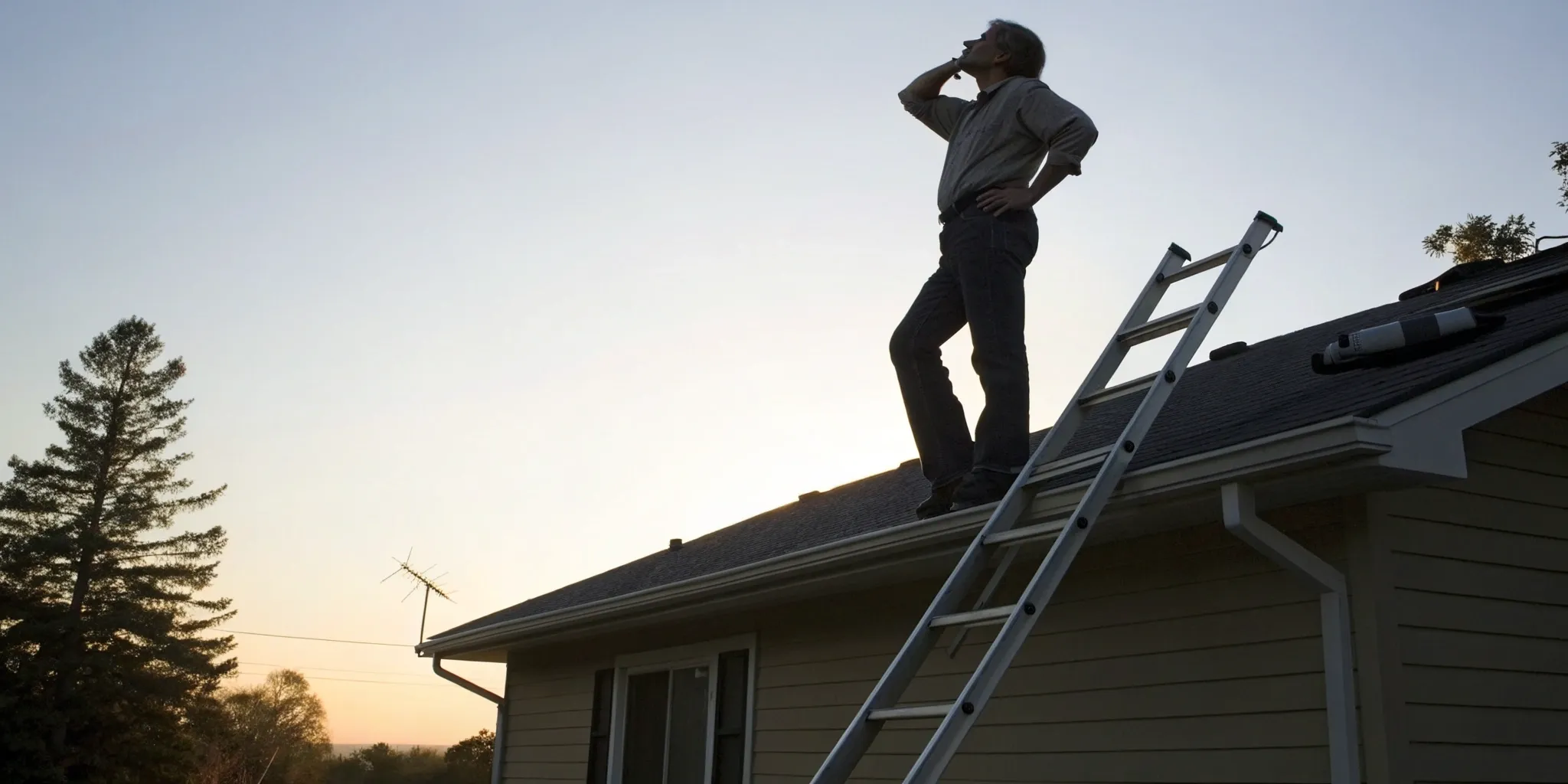
Expect ladders, attics, crawl spaces and roofs of every pitch, in weather you did not choose. Expect to write. A thorough inspection produces a documented report with photographs tied to findings, and the writing takes real time after the truck is packed up. Expect to explain. Homeowners hear roof findings as bad news about money, and delivering that clearly and calmly is a skill that separates inspectors who get referrals from inspectors who get arguments.
Safety governs the day. Site assessment before you set a ladder, harness and slip resistant footwear on anything steep or wet, and a willingness to reschedule when wind or ice makes the roof unsafe. No inspection fee justifies a fall.
How to raise the number
Entry level pay is a starting position. The three moves that change it are specialization, accreditation and volume.
Accredit through a program
NRCIA sets the standard for roof inspection and certification, then trains and accredits members against it. The path runs through four programs:
- RoofGUARD™ produces the NRCIA Certified Roof Inspector (CRI) designation. It advances to Senior Roof Inspector at 500 inspections and Master Roof Inspector at 1,000, so the ladder is measured in work completed rather than years served.
- ForensicGUARD™ is the flagship program and produces the NRCIA Forensic Roof Inspector (FRI) designation for cause and origin work, disputed claims and expert witness engagements.
- E3GUARD™ covers exterior elevated elements: decks, balconies, walkways, patios and staircases, with state tracks including CA-SB721 and CA-SB326. It carries no prerequisite program, which makes it a practical early specialization.
- DisasterGUARD™ covers insurance related evaluations and is added to an active ForensicGUARD™ accreditation, or E3GUARD™ for members already working disaster claims.
Membership pairs a program with a Package: Silver, Gold, Platinum or Enterprise. Accreditation also opens work that is closed to you otherwise. LeakFREE® is our federally registered trademark. Only NRCIA members can issue a LeakFREE® certification, and every certificate is generated and registered through InspectionPLUS®.
Add credentials from outside the roof
The HAAG Certified Inspector program is well regarded for storm damage methodology and is familiar to carriers and engineering firms. NRCA PROCertification verifies installation skill, which strengthens your diagnostic work because you can explain why a detail failed rather than describing that it did. Home inspection licensing, where your state requires it, widens the range of jobs you can accept.
Build toward defensible work
Routine resale inspections are competitive and price sensitive. Balcony and deck compliance under California SB 721 and SB 326, storm claim documentation and forensic assignments require training a general inspector does not have, and they price accordingly. Across 6,460 member inspections nationwide, more than 66 percent of roofs either qualified for a LeakFREE® certification or could be repaired to qualify, which tells you how much documented work sits behind a single accreditation.
What to ask before accepting an offer
- Base, commission split, and the exact payment trigger and schedule
- Who supplies vehicle, ladders, safety equipment and reporting software
- Who carries liability coverage, and whether you are classified as an employee or a contractor
- Expected inspections per week, and what happens to pay in the slow season
- What training the company pays for, and whether the credential stays with you if you leave
Review the RoofGUARD™ program and start accreditation. Requirements are listed on the RoofGUARD program page.
LeakFREE®, Forensic ROOF®, Mr. RoofCheck®, InspectionPLUS®, Today’s Inspection… Tomorrow’s Protection®, and Got Leaks?® are registered trademarks of Field Gate FLP, used by permission. RoofGUARD™, ForensicGUARD™, DisasterGUARD™, E3GUARD™, and Think Like a Raindrop™ are trademarks of Field Gate FLP.