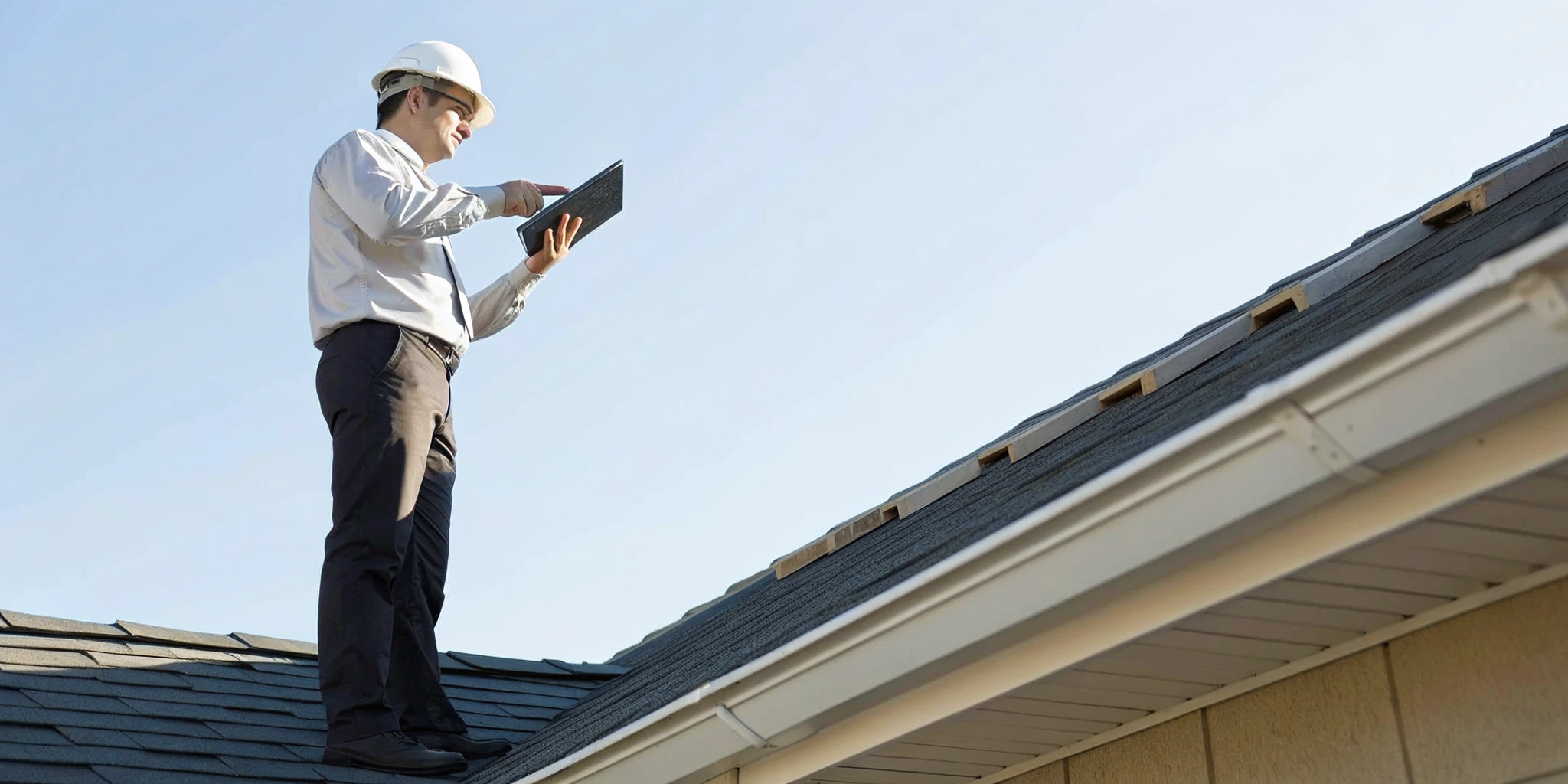
What a Roof Inspector Actually Does
A roof inspector reads a roof the way water reads it. You trace where water lands, where it is meant to go, and where it stops. A roof inspector training course exists to make that reading systematic, repeatable, and defensible in writing.
The work is assessment. It is not repair. You document condition, name the defect and its likely cause, and hand the client a written record they can act on. Homeowners use that record to plan. Buyers and sellers use it to price a deal. Insurers and attorneys use it as evidence.
That last point is why the writing matters as much as the climbing. A report that cannot be defended two years later is not worth much to anyone.
The five zones
NRCIA members perform a LeakFREE® Check, a five-zone inspection covering the interior, the attic, the exterior, the perimeter, and the rooftop. Five zones, in that order, on every job. A roof that is walked but never viewed from the attic has been half inspected, and the half you skipped is usually where the story is.
Who Fits This Work
There is no federal license for roof inspectors. That fact cuts both ways. It lowers the barrier to entry, and it means the market has no built-in way to tell a trained inspector from someone with a ladder. Your training and your accreditation are what close that gap.
A high school diploma or the equivalent is the usual educational baseline. Beyond that, three backgrounds tend to translate well:
- Roofing and construction. You already know how assemblies fail. You are learning to describe failure rather than fix it.
- Home inspection. You know reporting discipline and client communication. You are adding roof-system depth.
- Insurance, real estate, and property management. You know what the report has to answer. You are learning the field craft behind it.
The physical side is real. Ladders, pitched surfaces, heat, cold, and wind. Good balance and steady stamina matter more than raw strength.
What a Roof Inspector Training Course Covers
Curricula vary, but a credible program covers five areas.
Materials and systems. Asphalt shingle, tile, metal, wood, and low-slope membranes such as TPO and EPDM. How each one ages, what normal wear looks like at year ten versus year twenty-five, and what counts as a defect rather than a cosmetic complaint.
Inspection technique. A fixed order of operations so nothing gets skipped when the weather turns or the client is standing in the driveway. Flashing, penetrations, transitions, drainage, ventilation, and the attic evidence that confirms or contradicts what you saw on top.
Safety. Fall protection, ladder setup, hazard assessment before you step off the ladder, and the OSHA requirements that apply to your work.
Documentation. Photo discipline, annotation, plain-language findings, and a report structure that a homeowner and a claims adjuster can both follow.
Codes and standards. Local building code, manufacturer installation requirements, and the published criteria you are inspecting against.
How NRCIA Accreditation Is Built
NRCIA sets the standard and accredits the people who apply it. Membership combines a program, which is the training accreditation, with a package, which is the annual benefits tier. Packages run Silver, Gold, Platinum, and Enterprise.
- RoofGUARD™ produces the NRCIA Certified Roof Inspector (CRI), advancing to Senior Roof Inspector at 500 inspections and Master Roof Inspector at 1,000.
- ForensicGUARD™ is the flagship program and produces the NRCIA Forensic Roof Inspector (FRI), with senior and master designations above it. This is the track for cause-and-origin work, litigation support, and expert testimony.
- E3GUARD™ covers exterior elevated elements: decks, balconies, walkways, patios, and staircases. It carries no prerequisite program and includes state tracks such as CA-SB721 and CA-SB326.
- DisasterGUARD™ handles insurance-related evaluations. It is an add-on that requires an active ForensicGUARD™, or E3GUARD™ for members already working disaster claims.
Accredited members can issue a LeakFREE® Roof Certification, generated and registered through InspectionPLUS®. The certification records that a specific roof, at a specific address, on a specific date, met the published LeakFREE® criteria. Term is set by findings, slope, materials, and condition, to a maximum of ten years, and the expiration is printed as a date. It is issued by the accredited individual who did the work, never by a company. LeakFREE® is our federally registered trademark, and NRCIA members are the ones who can issue a LeakFREE® certification.
What the Investment Looks Like
Training fees are one line in a larger budget. Plan for the rest before you take your earliest paid job:
- General liability and errors and omissions coverage. Many referral partners will ask for a certificate before they send you work.
- State or municipal business licensing where it applies.
- Field kit: ladder, camera, moisture meter, and a tablet that survives a job site.
- Continuing education, because materials and codes keep moving.
What you charge is your decision. NRCIA does not set member pricing, territories, or sales methods. Fees in this trade track roof size, slope, complexity, region, purpose, and the term of the certification being issued.
How Long It Takes
Self-paced coursework can be finished in a few weeks by someone with time to give it, or a few months alongside a full schedule. The exam confirms you can recognize defects, apply the standard, and work safely. Field competence takes longer, and it is built by riding along with an experienced inspector and by doing the work.
After Accreditation
Credentials open the door. Relationships keep it open. The inspectors who build steady books do four things consistently: they stay reachable, they turn reports around fast, they say plainly what they cannot determine, and they keep showing up in front of the agents, adjusters, and property managers who need a name they trust.
Find a mentor early. Shadowing two days with someone who has run a thousand inspections will teach you things no module can.
Compare the NRCIA programs and start your accreditation
LeakFREE®, Forensic ROOF®, Mr. RoofCheck®, InspectionPLUS®, Today’s Inspection… Tomorrow’s Protection®, and Got Leaks?® are registered trademarks of Field Gate FLP, used by permission. RoofGUARD™, ForensicGUARD™, DisasterGUARD™, E3GUARD™, and Think Like a Raindrop™ are trademarks of Field Gate FLP.