
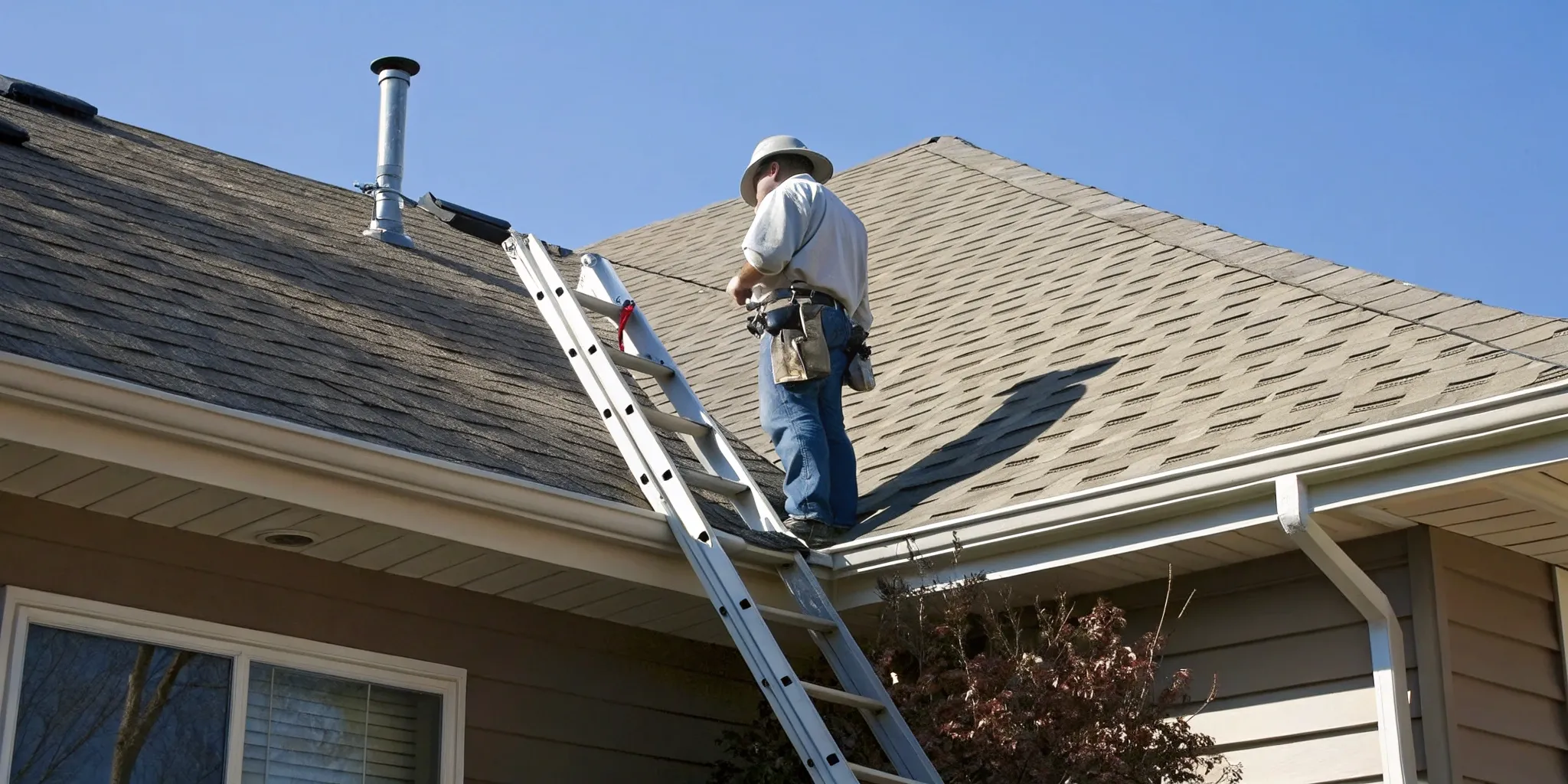
What a Roof Certification Actually Is
A roof certification is a dated record of a roof’s condition, issued by a trained inspector after a hands-on examination. It states what was found, what condition the roof was in on that date, and how long that condition is expected to hold under normal use.
The term gets used loosely in real estate. A contractor’s opinion on a quote is not a certification. A photo texted from a ladder is not a certification. A certification is a written instrument, tied to a named individual who is accountable for the assessment, covering a specific roof at a specific address.
In the NRCIA system that instrument is the LeakFREE® Roof Certification. It follows a LeakFREE® Check, is generated and registered through InspectionPLUS®, and is issued by the accredited member who performed the inspection. LeakFREE® is our federally registered trademark. Only NRCIA members can issue a LeakFREE® certification.
What a Roof Certification Is Not
This is where most confusion lives, and it is worth being blunt about.
A certification is not a promise that the roof will never leak. It is not insurance. It is not a service contract, and it does not replace a manufacturer’s material warranty or a contractor’s workmanship warranty. Weather, impact damage, later alterations and ordinary aging all sit outside what a dated condition record can speak to.
What it does provide is a documented, professional baseline. Buyers, sellers, agents, lenders, insurers and attorneys all benefit from a written account of the roof at a known point in time, produced by someone with training behind the assessment.
How It Differs From a Home Inspection
A general home inspection surveys the whole property, and the roof is one line item among dozens. Many home inspection standards permit observation from the ground, from a ladder at the eave, or through an attic hatch. Walking the surface is often discretionary.
A roof-specific inspection reverses the proportions. The whole appointment is the roof system, including what sits under and behind it.
The most common sentence in the roof section of a home inspection report is a recommendation for further evaluation by a qualified roofing professional. That deferral marks the boundary. A certification begins where the general inspection ends.
Inside the Inspection
A LeakFREE® Check covers five zones, and the sequence matters as much as the coverage.
- Interior. Ceilings, walls and top-floor rooms, looking for staining, delamination on drywall, and cracking or efflorescence on plaster.
- Attic. The underside of the sheathing, the framing, the insulation and the fasteners, checked for staining, active moisture, rust and daylight.
- Exterior. Siding, eaves, fascia and gutters, where water leaving the roof incorrectly leaves marks.
- Perimeter. Drainage, grade, overhanging vegetation and everything at the roof edge.
- Rooftop. Field material, laps, seams, penetrations, flashing, and the condition of the surface layer.
Water rarely enters where the stain appears. It travels along framing, follows fasteners, and surfaces rooms away from the defect. Think Like a Raindrop™ is the discipline behind the five zones: trace the path, not the symptom.
The member documents each zone with photographs and produces a LeakFREE® Roof Inspection Report. That report exists whether or not the roof qualifies for certification.
Who Can Issue One
There is no federal license for roof inspectors. Requirements vary by state, and in many states the person on your roof needs no roofing-specific credential at all. That gap is the reason accreditation matters.
NRCIA has set the standard since 1995 and trains and accredits the members who work to it. The RoofGUARD™ program produces the NRCIA Certified Roof Inspector designation, advancing to Senior at 500 inspections and Master at 1,000. ForensicGUARD™ is the flagship program for cause-and-origin and expert-witness work.
A LeakFREE® Roof Certification is issued by the accredited individual who performed the inspection, never by a business entity, and a certificate produced outside InspectionPLUS® is not valid. When someone hands you one, you can confirm the person behind it.
How Long a Roof Certification Lasts
The term is set by the findings, the slope, the materials and the condition of the roof. It is not negotiated, and it is never extended to help close a sale. The maximum term is ten years, and the expiration is printed on the certificate as a date.
A newer roof in sound condition with straightforward geometry supports a longer term than an aging roof with complex penetrations and marginal drainage. The inspector’s judgment, applied against published criteria, decides it.
Re-inspection is triggered when repair work is performed by anyone other than an NRCIA member. That rule exists because a certification speaks to a roof as it was documented, and unverified work changes the thing that was documented.
What Determines the Cost
NRCIA does not set member pricing. Members are independent professionals who price their own work for their own markets.
The factors that move the number are practical ones. Roof size and the number of separate roof planes. Slope, and whether the surface can be safely walked. Material type, since tile, metal and low-slope membrane each require different handling. Access to the attic and interior. Regional labor costs. The purpose of the inspection, since a forensic evaluation for a claim or a legal matter involves more documentation than a routine condition check.
Ask for the scope in writing before you book, and confirm you receive the written report regardless of the outcome.
If the Roof Does Not Qualify
A roof that falls short of the criteria is a common outcome, and it is a useful one. The report becomes a specific repair list: what is deficient, where it is, and what has to change.
Across 6,460 member inspections nationwide, more than 66 percent of roofs either qualified for a LeakFREE® Roof Certification or could be repaired to qualify. Most roofs are closer to certifiable than their owners expect.
Once the identified work is completed and verified, the roof can be reassessed. Having the work performed by an NRCIA member keeps the process straightforward.
Choosing an Inspector
Four questions separate a documented assessment from a sales call.
- What accreditation do you hold, and who issued it?
- Which zones does the inspection cover, and will you enter the attic?
- Will I receive a written, photo-documented report even if the roof does not pass?
- What determines the term you can issue, and what would shorten it?
Be wary of a price that undercuts the market, a refusal to put findings in writing, and pressure to commit to repairs on the spot. Assessment and sales should not arrive in the same breath.
Find an accredited NRCIA inspector near you and book a LeakFREE® Check
LeakFREE®, Forensic ROOF®, Mr. RoofCheck®, InspectionPLUS®, Today’s Inspection… Tomorrow’s Protection®, and Got Leaks?® are registered trademarks of Field Gate FLP, used by permission. RoofGUARD™, ForensicGUARD™, DisasterGUARD™, E3GUARD™, and Think Like a Raindrop™ are trademarks of Field Gate FLP.

