
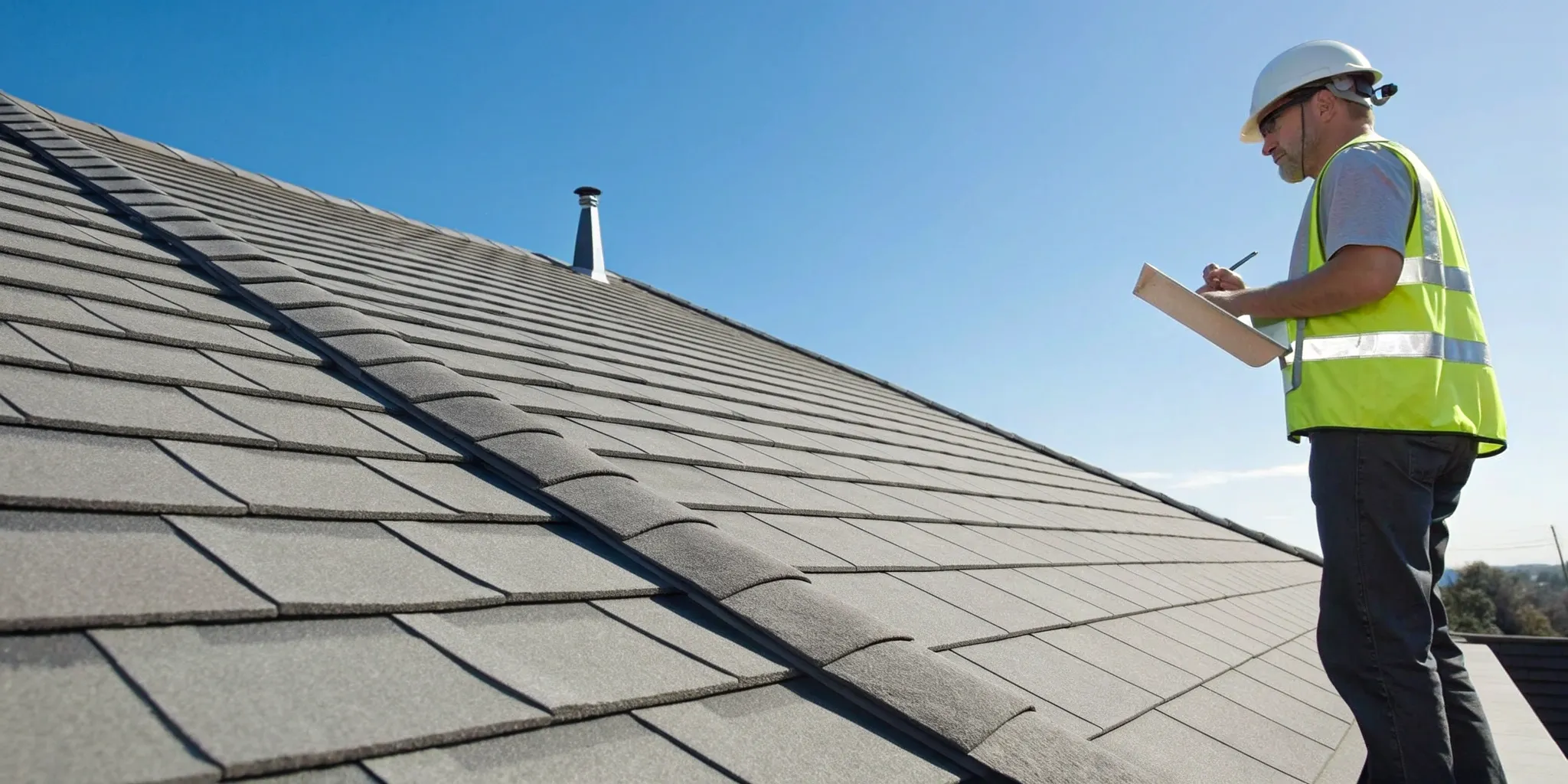
What people mean by a roof certification warranty
Two different documents get folded into one phrase. A roof certification is a written record of what a roof looked like on the day a qualified inspector examined it. A warranty is a contract that names who pays if something specific fails later. Different parties issue them, they cover different things, and they fail for different reasons.
So when someone asks what a roof certification warranty covers, the honest answer starts by pulling those two ideas apart. Once they are separated, the coverage questions get much easier to answer.
The documents that actually cover a roof
The manufacturer warranty covers materials
This comes from the company that made the shingles, tiles, membrane or panels. It covers defects in the product itself, such as shingles that crack or shed granules well before their rated service life. Terms commonly run 10 to 30 years, and some premium systems are rated longer. It does not cover the labor that put the product on the roof.
The workmanship warranty covers the installation
This comes from the roofing contractor. It covers mistakes made during installation: overdriven nails, inadequate shingle overlap, flashing that was never sealed correctly. Terms are usually shorter, and the coverage depends on that contractor still being in business the day you need it.
Homeowners insurance covers sudden events
Hail, wind, a falling tree. Storm damage belongs to your insurance policy. No manufacturer and no contractor is going to pay for a hurricane, and no roofing document is written to replace an insurance policy.
Where a LeakFREE® Roof Certification fits
A LeakFREE® Roof Certification is a record. It states that a specific roof, at a specific address, on a specific date, met the published LeakFREE® criteria after a LeakFREE® Check, the five-zone inspection covering the interior, attic, exterior, perimeter and rooftop. An accredited NRCIA member performs that inspection and issues the certification as an individual. Every certificate is generated and registered through InspectionPLUS®, and a certificate produced outside that platform is not valid.
The term is set by what the inspection found, along with the slope, the materials and the condition of the roof. It runs to a maximum of ten years, and the expiration is printed as a date. It is never stretched to help close a sale.
Now the part most articles skip. A LeakFREE® certification is not insurance, and it is not a service contract. It does not promise that a roof will never leak. It is documented evidence, gathered to one national standard, about a roof’s condition on a known date. That evidence is what lenders, buyers, agents and adjusters can actually use.
LeakFREE® is our federally registered trademark. Only NRCIA members can issue a LeakFREE® certification.
What a roof certification warranty does not cover
Exclusions are where owners get surprised. Across manufacturer and workmanship warranties, five categories come up again and again.
- Severe weather. Tornado, hurricane, large hail, wind uplift. These are insurance events.
- Neglect. Clogged gutters, debris left to sit, drains that were never cleared. If moisture was trapped against the roof for months, a denied claim is a realistic outcome.
- Unapproved repairs and additions. A handyman patch, a satellite mount, a skylight cut in without following the manufacturer’s instructions.
- Normal aging. Gradual granule loss and sun fade are the material doing what it was rated to do.
- Pre-existing conditions. Anything already wrong before the coverage started.
How owners lose coverage without realizing it
Most voided coverage traces back to a small decision made quickly. Someone hires the cheapest ladder for a leak the week before listing. Someone lets a solar crew mount rails without checking who is allowed to penetrate the deck. Someone pressure washes a shingle roof.
Under the LeakFREE® system the rule is written down. When repairs are performed by anyone other than an NRCIA member, a re-inspection is required before the certification continues to stand. That keeps the record honest for whoever reads it next, including a buyer’s agent and an insurance adjuster.
Questions worth asking before you rely on any of it
- Who issued this document, and are they still reachable?
- What exactly does it cover: the material, the labor, or the condition of the roof on a date?
- When does it expire, stated as a date rather than a range?
- What maintenance does it require of me, in writing?
- Who is allowed to touch the roof without ending the coverage?
An accredited inspector will answer all five without hedging. If the answers are vague, the document is worth less than it looks.
Find an accredited NRCIA inspector near you. Search the NRCIA member directory and ask what a LeakFREE® Roof Certification would say about your roof.
LeakFREE®, Forensic ROOF®, Mr. RoofCheck®, InspectionPLUS®, Today’s Inspection… Tomorrow’s Protection®, and Got Leaks?® are registered trademarks of Field Gate FLP, used by permission. RoofGUARD™, ForensicGUARD™, DisasterGUARD™, E3GUARD™, and Think Like a Raindrop™ are trademarks of Field Gate FLP.

