
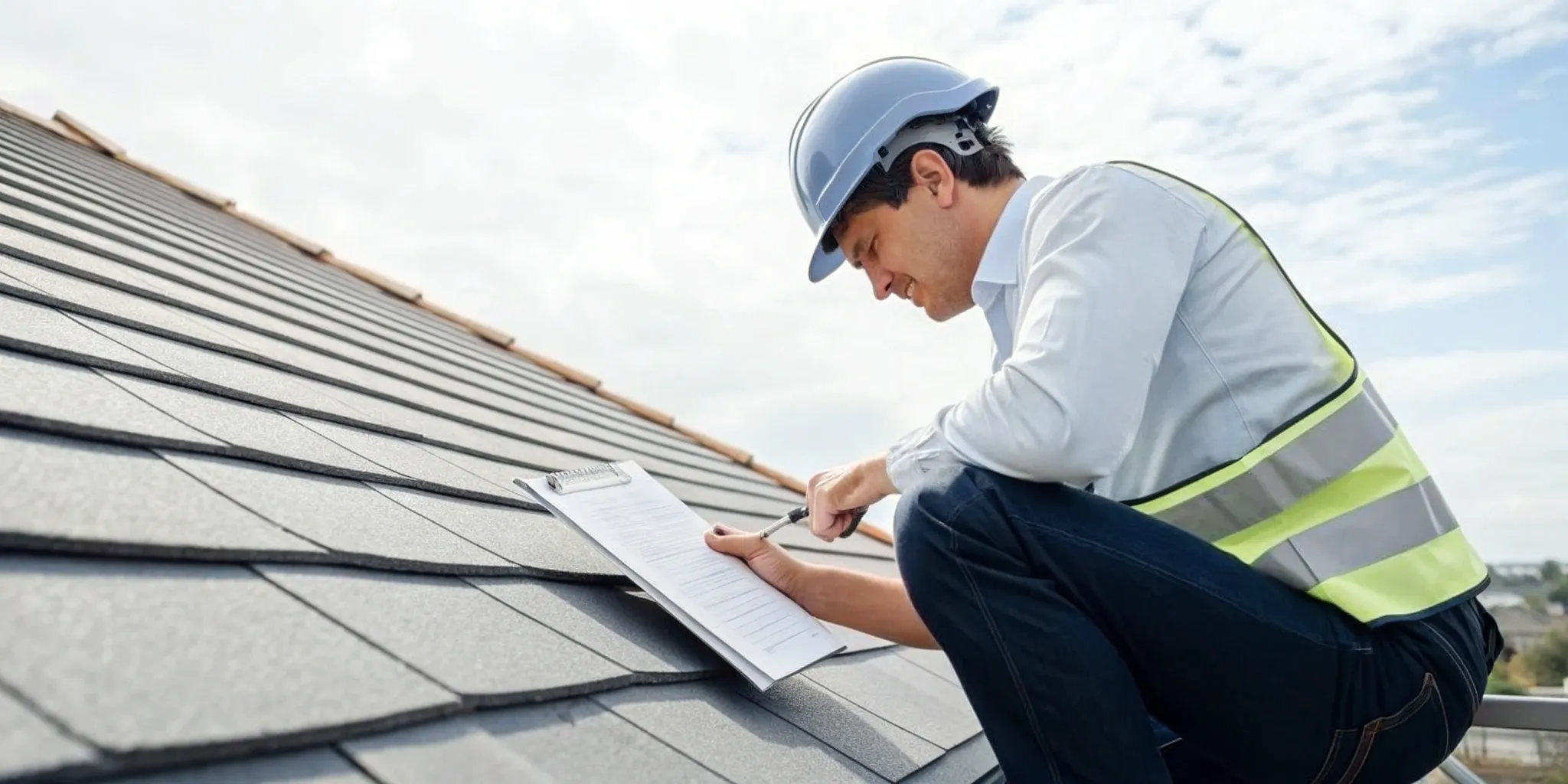
What a transferable roof certification is
A transferable roof certification is a written record of a roof’s condition that keeps its meaning after the property changes hands. It describes a specific roof at a specific address on a specific date, which is why it still tells a buyer something useful months later. That is the whole value of it during a sale: the roof stops being the unknown line item in the negotiation.
It is a record, not a contract. It is not insurance, and it does not promise that a roof will never leak. What it does is replace speculation with documented findings from a trained inspector who has no repair job riding on the answer.
How to get one, step by step
1. Hire an accredited inspector
There is no federal license for roof inspectors, so the credential you check is the accreditation and the standard behind it. NRCIA trains and accredits members and maintains the member directory. An accredited member performs the inspection and issues the certification as an individual.
2. Book the inspection
NRCIA members work to a five-zone method called a LeakFREE® Check: interior, attic, exterior, perimeter and rooftop. Expect a few hours on a typical single-family home, longer on a cut-up or multi-level roof. Clear access to the roof and the attic hatch before the appointment.
3. Complete any required repairs
If the roof does not meet the criteria, the report says exactly what stands in the way. Repairs get completed, the inspector verifies the work, and the roof is re-evaluated. Across 6,460 member inspections nationwide, more than 66 percent of roofs either qualified for a certification or could be repaired to qualify.
4. The certification is issued and registered
Every LeakFREE® Roof Certification is generated and registered through InspectionPLUS®. A certificate produced outside that platform is not valid. The term reflects the findings, the slope, the materials and the condition, up to a maximum of ten years, and the expiration appears as a printed date rather than a vague window.
LeakFREE® is our federally registered trademark. Only NRCIA members can issue a LeakFREE® certification.
What the inspector looks at
- Structure. Sagging or uneven planes that point to trouble in the decking or rafters.
- Covering. Cracked, curled, slipped or missing units, granule loss, rust, split seams.
- Flashing and penetrations. Chimneys, skylights, vents, pipe boots, wall junctions. Most leaks start here.
- Drainage. Gutters, downspouts and the path water takes away from the foundation.
- Attic and ventilation. Staining on the underside of the deck, damp insulation, mold, blocked vents.
What it costs
Members set their own pricing based on their market, so ask for a quote on your address rather than a national figure. The variables are the ones you would expect: roof size and complexity, slope and access, material, region, and whether repairs are needed before the roof meets the criteria. A cut-up two-story roof with tile and three chimneys takes longer to assess than a simple shingle roof on a ranch, and the quote reflects that.
Ask what the fee includes before you book. Some quotes cover the inspection and the certification document together. Others price the re-visit to verify repairs separately. Get the answer in writing so nothing surprises you during escrow.
Keeping it valid through closing
One rule does more work than any other during a sale. When repairs are performed by anyone other than an NRCIA member, a re-inspection is required before the certification stands. A quick patch by an unaccredited handyman two weeks before closing can undo the document you paid for.
Keep the file together: the certification, the inspection report, the installation invoice, and receipts for any work performed since. Hand the whole file to the buyer, and confirm the current handover procedure with the member who issued the certification.
If the roof does not qualify right away
That outcome is common, and it is better news than it sounds. You now have a written, prioritized list of what a buyer’s inspector would have found anyway, with time to address it on your schedule instead of during escrow. A repair you choose is almost always cheaper than a credit you concede at the closing table.
Find an accredited NRCIA inspector near you. Search the NRCIA member directory and start before you list.
LeakFREE®, Forensic ROOF®, Mr. RoofCheck®, InspectionPLUS®, Today’s Inspection… Tomorrow’s Protection®, and Got Leaks?® are registered trademarks of Field Gate FLP, used by permission. RoofGUARD™, ForensicGUARD™, DisasterGUARD™, E3GUARD™, and Think Like a Raindrop™ are trademarks of Field Gate FLP.

