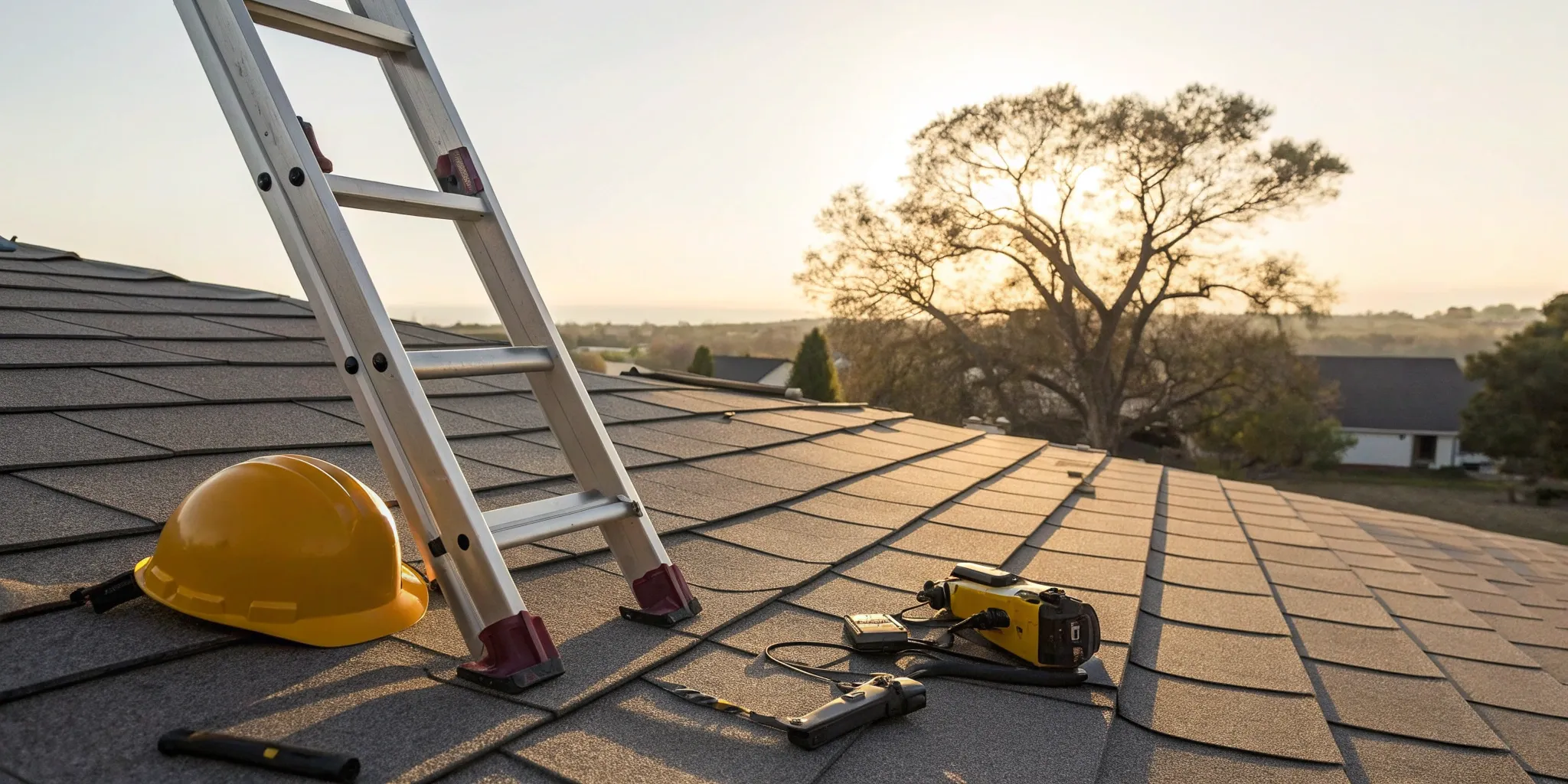
Why a roof warranty needs a certified roof inspector
Most roof warranties are conditional documents. Read yours and you will find maintenance obligations, exclusions, and language about who may work on the roof. A denied claim years later usually turns on one question: can you show the roof was maintained and inspected the way the agreement required? A certified roof inspector produces the record that answers it.
That record is the point. Photographs, dated findings by area, condition notes and a professional read on remaining service life. Without it you are arguing from memory against a company with a file.
What your warranty actually requires
Pull the document out and read three sections before you do anything else.
- Maintenance obligations. Many manufacturer warranties expect periodic inspection and documented upkeep. Some name a frequency.
- Who may touch the roof. Repairs by an unapproved party can void coverage on the affected area, sometimes on the whole system.
- What is excluded. Wind above a stated speed, hail, foot traffic, ponding and improper installation are common carve-outs.
Manufacturer coverage generally applies to material defects. Workmanship is a separate promise from whoever installed the roof. Two documents, two parties, two sets of conditions. Knowing which one you are relying on changes who you call when water shows up.
What a certified roof inspector is
A certified roof inspector has completed training that was tested against a published standard. The credential tells you the person was measured against criteria that exist in writing, which anyone can go read for themselves. Plenty of people who climb ladders for a living have never been measured against anything.
Worth knowing: there is no federal license for roof inspectors. Licensing is a state and sometimes city matter, and it covers permission to work rather than depth of training. Certification and licensing answer different questions, and a careful property owner checks both.
NRCIA has set the standard for roof inspection and certification since 1995. NRCIA does not inspect roofs, write reports or certify properties. Accredited members do all three.
Where to find one
Start with a directory that vets people before they are listed. The NRCIA member directory lets you search accredited inspectors by area, which spares you the work of verifying strangers from a search results page.
Referrals are the other reliable route. Real estate agents, property managers and neighbors who have been through a claim tend to know who is thorough. Take the name, then check it against the directory to confirm the accreditation is current.
What to verify before you hire
- The credential, by name. Ask which organization issued it and what the training involved. Vagueness here is your answer.
- General liability insurance and workers compensation. Ask for certificates. Do not skip this one.
- Relevant experience. Roofs like yours, in your climate, with your materials.
- A sample report. Any inspector who will not show you an example of their own work product is telling you something.
- Independence. An inspector whose revenue depends on selling you a roof is not a neutral reader of that roof.
What happens during the inspection
An NRCIA member performs a LeakFREE® Check across five zones, and the sequence is fixed so nothing gets skipped:
- Interior. Ceilings and walls, stains and history of water that already got in.
- Attic. Underside of the deck, insulation, ventilation, daylight where there should be none.
- Exterior. Field material, wear, granule loss, cracking, lifted or missing pieces.
- Perimeter. Edges, gutters, downspouts and drainage away from the structure.
- Rooftop. Flashings, penetrations, seams, transitions and every point where two surfaces meet.
Findings go into a LeakFREE® Roof Inspection Report. Where the roof meets the published criteria, the accredited individual who performed the inspection issues a LeakFREE® Roof Certification, generated and registered through InspectionPLUS®. A certificate produced outside that platform is not valid. LeakFREE® is our federally registered trademark. Only NRCIA members can issue a LeakFREE® certification.
How a certification differs from a warranty
These get conflated constantly, and the difference matters when something goes wrong.
A manufacturer warranty is a contract with the company that made your roofing materials, covering defects in those materials under stated conditions. A LeakFREE® Roof Certification is a dated record that a specific roof, at a specific address, on a specific date, met the published LeakFREE® criteria. It is issued by the accredited individual who performed the inspection, never by a business entity. It is not insurance and it is not a service contract, and no honest inspector will tell you it promises the roof will never leak.
The term is set by the findings, the slope, the materials and the condition, running to a maximum of ten years. The expiration is printed as a date. It is never extended to help someone close a sale.
One trigger belongs in your file. If repairs are performed on the roof by anyone other than an NRCIA member, the roof needs to be re-inspected. Work done outside the standard cannot be assumed to meet it.
Most roofs get there. Across 6,460 member inspections nationwide, more than 66 percent of roofs either qualified for a LeakFREE® certification or could be repaired to qualify.
How often to schedule
Twice a year is the strong habit: once in spring to read what winter did, once in autumn to close gaps before weather arrives. At minimum, go annual once the roof passes ten years. Then add an inspection after any event with high wind, hail or sustained heavy rain, whether or not you can see damage from the ground.
Keep every report. A file of dated inspections is the difference between a claim you can support and a claim you can merely describe.
Red flags
- No proof of certification, or irritation at being asked for it.
- A promise that your roof will pass, offered before anyone has seen it.
- A quote far below everyone else, which usually buys a faster look.
- A one-page checklist instead of a documented report with photographs.
- Full payment demanded before the report exists.
Find an accredited NRCIA inspector near you in the member directory.
LeakFREE®, Forensic ROOF®, Mr. RoofCheck®, InspectionPLUS®, Today’s Inspection… Tomorrow’s Protection®, and Got Leaks?® are registered trademarks of Field Gate FLP, used by permission. RoofGUARD™, ForensicGUARD™, DisasterGUARD™, E3GUARD™, and Think Like a Raindrop™ are trademarks of Field Gate FLP.