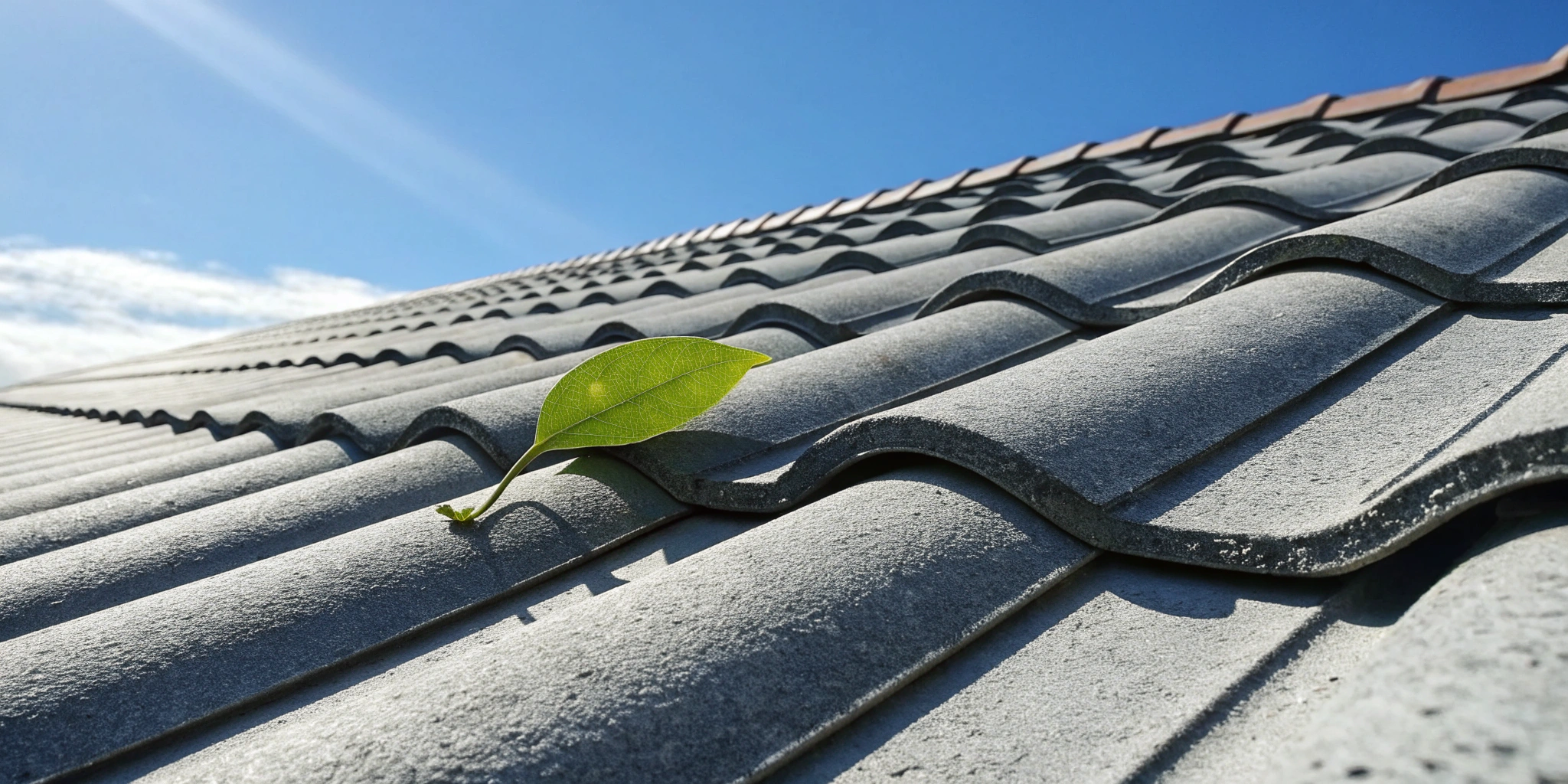
What a roof certification is, and what it is not
A roof certification is a dated record. It states that a specific roof, at a specific address, on a specific date, met a published set of criteria after inspection. It carries an expiration date, and that date is printed on the document.
Read the second half of that carefully. A certification describes a condition that was verified on a day that has already happened. It is not insurance, it is not a service contract, and it is not a promise that water will never get in. Weather, impact, foot traffic, failed sealant and work performed by others all change a roof after the inspector leaves.
How long does a roof certification last?
There is no single answer, because the term is a finding rather than a product feature. For a LeakFREE® Roof Certification, the term is set by what the inspection found, the slope of the roof, the materials, and the condition of the system. The maximum is ten years. The expiration is written as a calendar date so nobody has to compute it later.
One rule matters more than the number. The term is never extended to win a sale. If a roof supports a two-year term, it gets a two-year term, whether or not a closing depends on a longer one. A term stretched to satisfy a transaction is worthless in exactly the situation it was bought for.
What sets the term on a roof certification
- Age against expected service life. A roof in the middle of its service life supports a longer term than one near the end of it.
- Material. Asphalt shingle, wood shake, metal, tile and single-ply membranes age at different rates and fail in different ways.
- Slope. Low-slope assemblies hold water longer and depend more heavily on flashing and terminations.
- Number of layers. Layered roofs hide evidence and complicate repair.
- Condition of the details. Penetrations, valleys, transitions and terminations tell an inspector more than the field of the roof does.
- Repair history. Documented, competent repairs support a longer term. Undocumented patchwork does not.
- Climate exposure. Hail frequency, wind, snow load, and heat cycling shorten what a roof can be expected to do without attention.
What can end a certification before the printed date
A certification is tied to the roof as it was inspected. Change the roof and the record no longer describes it. Re-inspection is triggered when repairs are performed by anyone other than an NRCIA member, because the person who signed the certificate has no record of what was opened, sealed or replaced.
Severe weather is a separate matter. Hail, hurricane and tornado damage are handled through a property insurance claim, not through a certification. If a storm hits, document the date, photograph what you can safely reach, and get the roof examined before you file.
Certification and inspection are two different deliverables
Every certification starts with an inspection. Not every inspection ends in a certification.
NRCIA members trained through the RoofGUARD™ program perform the LeakFREE® Check, a five-zone examination covering interior, attic, exterior, perimeter and rooftop. The deliverable is a LeakFREE® Roof Inspection Report, which records condition, findings and photographs. If the roof meets the published criteria, or is repaired so that it does, the member can then issue a LeakFREE® Roof Certification. If it does not, you still hold a written record of what is wrong and what it would take to fix it.
Across 6,460 member inspections nationwide, more than 66 percent of roofs either qualified for a certification or could be repaired to qualify. Most roofs that fail on the initial pass need a repair list rather than a replacement quote.
Who can issue a valid certification
There is no federal license for roof inspectors. That is worth sitting with, because it means the word “certified” on a business card carries whatever meaning the printer gave it.
A LeakFREE® Roof Certification is issued by the accredited individual who performed the inspection, never by a business entity, and it is generated and registered through InspectionPLUS®. A certificate produced outside that system is not valid. LeakFREE® is our federally registered trademark. Only NRCIA members can issue a LeakFREE® certification.
NRCIA has set the standard for roof inspection and certification since 1995. We do not inspect roofs and we do not issue certificates. We publish the criteria, train and accredit the members who do the work, and maintain the directory where you can find them.
Certifications in a sale or a loan file
Some lenders and insurers ask for documentation of roof condition before closing or before binding a policy. What each institution will accept varies, so confirm the requirement in writing with the specific lender or carrier rather than assuming a certificate satisfies it.
For a seller, a current certification answers the roof question early, before it becomes a price negotiation two days before closing. For a buyer, it establishes what the roof was in the month you bought it, which is the record you will want if a dispute arrives later.
Renewing before the date passes
Schedule the re-inspection ahead of the printed expiration rather than after it. A roof examined on a normal schedule is usually a maintenance conversation. A roof examined a year after the certificate lapsed, with an active leak, is a different conversation with a larger number attached.
Find an accredited NRCIA inspector near you in the member directory and get the term your roof actually supports.
LeakFREE®, Forensic ROOF®, Mr. RoofCheck®, InspectionPLUS®, Today’s Inspection… Tomorrow’s Protection®, and Got Leaks?® are registered trademarks of Field Gate FLP, used by permission. RoofGUARD™, ForensicGUARD™, DisasterGUARD™, E3GUARD™, and Think Like a Raindrop™ are trademarks of Field Gate FLP.