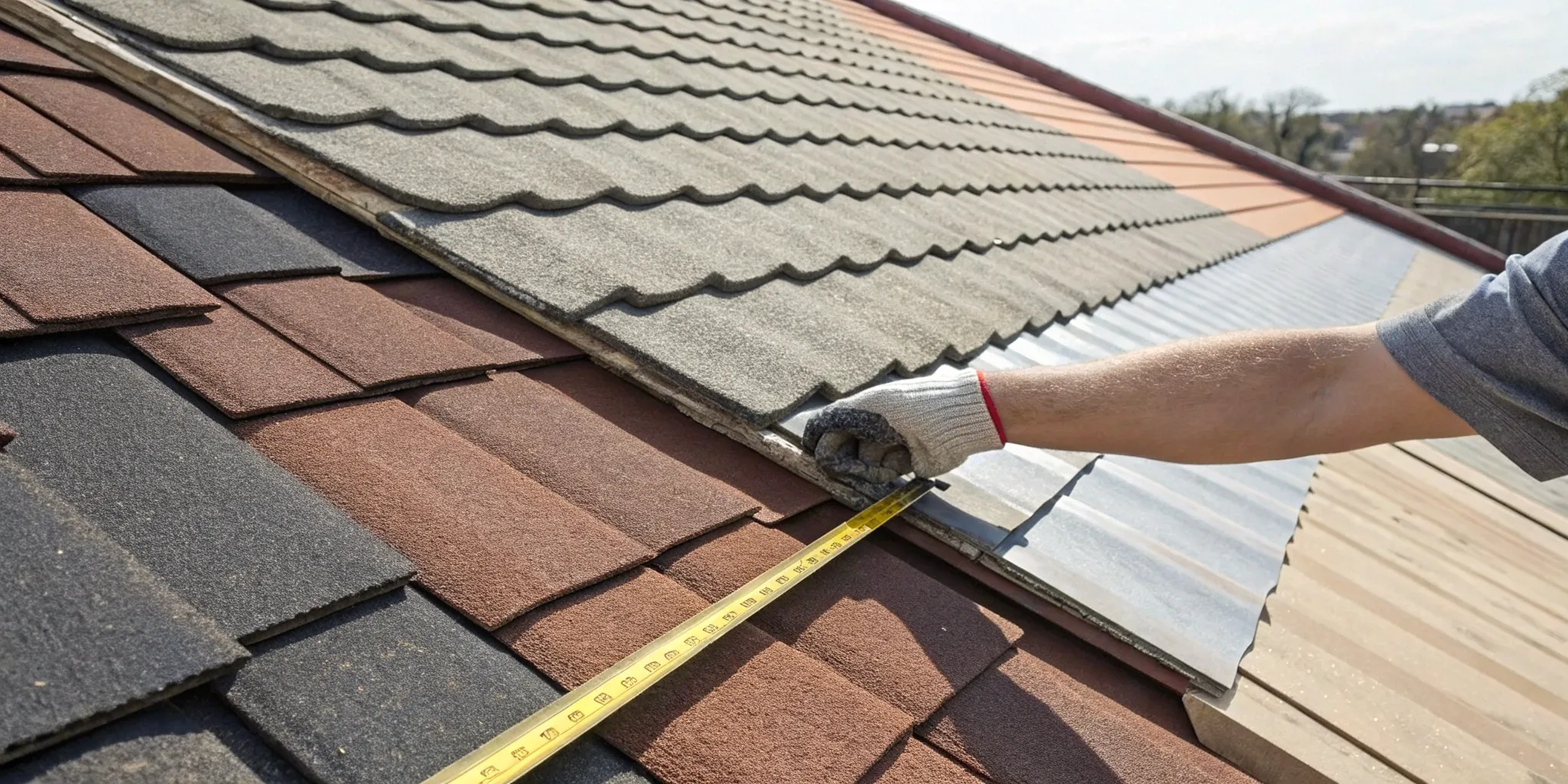
Why roof inspection cost is rarely a per-square-foot number
Search for roof inspection cost per square foot and you will find tidy per-foot figures. Most of them are reverse-engineered from a flat fee after the fact. Roof inspections are quoted per job, because the work is driven by how many places water can get in, not by how much surface there is.
A 3,000 square foot roof with a single plane and one vent stack is a shorter job than a 1,800 square foot roof with two dormers, a chimney, three skylights and a valley that ties into a lower run. Square footage is one input. It is not the meter.
One thing to know up front: NRCIA sets the standard for roof inspection and certification and does not set member prices. Members quote their own work. What follows is how to read a quote and tell whether it is fair.
What actually drives the price
Size and complexity
More facets means more transitions, and transitions are where roofs fail. Dormers, valleys, crickets, skylights, chimneys, parapets and equipment curbs each add inspection time and each add a place to document. A large simple roof can be cheaper to inspect than a small complicated one.
Slope and access
A single-story low-slope roof is a ladder and a walk. A three-story steep tile roof is fall protection, staging, and a slower pace. Overhanging trees, tight side yards, locked gates and fences all add setup time. If your attic hatch sits behind stored boxes, that is time too.
Materials and age
Composition shingle, tile, metal, wood shake and low-slope membrane each fail differently and each need a different eye. Older roofs take longer, because the inspector is documenting cumulative wear and past repairs rather than confirming a young system is intact.
Where you are
Regional labor rates, insurance costs and demand move the number. After a major storm, demand for inspectors spikes in the affected counties and scheduling gets tight. Metro pricing and rural pricing differ for the same reasons every other trade differs.
Purpose and term
An inspection ordered for a maintenance check is a different scope from one ordered for a sale, an insurance renewal or a certification. Certification work carries a longer documentation burden, because the record has to stand up years later.
Method
A physical walk is the baseline. Drone imagery is used where the roof is unsafe or impractical to walk. Infrared scanning finds trapped moisture that no visual method will show, and it costs more because the equipment and the training cost more. Some jobs use two of the three.
Free estimates and paid inspections are different products
A free roof estimate is usually offered by a company that sells roofs. That is a legitimate business, and the visit is a sales call. The output is a proposal.
A paid inspection buys you an assessment from someone whose product is the assessment. The output is a report you keep, with photographs, condition notes by area, and a read on remaining service life. If you are heading into a sale, an insurance renewal or a dispute, that difference matters a great deal.
Add-ons that show up on the invoice
- Travel or mileage outside the inspector’s normal service area.
- Difficult access requiring extra equipment or a second person.
- Rush or emergency scheduling, particularly in the weeks after a storm.
- Expanded reporting where a lender, carrier or attorney needs a specific format.
- Re-inspection after repairs, which is often priced separately.
Ask about every one of these before you book, and ask for the fee in writing.
How to keep the number down
You cannot change your roof’s pitch. You can make the job faster.
- Trim branches over the roof and clear the perimeter of furniture and debris.
- Unlock gates, secure pets, and clear a path to the attic hatch.
- Have your paperwork ready: installation date, permits, past repair invoices, manufacturer warranty documents.
- Book in the off-season. Autumn and late winter are usually quieter than spring and post-storm.
- Get three quotes, and compare what is in the report rather than the fee alone.
How often to schedule one
Annually is the sensible default for most roofs. A newer roof in a mild climate can stretch to every two years. Once a roof passes ten, go annual and stay there. Then add an inspection after any event with high wind, hail or sustained heavy rain, even when nothing looks wrong from the driveway. Lifted shingles and cracked seals are invisible from ground level, and documentation taken soon after a storm is worth a great deal if you end up filing a claim.
Who should be on the roof
Ask for proof of general liability insurance and workers compensation before anyone climbs. Check what your state requires, because there is no federal license for roof inspectors and the rules change at the state and city line.
NRCIA does not inspect roofs. Accredited members do, working a LeakFREE® Check across five zones: interior, attic, exterior, perimeter and rooftop. Findings go into a LeakFREE® Roof Inspection Report. Where a roof meets the published criteria, the member who performed the inspection can issue a LeakFREE® Roof Certification through InspectionPLUS®. LeakFREE® is our federally registered trademark. Only NRCIA members can issue a LeakFREE® certification.
Two warning signs are worth naming. Be careful with an unsolicited free inspection that arrives after a storm, and be careful with anyone who wants payment in full before the report exists.
Find an accredited NRCIA inspector near you in the member directory.
LeakFREE®, Forensic ROOF®, Mr. RoofCheck®, InspectionPLUS®, Today’s Inspection… Tomorrow’s Protection®, and Got Leaks?® are registered trademarks of Field Gate FLP, used by permission. RoofGUARD™, ForensicGUARD™, DisasterGUARD™, E3GUARD™, and Think Like a Raindrop™ are trademarks of Field Gate FLP.