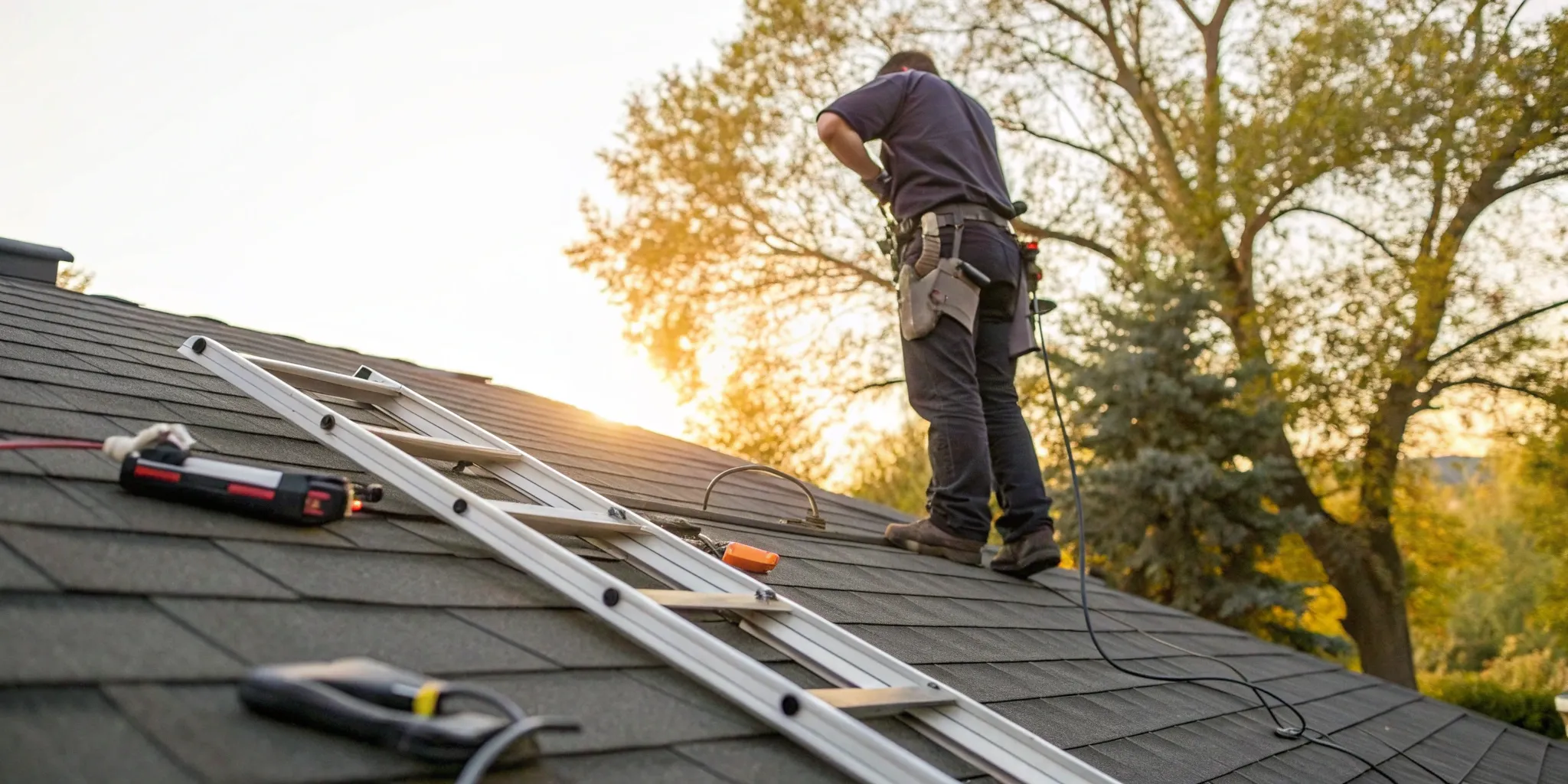
What a roof inspection cost actually buys
A roof inspection cost is a fee for judgment, not for a walk on a roof. You are paying a trained person to tell you what is failing, what is aging normally, and what will still be sound in three years. That answer changes how you negotiate a sale, how you plan a budget, and whether you file an insurance claim at all.
Quotes vary widely for the same address, and the spread is rarely random. Six things drive it.
Six factors that move the price
Size and complexity
Square footage matters less than shape. Dormers, valleys, multiple levels, skylights and chimneys each add a junction, and junctions are where water gets in. A cut-up roof takes longer to inspect properly than a larger simple one.
Roofing material
Asphalt shingle is the most common assembly and the most straightforward to assess. Slate, clay tile, wood shake and standing seam metal need specific knowledge, and some of them break underfoot when handled by someone who has not worked on them.
Slope and access
A single story with a walkable pitch is one job. Three stories with a steep pitch is another, with fall protection, anchors and more time. Overgrown trees, locked gates and blocked attic hatches add time too.
Region
Labor rates track the local cost of doing business. Markets that see repeat hail or hurricane activity also see heavier demand on experienced inspectors.
Credentials
There is no federal license for roof inspectors. None. That single fact explains most of the price spread in this trade, because anyone can print a business card and call the work an inspection. Accreditation, documented training and a standardized process are what separate a report you can hand to an adjuster from a sales visit with a clipboard.
Timing
Spring, fall and the weeks after a named storm are the busy season. Scheduling outside those windows usually means more availability.
What a complete inspection covers
Scope is the real variable behind any roof inspection cost. A surface-level look at the field of shingles is a different product from a full assessment of the system.
NRCIA members work to a five-zone method called a LeakFREE® Check: the interior, the attic, the exterior, the perimeter and the rooftop. The attic matters because water shows up on the underside of the deck long before it stains a ceiling. The perimeter matters because gutters, fascia and drainage decide where water goes once it leaves the roof.
The deliverable is a LeakFREE® Roof Inspection Report, with photographs, findings and prioritized recommendations you can act on or attach to a claim.
Inspection, then certification
An inspection tells you the condition. A LeakFREE® Roof Certification is the separate document issued after a roof meets the published criteria, generated and registered through InspectionPLUS® by the accredited member who performed the work. Its term reflects the findings, the slope, the materials and the condition, up to a maximum of ten years, with the expiration printed as a date.
It records condition on a date. It is not insurance, and it does not promise a roof will never leak. LeakFREE® is our federally registered trademark, and only NRCIA members can issue a LeakFREE® certification.
Across 6,460 member inspections nationwide, more than 66 percent of roofs either qualified for a certification or could be repaired to qualify. Most roofs are in better shape than their owners fear.
Why the cheapest quote often costs the most
A low fee usually buys a short visit. Short visits miss flashing that has pulled away behind a chimney cricket, or a soft spot in the decking that a foot would have found. The missed item does not stay small. It becomes stained drywall, then wet insulation, then a framing repair.
Price the inspection against what it prevents you from guessing at.
How to compare quotes without guessing
- Ask for a sample report before you book. The sample tells you more than the price does.
- Confirm the attic and interior are included, not the roof surface alone.
- Ask what accreditation the inspector holds and who verifies it.
- Confirm general liability and errors and omissions coverage.
- Ask whether the inspector sells repairs. If the answer is yes, weigh the findings accordingly.
Find an accredited NRCIA inspector near you. Search the NRCIA member directory and request a quote for your address.
LeakFREE®, Forensic ROOF®, Mr. RoofCheck®, InspectionPLUS®, Today’s Inspection… Tomorrow’s Protection®, and Got Leaks?® are registered trademarks of Field Gate FLP, used by permission. RoofGUARD™, ForensicGUARD™, DisasterGUARD™, E3GUARD™, and Think Like a Raindrop™ are trademarks of Field Gate FLP.