
Roof certification vs warranty: the difference in one paragraph
A roof certification is a dated professional statement about the condition of a roof on the day it was inspected. A roof warranty is a contract in which a manufacturer or a contractor agrees to cover defined failures for a defined period. One describes what is. The other commits to act if something breaks. Confusing them is where homeowners get hurt, usually at the worst possible moment, because they assumed a document would pay for a repair it was never written to cover.
What a roof certification is
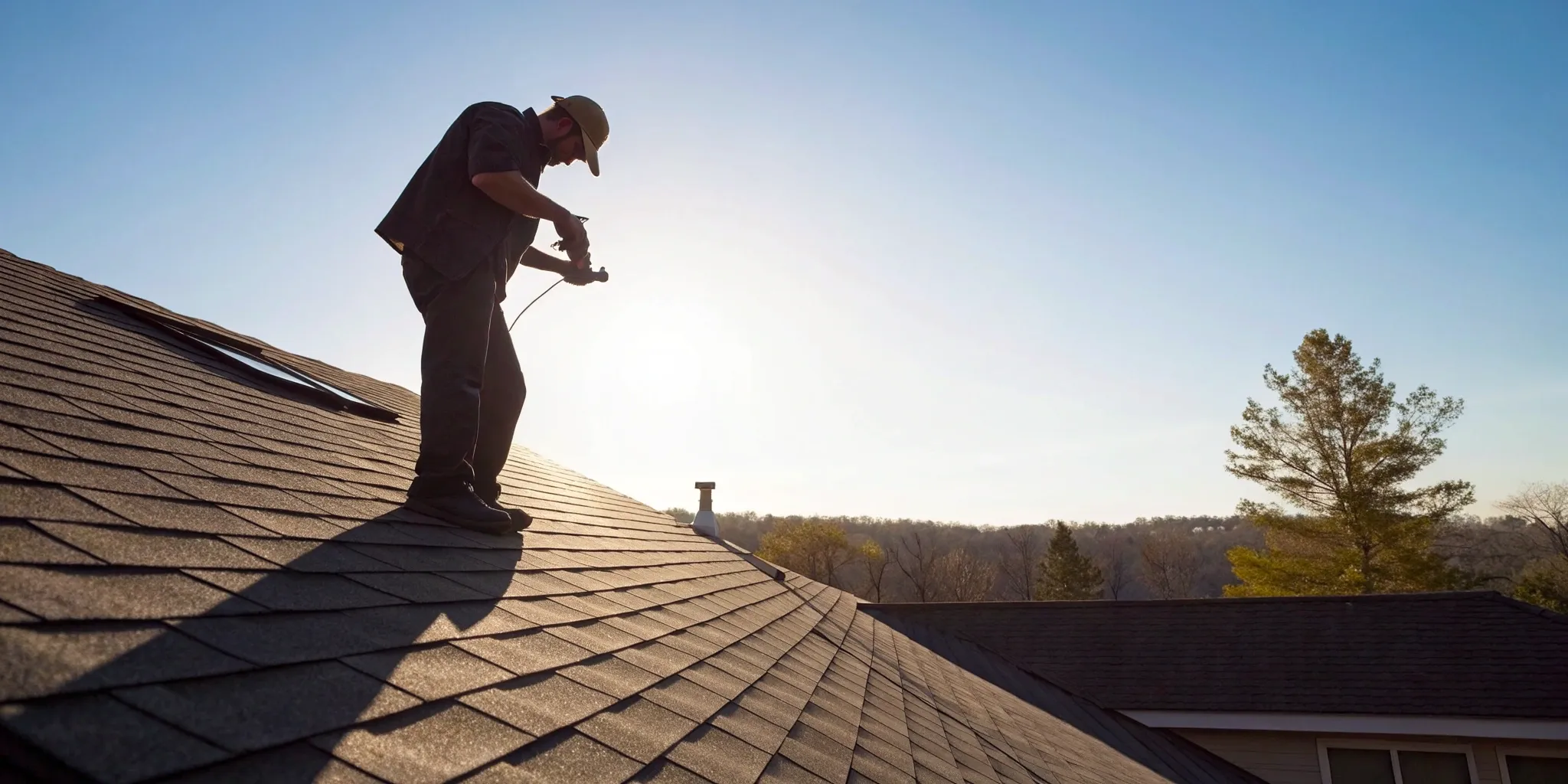
A qualified inspector examines the roofing system, documents what is there, and issues a written statement of condition measured against a published set of criteria. If the roof does not meet those criteria, the inspector issues findings instead. Repairs are made, the roof is re-inspected, and the certification follows if it then qualifies.
A certification says nothing about tomorrow’s hailstorm. It records a condition on a date, which is exactly what a buyer, a seller, a lender or a carrier needs when everyone at the table has a different opinion about the same roof.
What the inspection covers
An NRCIA member performs a LeakFREE® Check, which examines five zones: interior, attic, exterior, perimeter and rooftop. The deliverable is a LeakFREE® Roof Inspection Report. Working through defined zones is what makes one inspector’s findings comparable to another’s, and comparability is the whole point of a standard.
Common reasons a roof does not qualify
- Missing, cracked, curling or displaced roofing material
- Flashing that is damaged, corroded or installed incorrectly at chimneys, walls and penetrations
- Active moisture, staining or daylight visible in the attic
- Prior repairs done outside accepted practice
- Drainage that ponds, backs up or discharges against the structure
- Granule loss and surface wear consistent with the end of service life
Across 6,460 member inspections nationwide, more than 66 percent of roofs either qualified for a LeakFREE® certification or could be repaired to qualify. A finding is usually a work order, not a verdict.
What a roof warranty is
Warranties on a roof normally come in two forms, from two different parties.
A manufacturer’s material warranty responds to defects in the product: shingles that fail prematurely because of how they were made. Terms run long, often 25 years or more, and coverage commonly prorates as the roof ages. Underlayment, flashing and ventilation accessories are frequently written under separate terms.
A workmanship warranty comes from the installing contractor and responds to installation error. Terms are shorter, and the coverage depends on that contractor still being in business when you call.
Both carry conditions. Storm damage, impact, foot traffic, unapproved alterations and deferred maintenance are common exclusions. Several manufacturers extend their longest terms when their own approved contractors do the installation, and combining components across brands can narrow coverage. The exclusions section is the part worth reading twice.
Roof certification vs warranty in practice
Put the two side by side and the roles separate cleanly.
| Roof certification | Roof warranty | |
|---|---|---|
| What it is | A dated statement of condition | A contract to cover defined failures |
| Who issues it | The inspector who performed the inspection | A manufacturer or the installing contractor |
| Looks at | The roof as it is now | Failures that may occur later |
| Typical use | Sale, refinance, insurance file, planning | Recovering repair or replacement cost |
| Ends when | Its printed expiration date arrives | Its term runs out or a condition voids it |
They are not competitors. A new roof can carry material coverage, workmanship coverage and a current certification at the same time, each doing a different job.
How long a certification lasts
Terms vary by provider, and a short term is not a criticism of the roof. It reflects how much service life the inspector can document.
For a LeakFREE® Roof Certification, the term is set by the findings, the slope, the materials and the condition of the roof, up to a maximum of ten years. The expiration is printed as a date. It is never extended to help close a sale, which is what makes the date worth something to the person reading it.
Conditions change, and so does the certification’s accuracy. Storm damage, unapproved alterations such as a satellite mount through the field of the roof, and neglected drainage all alter the roof that was inspected. Re-inspection is triggered when repairs are performed by anyone other than an NRCIA member.
What a LeakFREE® Roof Certification is, and what it is not
A LeakFREE® Roof Certification records that a specific roof, at a specific address, on a specific date, met the published LeakFREE® criteria. The accredited individual who performed the inspection issues it, never a business entity, and the certificate is generated and registered through InspectionPLUS®. A certificate produced outside InspectionPLUS® is not valid.
It is a record of condition against a standard. It is not a warranty, not insurance and not a service contract, and it makes no promise about how the roof will perform after the inspection date. Anyone describing it as coverage against future leaks is describing something else.
LeakFREE® is our federally registered trademark. Only NRCIA members can issue a LeakFREE® certification.
Which one you need
- Selling or buying. A current certification answers the roof question before the inspection contingency turns it into a negotiation.
- Renewing or placing insurance. A dated condition record supports underwriting and gives you a baseline if you later file a storm claim.
- Just installed a roof. Keep both warranty documents, register them, and note the maintenance the terms require.
- Holding a roof past year ten. Schedule inspections on a routine and plan the replacement year before weather picks the date for you.
Find an accredited NRCIA inspector near you. Search the NRCIA member directory.
LeakFREE®, Forensic ROOF®, Mr. RoofCheck®, InspectionPLUS®, Today’s Inspection… Tomorrow’s Protection®, and Got Leaks?® are registered trademarks of Field Gate FLP, used by permission. RoofGUARD™, ForensicGUARD™, DisasterGUARD™, E3GUARD™, and Think Like a Raindrop™ are trademarks of Field Gate FLP.

