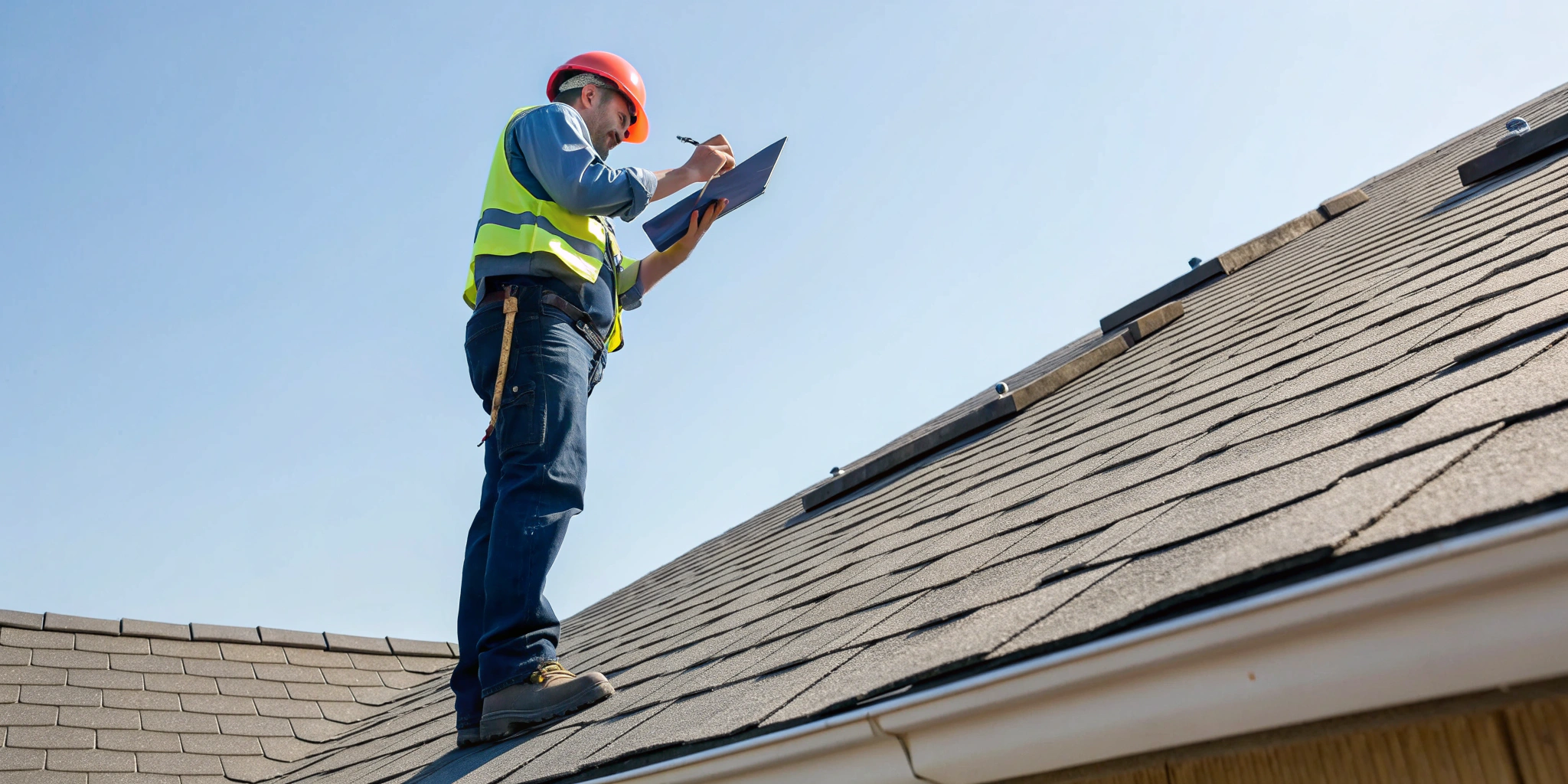
What a roof certification for selling actually is
A roof certification for selling is a dated record that a specific roof, at a specific address, met published condition criteria on the day it was inspected. It is issued by the accredited individual who performed the inspection. It travels with the property, and it gives a buyer, an agent and a lender something concrete to look at instead of a negotiating guess.
Roofs are one of the most common reasons a deal reopens after inspection. A certification moves that conversation to the front of the transaction, where you still control the timeline.
Certification and inspection are two different things
An inspection produces findings. A certification is issued after the roof meets the criteria, which sometimes means repairs happen in between. Every certification starts with an inspection. Not every inspection ends in a certification.
What a LeakFREE® Roof Certification records
NRCIA members work a five-zone LeakFREE® Check: interior, attic, exterior, perimeter and rooftop. The findings go into a LeakFREE® Roof Inspection Report. If the roof meets the criteria, the member generates and registers a LeakFREE® Roof Certification through InspectionPLUS®.
The certification carries a term set by the findings, the slope, the materials and the condition of the roof, up to a maximum of ten years, with the expiration printed as a date. The term is never stretched to help close a sale.
Be clear with your buyer about what the document is. It records a condition on a date against a published standard. It is not insurance, not a service contract, and not a promise about future weather. LeakFREE® is our federally registered trademark. Only NRCIA members can issue a LeakFREE® certification.
One term worth explaining at closing: if repairs are later performed by someone who is not an NRCIA member, re-inspection is triggered.
What it costs, and what drives the number
Fees are set by the individual member, not by NRCIA. What moves the number is the roof itself: square footage, slope, the covering material, how many penetrations and transitions there are, access and safety, your region, and the term and purpose of the certification.
Budget separately for repairs. Nobody can quote those before the roof is looked at, and they are usually the larger line. Set money aside before you schedule, so a small finding does not stall your listing while you hunt for a contractor.
Choosing the inspector
Look for NRCIA accreditation and ask which program the inspector holds. RoofGUARD™ members carry the Certified Roof Inspector designation, moving to Senior at 500 inspections and Master at 1,000. ForensicGUARD™ members are trained for evidence-grade work.
Verify general liability and workers’ compensation coverage before anyone gets on the roof. Ask to see a sample report. Two warning signs are worth walking away from: an inspector who quotes a certification before seeing the roof, and one who also wants to sell you the repairs and the certification in the same breath.
Getting the roof ready
A week before the inspection, clear gutters and downspouts, remove debris from valleys and low-slope sections, cut back branches touching the covering, and make the attic accessible. Photograph anything you have already repaired and keep the receipts.
The findings that most often stop a certification are predictable. Failed or missing flashing at chimneys, sidewalls and skylights. Cracked or missing tiles and shingles. Deteriorated pipe boots. Standing water on flat sections. Active staining in the attic or on ceilings.
Inspection day and what follows
The exterior walk covers the covering, flashings, penetrations, valleys, edges and drainage. The interior and attic portion looks for staining, daylight, damp sheathing and ventilation problems, because that is where evidence of intrusion shows up before it shows up on the roof.
You receive the report with photographs and findings. If repairs are required, you get the list. Have the work done, then schedule the re-inspection. Once the roof meets the criteria, the member issues the certification.
How it helps the sale
The practical value is negotiation. A buyer holding a dated report and a registered certification has less room to open a price reduction on the roof, and their agent has less reason to try. Listings with documented roof condition give buyers one fewer unknown to price in.
Time it well. Schedule the inspection four to six weeks before you list. That leaves room for repairs and a re-inspection without pushing your listing date. In heavy winter regions, get it done before the weather closes access.
Find an accredited inspector
Find an accredited NRCIA inspector near you and schedule your LeakFREE® Check
LeakFREE®, Forensic ROOF®, Mr. RoofCheck®, InspectionPLUS®, Today’s Inspection… Tomorrow’s Protection®, and Got Leaks?® are registered trademarks of Field Gate FLP, used by permission. RoofGUARD™, ForensicGUARD™, DisasterGUARD™, E3GUARD™, and Think Like a Raindrop™ are trademarks of Field Gate FLP.