Why a certified roof inspection belongs at the start of a sale
For most buyers the roof is the single largest unknown in the house. They cannot see it, they cannot price it, and they know a replacement runs into five figures. A certified roof inspection completed before you list replaces that unknown with a dated document, and it does so while you still control the calendar.
Timing is the whole advantage. A problem you discover in March is a repair. The same problem discovered by the buyer’s inspector nine days before closing is a price concession.
Standard inspection versus certification
A standard roof inspection is a professional opinion about condition on the day of the visit. Useful, and often enough.
A certification is a formal outcome. An accredited NRCIA member evaluates the roof against published LeakFREE® criteria across five zones: interior, attic, exterior, perimeter and rooftop. If the roof meets those criteria, the individual who performed the inspection issues a LeakFREE® Roof Certification through InspectionPLUS®. A certificate generated outside that platform is not valid.
Be clear with your agent and your buyer about what the certificate is. It records that a specific roof, at a specific address, on a specific date, met the criteria. Its term is set by the findings, the slope, the materials and the condition, it never exceeds ten years, and the expiration appears as a printed date. It is not insurance, not a service contract, and not a promise about future performance. What it gives a buyer is evidence from someone with no stake in the sale.
What it changes in the transaction
The negotiation starts from your document
Without a pre-listing report, the buyer’s inspector writes the roof narrative and you respond to it. With one, you set the baseline and the buyer’s inspector confirms or disputes a record that already exists. Those are different conversations.
Repairs happen on your schedule
You can get three bids in April. You cannot get three bids in the last week of escrow. Repair pricing under a closing deadline is materially worse than repair pricing in ordinary time.
Fewer surprises means fewer delays
Roof questions stall appraisals and insurance binders. Handing the file over up front removes a common source of back-and-forth between the agents, the lender and the carrier.
What to expect during the inspection
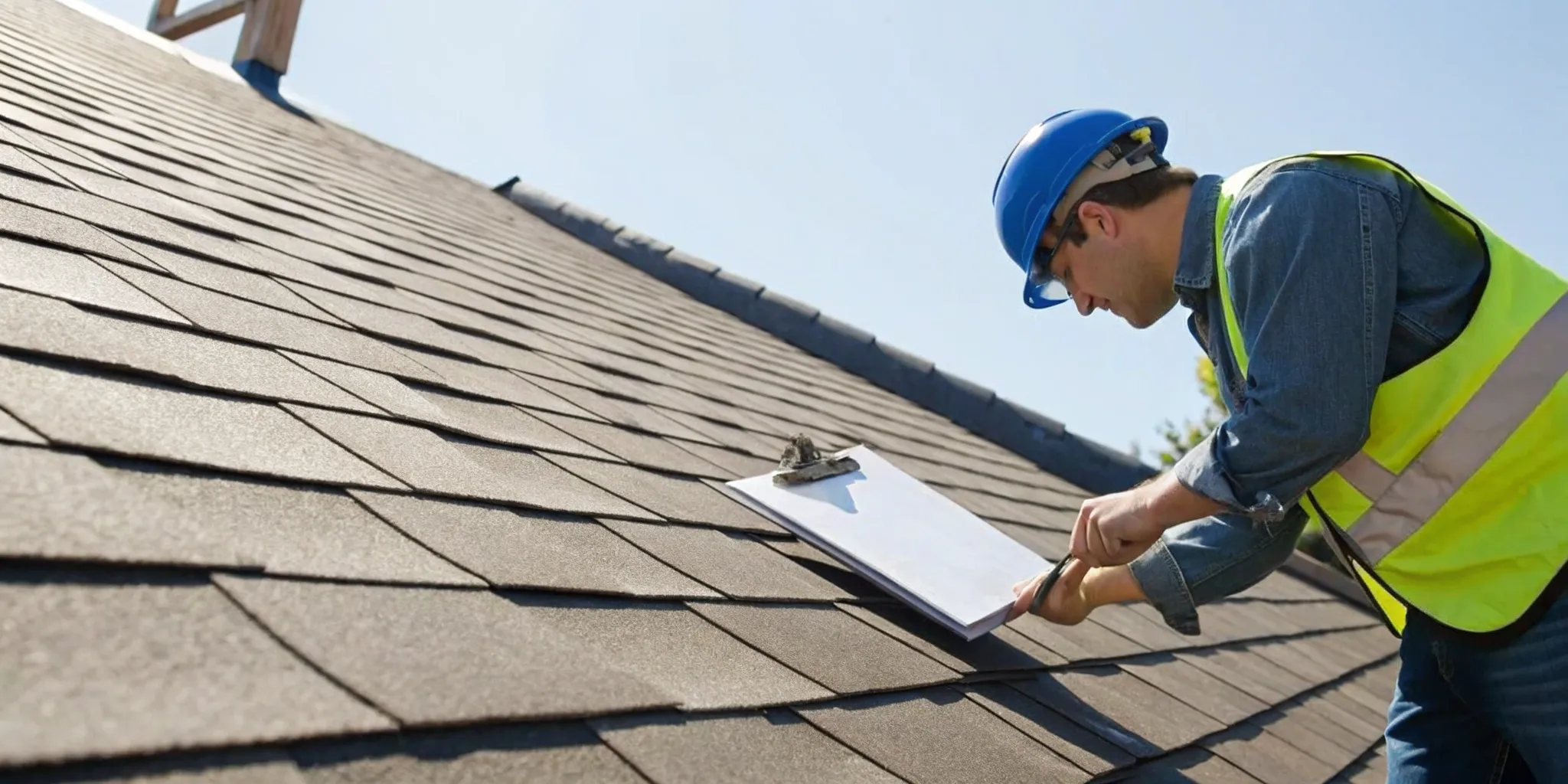
An accredited member walks the roof where it is safe to do so, examines flashing, penetrations, drainage, ventilation and attic conditions, and photographs findings as they go. Where a roof is too steep or too fragile to walk, drone imagery covers what the inspector cannot reach on foot.
The deliverable is a LeakFREE® Roof Inspection Report: findings, located photographs, and a defined scope of work if repairs are needed. That scope is what you hand to contractors so their bids describe the same job.
If the roof does not qualify yet
This happens often and it is rarely dramatic. Cracked sealant at a vent, a lifted flashing leg, a handful of damaged shingles. Across 6,460 member inspections nationwide, more than 66 percent of roofs either qualified for a LeakFREE® certification or could be repaired to qualify. A report that lists what stands in the way is more useful than a pass or fail grade, because it converts an unknown into a punch list.
One detail sellers should plan around: re-inspection is triggered when repairs are performed by anyone other than an NRCIA member. If you intend to end up with a certification, decide early who is doing the work.
Choosing the inspector
- Confirm the accreditation. There is no federal license for roof inspectors, so the credential is the qualification. Ask which NRCIA program the inspector completed and verify it in the directory.
- Confirm insurance. General liability and workers compensation, current, before anyone climbs.
- Ask to see a sample report. You are buying a document. Look at one.
- Watch for pressure. An inspector who arrives with a repair contract has a different job than the one you hired them for.
What it costs and what it returns
Price tracks roof size, slope, complexity, material, access and region, so ask for a written scope rather than comparing headline numbers. Weigh it against the concession a buyer typically asks for when a roof issue surfaces late, which is where the real money in this decision sits.
The return is not a number you can promise a seller. It is a shorter inspection contingency, a narrower set of arguments, and a listing where the biggest question a buyer has is already answered in writing.
Get the roof documented before you list
Book the inspection early enough that repairs, if any, finish before photographs are taken.
Find an accredited NRCIA inspector near you in the member directory.
LeakFREE®, Forensic ROOF®, Mr. RoofCheck®, InspectionPLUS®, Today’s Inspection… Tomorrow’s Protection®, and Got Leaks?® are registered trademarks of Field Gate FLP, used by permission. RoofGUARD™, ForensicGUARD™, DisasterGUARD™, E3GUARD™, and Think Like a Raindrop™ are trademarks of Field Gate FLP.