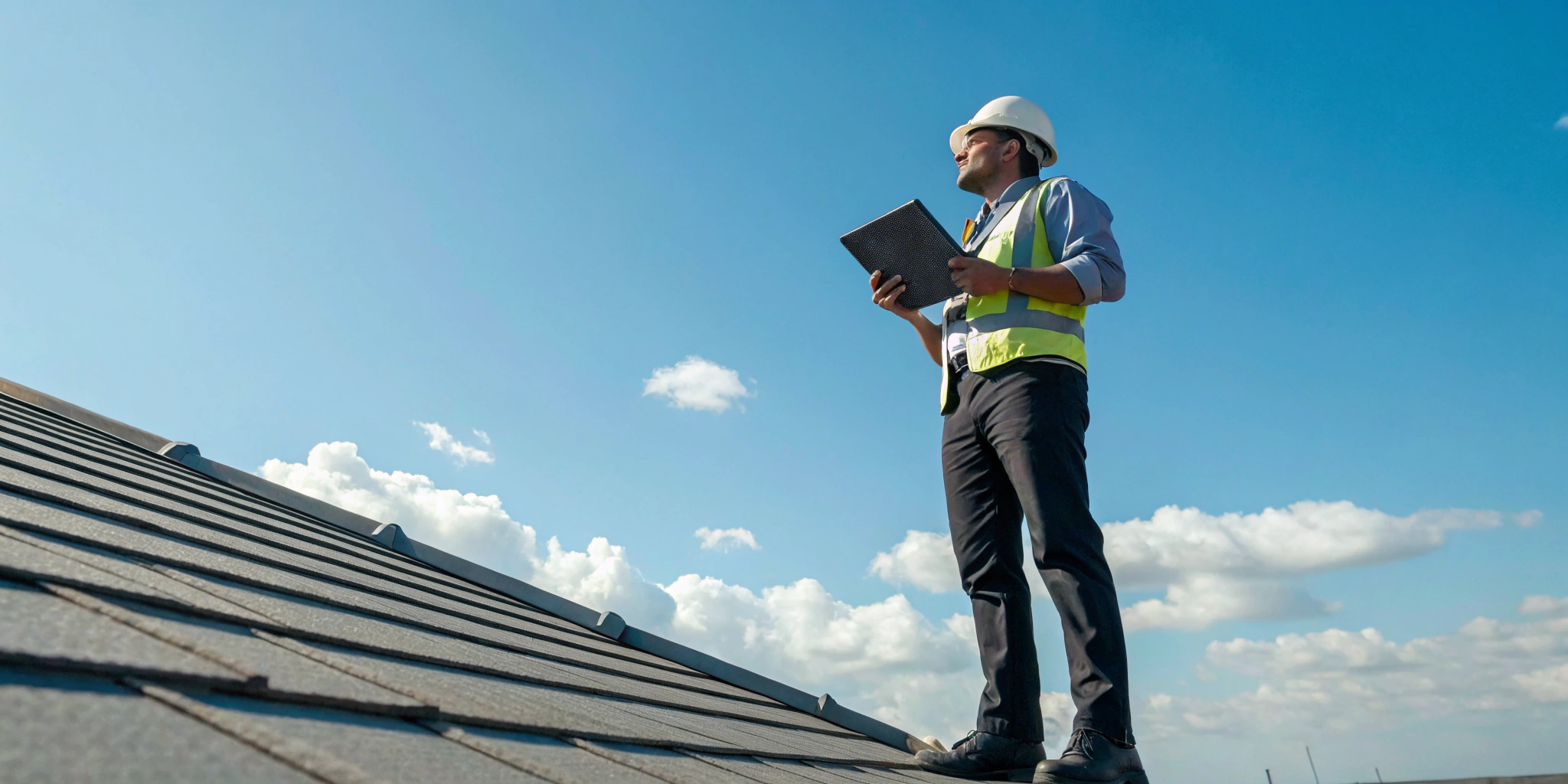
Why hire a roof inspector instead of taking a free estimate
When you hire a roof inspector, you are buying an assessment. When you accept a free estimate, you are receiving a bid. Both have a place, and they answer different questions. A contractor’s assessment is shaped by the work it could lead to. An independent inspector has no repair to sell, which is exactly why adjusters, agents and attorneys give those findings weight.
That distinction becomes expensive after a storm. Roof damage is easy to overstate and easy to miss, and whether a roof ends up repaired or replaced often turns on who documented the condition and how carefully they did it.
What a roof damage report contains
A professional damage report is a dated record of condition, not a quote. Expect:
- Photographs tied to specific locations on the roof, not a general gallery.
- Findings separated from conclusions, so a reader can see what was observed and what was inferred from it.
- Cause where cause can be established: wind, hail, foot traffic, installation defect, ponding, sealant failure or age.
- Condition of flashing, penetrations, valleys, terminations and the attic side of the deck.
- Recommended actions in priority order, with an estimate of remaining service life.
NRCIA members work to a documented multi-zone process. The inspection type is a LeakFREE® Check, covering five zones: interior, attic, exterior, perimeter and rooftop. The deliverable is a LeakFREE® Roof Inspection Report. Because the process and the report format are standardized, another professional can follow the reasoning, which is what makes the document useful to a third party months later.
Which inspection you actually need
Forensic
You have a persistent leak or post-storm damage and you need the cause established. This is the inspection that matters in a claim, a warranty dispute or litigation, because it addresses why the roof failed rather than that it failed. NRCIA ForensicGUARD™ accredited members specialize in this work.
Condition
A routine assessment of overall health and remaining life. Sensible every one to two years, and after any severe weather event.
Installation
An independent check that a newly installed roof was built to manufacturer instructions and code. Flashing, fastener pattern, ventilation and terminations. Catching a defect in year one, while the contractor’s workmanship warranty is live, is far cheaper than finding it in year six.
Due diligence
A transaction inspection. Buyers learn what they are taking on, sellers avoid a late renegotiation, and both sides get a dated document instead of an argument at the closing table.
What an inspection costs, and why it varies
NRCIA does not set member pricing. Fees are set by each accredited member and reflect roof size, slope, complexity, access, material, region and the purpose of the inspection. A single-story asphalt shingle roof and a steep two-story slate roof with limited access are different jobs.
Ask what the fee includes before you book: the zones covered, whether the inspector goes into the attic, whether photographs are included, and how quickly you receive the written report.
How to vet the person you hire
- Credentials. There is no federal license for roof inspectors, so the credential is what tells you the person was trained and tested. Ask what accreditation they hold and who issued it.
- Insurance. Ask for a certificate showing general liability and workers’ compensation before anyone sets a ladder against your house.
- Independence. Ask directly whether they perform or subcontract repairs. Either answer can be fine, as long as you know which you are getting.
- A sample report. Read one before you hire. Vague language on a sample becomes vague language on your claim.
- Experience with your roof type. Tile, slate and low-slope membranes each fail in their own way.
You can confirm accreditation and find members through the NRCIA member directory.
Using the report with your insurer
Submit the full report with the claim rather than a summary. An independent, dated record with photographs gives the adjuster something concrete to evaluate, which tends to reduce the back and forth. It also establishes when the damage was documented, which matters when a carrier questions whether a loss predates the policy or the storm.
Between storms, watch for the signs that justify a call: missing, cracked or lifted shingles, granules collecting in gutters, dented vents or flashing, sagging in the roofline, and water staining on interior ceilings or walls.
Where certification fits
If the roof meets the published criteria, the accredited member who performed the inspection can issue a LeakFREE® Roof Certification, generated and registered through InspectionPLUS®. LeakFREE® is our federally registered trademark. Only NRCIA members can issue a LeakFREE® certification.
Be clear about what that document does. It records that a specific roof, at a specific address, met the published criteria on a specific date, for a term set by the findings, the slope, the materials and the condition, to a maximum of ten years, with the expiration printed as a date. It is not insurance, it is not a service contract, and it does not promise that the roof will never leak. Repairs performed by anyone other than an NRCIA member trigger a re-inspection.
Buyers, lenders and agents value it because it is a dated, standardized statement of condition from a trained and accountable individual. That is a different thing from a coverage product, and treating it as one leads to disappointment.
Find an inspector before you accept a bid
Find an accredited NRCIA inspector near you in the member directory. Get the report, then get the repair quotes.
LeakFREE®, Forensic ROOF®, Mr. RoofCheck®, InspectionPLUS®, Today’s Inspection… Tomorrow’s Protection®, and Got Leaks?® are registered trademarks of Field Gate FLP, used by permission. RoofGUARD™, ForensicGUARD™, DisasterGUARD™, E3GUARD™, and Think Like a Raindrop™ are trademarks of Field Gate FLP.