Roof Inspector Credibility Is Decided in the First Five Minutes
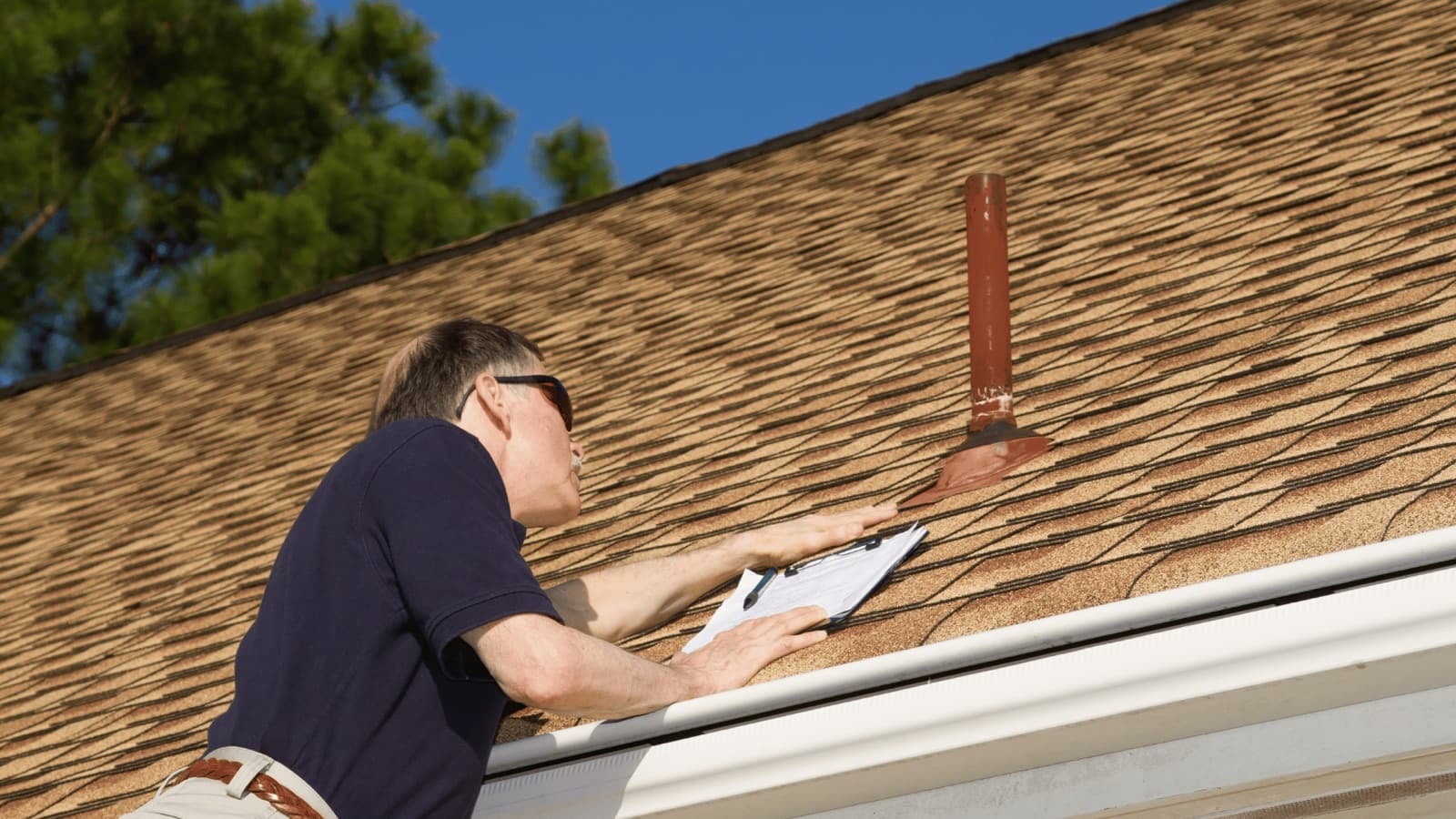
Accreditation gives you a designation. Roof inspector credibility is what the client decides in the first five minutes of the appointment, and it comes from how you arrive, what you say, and how plainly you explain what you found. Most inspectors leave a good deal of that on the table.
Six habits do the bulk of the work. None of them require a new tool.
1. Look and Act the Part
People form snap judgments. Yours is being formed while you are still walking up the driveway.
- Arrive 15 minutes early so you are set up before the appointment time. If traffic or a previous job will make you late, call ahead with an updated arrival time.
- Wear a tucked-in collared shirt with your NRCIA patch visible. Members who need additional patches can email support@nrcia.org.
- Keep your tools organized, in the truck and on the belt. A client reads a tidy kit as a tidy process.
- Treat the property the way you would want yours treated. Shoe covers indoors, doors closed behind you, pets kept in and pests kept out.
- Deliver requested materials and the report promptly. Many members work to a 24 hour target and tell the client that number up front.
2. Introduce Yourself by Your Designation
When you meet or call the client the first time, lead with the credential you earned.
Weak: “Hi, I am Bill, a roofer with Bob’s Roofing Company.”
Better: “Hi, I am Bill, an NRCIA Certified Roof Inspector with Bob’s Roofing Company.”
The second version tells the client that a trained inspector accredited through the RoofGUARD™ program is standing in their driveway, working to a published standard. Smile on the phone as well as at the door. It carries in your voice, and it sets a friendly tone before the technical conversation starts.
3. Match the Inspection Type to the Actual Need
Listen carefully to what the client is trying to accomplish. A pre-sale transaction, a suspected leak, an insurance question and a maintenance check are four different jobs. Identifying the right inspection type up front saves time in the field, keeps the report focused, and prevents the awkward conversation where the deliverable does not answer the client’s question.
Use the inspection type decision tree in the member portal, and share it with your assistant or scheduler so the right questions get asked when the call comes in. NRCIA does not set member pricing or dictate how you run your business. What we set is the standard the inspection follows and the format the report takes.
4. Teach the Roof, and the Work Follows
You are a consultant on a roof system. Explaining what you observed, why it matters and what the client’s options are does more for your reputation than a pitch does. This matters most on third-party inspections where the client has expressly said they do not want roof work. Push a job there and you risk the report’s credibility along with the relationship.
Before you leave the site, walk the client through the findings. Point at the flashing. Show the photo. Two minutes of plain explanation at the truck turns a document they might skim into a document they understand.
5. Communicate in Plain Language
Drop the jargon. If you use a technical term, define it once in ordinary words and move on. A homeowner who understands the finding is a homeowner who acts on it.
It is fine to not know something. Say so, say you will find out, then follow through. Guessing in front of a client is the fastest way to lose the standing you built in the driveway. Answer every question before you leave the site or end the call, let the client finish their thought, and state the next step out loud so there is no ambiguity about what happens next.
A clean close sounds like this: “Thanks for having Bob’s Roofing Company out today. If I have answered everything, I will head back to the office and start your LeakFREE® Roof Inspection Report. You will have it within 24 hours, and I am happy to walk through it with you once you have read it.”
6. Trust the Standard and Your Own Work
You are an NRCIA Certified Roof Inspector. Follow the NRCIA process, document what you find, and the rest tends to settle into place. Volume builds the rest: CRI moves to Senior Roof Inspector at 500 inspections and Master Roof Inspector at 1,000.
It takes a while to find the right words for hard findings. That is normal. The client hired you for your training, your record and your accreditation. All three are real.
Keep Building
Roof inspector credibility compounds. Every clear report and every honest “I will find out” makes the next appointment easier.
Review the RoofGUARD program and continue your accreditation.
LeakFREE®, Forensic ROOF®, Mr. RoofCheck®, InspectionPLUS®, Today’s Inspection… Tomorrow’s Protection®, and Got Leaks?® are registered trademarks of Field Gate FLP, used by permission. RoofGUARD™, ForensicGUARD™, DisasterGUARD™, E3GUARD™, and Think Like a Raindrop™ are trademarks of Field Gate FLP.