What a Roof Certification Report Generator Actually Does
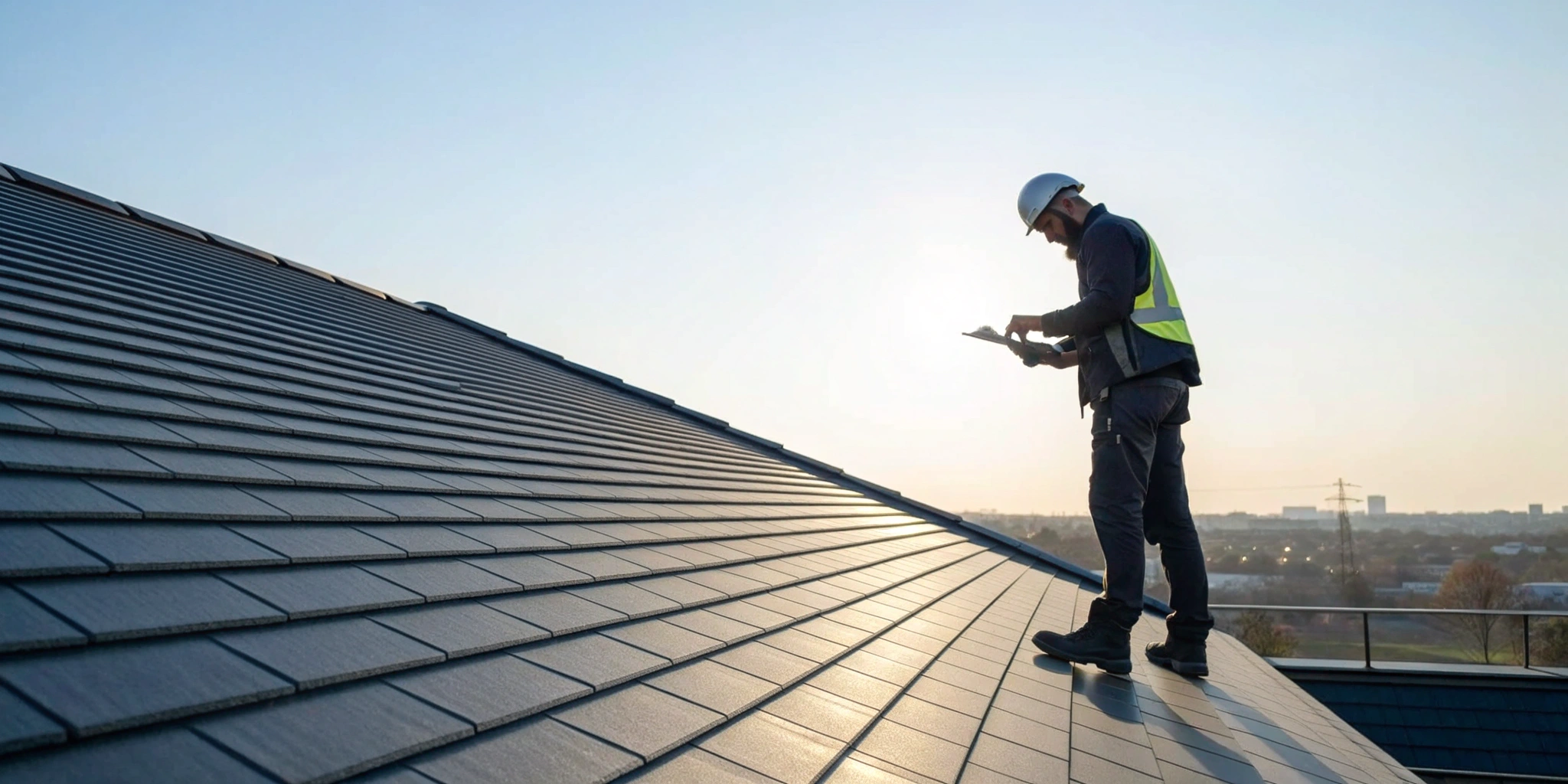
A roof certification report generator is software that captures inspection findings in the field and assembles them into a finished, defensible report. You work from a structured sequence on a tablet or phone. Each zone prompts for observations, each observation accepts photographs, and the platform holds the data together so nothing arrives back at the office as a loose note and an unlabeled image.
That structure is the point. A report built from a consistent framework can be compared against the one you wrote last year on the same building. A report typed up from memory cannot.
Why the Platform Matters for Certification
Documentation and certification are separate things, and the distinction carries weight. A LeakFREE® Roof Inspection Report records what an accredited member observed. A LeakFREE® Roof Certification records that a specific roof, at a specific address, on a specific date, met the published LeakFREE® criteria.
Certifications are generated and registered through InspectionPLUS®. A certificate produced outside that platform is not valid, no matter how professional the document looks. The certification is issued by the accredited individual who performed the inspection, never by a business entity, and its term is set by the findings, the slope, the materials and the condition, to a maximum of ten years. The expiration is printed as a date. It is not insurance and not a service contract.
Only NRCIA members can issue a LeakFREE® certification. LeakFREE® is our federally registered trademark.
What to Look For in a Roof Certification Report Generator
Field usability before office features
Your office is a roof. Evaluate any platform by how it behaves standing on a slope in bright sun with gloves on, not by how the marketing screenshots look on a desktop. Large tap targets, offline capture with later sync, and a logical zone-by-zone flow matter more than a feature list.
Photo handling that survives the walk
Photographs are the backbone of a defensible report. The platform should attach each image to the finding it documents at the moment you take it, support annotation so you can circle the split in the flashing, and preserve resolution. Photos matched to notes hours later are photos an opposing party can question.
Standardized language you control
Comment libraries save real time and, more importantly, they make your reporting consistent across every inspector on your team. Look for libraries you can edit in your own words. Canned text you cannot change will eventually describe something you did not see.
Storage, retrieval and record retention
You will be asked for a three-year-old report. Sometimes by a client, sometimes by an attorney. Cloud storage with real search, exportable files and a clear retention policy is a business protection, not a convenience.
Fit with the rest of your operation
Scheduling, invoicing and customer records already exist somewhere in your business. A platform that connects to them removes duplicate entry. A platform that stands alone adds a second place to keep the same information current.
Where Free Templates Stop Working
A downloadable form is a reasonable place to begin. It enforces a sequence and keeps you from forgetting the attic. Volume is where it breaks down. Static documents mean manual entry, manual photo placement, inconsistent formatting between jobs, and no central archive. Once you are running inspections weekly, the hours spent assembling documents outweigh what the software costs.
Run the arithmetic on your own numbers. Take the time you currently spend per report, multiply by your monthly volume, and compare that against the subscription. Do not take anyone else’s calculation for it, and do not treat a published price list as a benchmark for what you should charge your own clients.
Rolling It Out Without Losing a Month
- Configure branding, your report cover and your comment library before the software touches a live job.
- Run two or three inspections in parallel, digital and your existing method, so you can compare the output honestly.
- Introduce it to one or two inspectors, let them find the friction, then train the rest against what they learned.
- Set a retention and backup rule in writing, and check that it works before you rely on it.
Reporting as a Ladder, Not Paperwork
Consistent reporting is what moves an inspector from a single job to a standing relationship with agents, property managers and insurers who need documentation they can forward without editing. NRCIA trains and accredits members through the RoofGUARD™ program, where an NRCIA Certified Roof Inspector advances to Senior Roof Inspector at 500 inspections and Master Roof Inspector at 1,000. Every one of those inspections is counted from the record. The reporting system is what makes the record hold up.
Start Your Accreditation
Review the RoofGUARD™ program and begin accreditation.
LeakFREE®, Forensic ROOF®, Mr. RoofCheck®, InspectionPLUS®, Today’s Inspection… Tomorrow’s Protection®, and Got Leaks?® are registered trademarks of Field Gate FLP, used by permission. RoofGUARD™, ForensicGUARD™, DisasterGUARD™, E3GUARD™, and Think Like a Raindrop™ are trademarks of Field Gate FLP.