What separates an inspection from a look
A comprehensive roof inspection follows the same sequence on every property, records what is there, and stops short of selling the repair. That discipline is what a client is paying an NRCIA member for. Anyone can point at a cracked tile. The value in your work is the method behind the finding and the document that carries it.
Think Like a Raindrop™. Water finds every weakness, and it does not care which zone you started in. Work all of them.
The five zones of a comprehensive roof inspection
The LeakFREE® Check covers five zones, in sequence.
- Interior. Ceilings, walls and closets under roof planes. Staining tells you a leak has happened, and its shape tells you how long ago.
- Attic. The underside of the deck, the framing, the insulation and the ventilation. This is where a leak reveals its entry point rather than its exit.
- Exterior. Walls, chimneys, siding transitions and anything that sheds onto the roof or takes water off it.
- Perimeter. Eaves, rakes, fascia, gutters, downspouts, discharge points and grade. Water leaving the roof badly causes as much damage as water entering it.
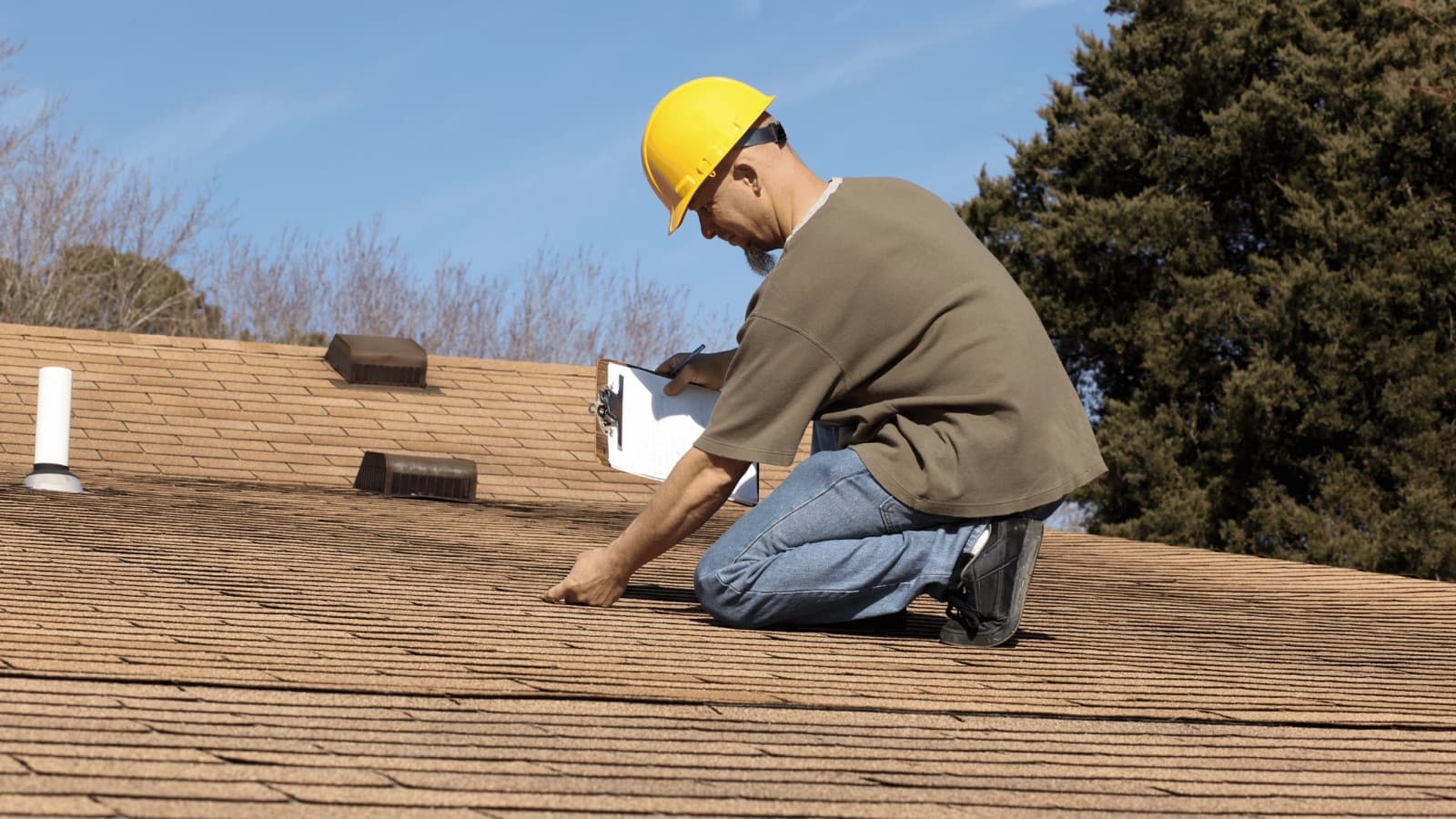
- Rooftop. The field, the flashing, the penetrations, the edge metal and the drainage path across the surface.
Skipping a zone because the client asked about one leak is how an inspection becomes a liability. The report says what you inspected. Inspect what you say.
Where the finding usually lives
Field material fails less often than the details around it. Look hard at:
- Flashing at walls, chimneys, skylights and valleys, including counterflashing and its terminations
- Penetrations for vents, pipes, mechanical curbs and solar attachments, along with the boots and sealants at each
- Drainage across the surface, and any low area holding water long after a rain
- Gutters and downspouts, where a blockage backs water under the edge and into the fascia
- Ventilation and insulation, since condensation in an attic produces staining that looks exactly like a leak
- Wind and hail signatures: lifted tabs, creased shingles, bruising, granule loss concentrated below a slope break
Note tree contact and overhanging limbs. They abrade a surface and drop debris into the drainage path, and both belong in the maintenance section rather than the defect section.
Writing a report that holds up
The report outlives the visit. It may be read by a homebuyer, a listing agent, an adjuster, a board or an attorney, so write it for a reader who was not on the roof.
- Photograph every finding, with a wide shot for location and a close shot for condition.
- Describe what you observed, then state what it indicates. Keep the two separate.
- Sort findings by urgency. Active water intrusion belongs above cosmetic wear.
- Define any technical term the one time you introduce it, then stay consistent.
- Record what you could not access and why. Unwalkable slope, no attic hatch, weather.
Your role ends at the assessment. An inspector who also bids the repair loses the independence that makes the report worth reading, and clients notice.
When the roof qualifies for certification
Where the findings meet the published LeakFREE® criteria, the accredited individual who performed the inspection can issue a LeakFREE® Roof Certification, generated and registered through InspectionPLUS®. A certificate produced outside that platform is not valid, and the certification is issued by the person who inspected, never by a company.
Set the term from the findings, the slope, the materials and the condition, to a maximum of ten years, and print the expiration as a date. Never stretch a term to help a transaction close. If repairs are performed by anyone other than an NRCIA member, the roof requires re-inspection.
Be precise with clients about what the document does. It records that a specific roof, at a specific address, on a specific date, met the criteria. It is not insurance and not a service contract. LeakFREE® is our federally registered trademark. Only NRCIA members can issue a LeakFREE® certification.
Across 6,460 member inspections nationwide, more than 66 percent of roofs either qualified for a certification or could be repaired to qualify. Most inspections end in a workable answer for the client, which is worth saying out loud when a homeowner is bracing for the worst.
Review the RoofGUARD™ program and advance your accreditation: /programs/roofguard/
LeakFREE®, Forensic ROOF®, Mr. RoofCheck®, InspectionPLUS®, Today’s Inspection… Tomorrow’s Protection®, and Got Leaks?® are registered trademarks of Field Gate FLP, used by permission. RoofGUARD™, ForensicGUARD™, DisasterGUARD™, E3GUARD™, and Think Like a Raindrop™ are trademarks of Field Gate FLP.